
 pin it
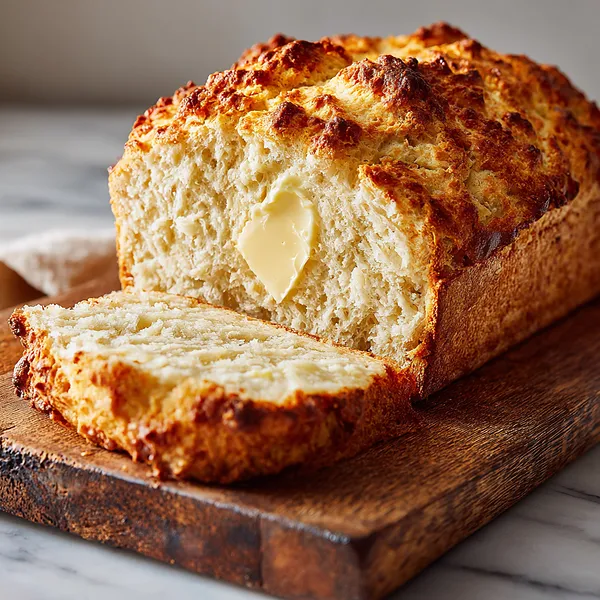
I discovered beer bread during my college years when cooking meant surviving on ramen and creativity. A roommate's grandmother had sent her this recipe, claiming it was foolproof, and I was skeptical because I'd tried making bread before with disastrous, dense results. But this was different – you literally just stir three things together, dump it in a pan, and bake. The first time I made it, I used whatever cheap beer we had around, and the result was this crusty, slightly sweet, incredibly satisfying bread that tasted like I'd actually tried. What makes this recipe special is the science behind it – the carbonation in the beer creates those beautiful air pockets and helps the bread rise, while the alcohol adds flavor that mostly bakes off. The self-rising flour already has the leavening agents mixed in, so you're essentially letting the beer do all the heavy lifting. Over the years, I've experimented with different beers and discovered that each one creates a slightly different flavor – light beers make it mild and versatile, IPAs add a hoppy bite, stouts create a darker, richer loaf. It's the kind of recipe that makes you look like a skilled baker when really you just know how to stir and set a timer.
Why I love this recipe
This beer bread holds a special place in my heart because it completely changed my relationship with baking. Before discovering it, I thought bread-making required special skills, precise timing, and ingredients I didn't have. This recipe proved me wrong in the best way possible. I love that it comes together in minutes – when I'm running late but want to bring something homemade to a dinner party, this is my go-to. There's something deeply satisfying about pulling a gorgeous, crusty loaf from your oven knowing you barely did any work. I love how forgiving it is – I've made it distracted, I've made it half-asleep on weekend mornings, and it always turns out. The versatility amazes me too; I've added herbs, cheese, jalapeños, honey, even bacon, and it always works. But mostly, I love the reactions I get when people taste it and ask for the recipe. The look on their faces when I tell them it's three ingredients and takes an hour is priceless. This bread has made me a hero at potlucks, saved numerous dinner parties, and given me confidence to try more complicated baking projects. It's proof that good food doesn't have to be complicated, and sometimes the simplest recipes become the most cherished.
What You Need From Your Kitchen
- Self-Rising Flour: Use exactly as measured – this special flour contains leavening agents that make the bread rise without yeast
- Sugar: Adds subtle sweetness and helps create the golden crust when baking
- Beer: Choose your favorite variety – the carbonation causes the rise while the flavor infuses throughout the bread
- Butter: Optional for brushing on top before baking to create an extra rich, golden crust
Let's Make These Together
- Prepare Your Workspace
- Start by preheating your oven to 375°F and generously greasing your loaf pan. Having everything ready before you start mixing ensures smooth sailing throughout the process. This bread comes together so quickly that you want your pan ready to go the moment you finish mixing.
- Combine the Dry Ingredients
- Whisk together the self-rising flour and sugar in a large bowl. This simple step ensures the sugar distributes evenly, so you get consistent sweetness throughout your loaf rather than pockets of sugar here and there.
- Add Beer and Mix Gently
- Pour in the beer and stir just until everything comes together into a thick, shaggy batter. Resist the urge to overmix – those lumps are your friends! Overmixing develops too much gluten and creates tough, dense bread instead of the tender crumb you want.
- Transfer and Brush
- Scrape the sticky batter into your prepared pan and smooth the top gently. If you're using melted butter, brush it generously over the surface – this creates that gorgeous golden crust and adds amazing flavor.
- Bake to Perfection
- Bake until the top is deeply golden brown and the bread sounds hollow when tapped, about 50-55 minutes. Let it cool slightly in the pan before turning out. The hardest part is waiting to slice into it while it's still warm!
 pin it
Switch Things Up
I'll never forget the first time I made beer bread – it was a last-minute panic when I realized I had friends coming over and absolutely nothing to serve with dinner. I found this recipe scribbled on an old index card and thought there was no way three ingredients could make real bread. But I had flour, sugar, and a random beer in the fridge, so I gave it a shot. The smell that filled my kitchen as it baked was incredible, and when I pulled that golden loaf out of the oven, I felt like a baking genius. My friends devoured it, asking for the recipe, and I almost felt guilty telling them how easy it was. Now I make it constantly – sometimes with a hoppy IPA for dinner parties, sometimes with a light lager for breakfast toast, and once memorably with a chocolate stout that created the most interesting sweet bread. I've learned that the type of beer really does change the flavor profile, so I keep different varieties on hand just for baking. It's become my signature move when people come over unexpectedly.
Perfect Pairings
Beer bread is incredibly versatile and pairs beautifully with so many dishes. Serve it warm alongside hearty beef stew, chicken noodle soup, or creamy chowders where it can soak up all those delicious broths. It makes an excellent base for sandwiches – try it with roast beef and horseradish, turkey and cranberry, or even grilled cheese. For breakfast or brunch, toast thick slices and top with butter and jam, or use it for French toast. It's also wonderful with cheese boards, where its subtle malty flavor complements sharp cheddars, creamy bries, and tangy blue cheeses. During holiday meals, it can stand in for dinner rolls, and it's sturdy enough to use for stuffing or bread pudding. Don't forget it's perfect for dipping in olive oil and balsamic vinegar as an appetizer!
 pin it
Frequently Asked Questions
- → Can I use expired or flat beer?
While expired beer is fine if it smells okay, flat beer won't give you the same rise because you need the carbonation to help the bread rise. If your beer is flat, the bread will be denser and won't have those nice air pockets.
- → What if I don't have self-rising flour?
You can make your own by combining 3 cups all-purpose flour with 4.5 teaspoons baking powder and 1.5 teaspoons salt. Whisk these together thoroughly before adding the sugar and beer.
- → Can I make this bread alcohol-free?
Unfortunately, the carbonation and flavor from beer are essential to this recipe's chemistry and taste. However, most of the alcohol evaporates during baking, leaving only about 5% of the original alcohol content in the finished bread.
- → Why is my bread dense instead of fluffy?
This usually happens from overmixing the batter or using all-purpose flour instead of self-rising flour. Mix just until combined, leaving some lumps, and make sure your self-rising flour is fresh (check the expiration date, as old leavening agents lose potency).
- → Can I add mix-ins like cheese or herbs?
Absolutely! Fold in 1-1.5 cups of shredded cheese, fresh herbs, jalapeños, bacon bits, or other add-ins after mixing in the beer. Just be careful not to overmix when incorporating them.
- → How do I know when the bread is done?
The top should be deeply golden brown, a toothpick inserted in the center should come out clean or with just a few moist crumbs, and the bread should sound hollow when you tap the top. Internal temperature should reach 200-205°F if you have a thermometer.
Conclusion
This beer bread is proof that incredible homemade bread doesn't have to be complicated. With just three pantry ingredients and about an hour from start to finish, you can have a crusty, flavorful loaf that rivals any artisan bakery. The beauty of this recipe is its flexibility – use light beer for a milder flavor or dark beer for something more robust. It's perfect for beginners who've been intimidated by bread-making and equally loved by experienced bakers who appreciate its simplicity. Serve it warm with butter, alongside soups and stews, or use it for the most amazing sandwiches. This bread proves that sometimes the simplest recipes are the most satisfying.