
 pin it
I first encountered real beef stew at my grandmother's farmhouse during winter break. She'd been making it for decades, and the recipe had been passed down through generations. What struck me immediately was how different it was from anything I'd tried before – the beef was so tender it practically dissolved on my tongue, and the vegetables weren't mushy but perfectly cooked with just enough bite. She taught me that the secret wasn't in fancy ingredients but in patience and good technique. You brown the meat properly to build flavor, you don't rush the simmering, and you let the ingredients speak for themselves. Over the years, I've adapted her recipe slightly, but the soul of it remains the same. This isn't a complicated dish with a hundred ingredients – it's honest, straightforward cooking that relies on time and care. The beef chuck becomes incredibly tender after slow cooking, breaking down into succulent pieces. The potatoes and carrots soak up all that beefy, herby goodness from the broth. Those peas add a pop of sweetness and color that brightens the whole dish. And that gravy? It's pure magic – thick, glossy, and packed with umami. Every spoonful is a reminder that sometimes the simplest recipes are the most satisfying.
Why I love this recipe
What I love most about this beef stew is its incredible versatility and reliability. It's one of those rare recipes that works for any occasion – a casual weeknight dinner, a cozy date night, or even special gatherings with friends. There's something deeply satisfying about making a one-pot meal that fills everyone up and makes them genuinely happy. I love that I can prep it in the morning, let it simmer while I work, and come home to a house that smells like a five-star restaurant. The leftovers are even better than the first serving, which is saying something. I also appreciate how forgiving this recipe is – if you need to add more vegetables or adjust the seasoning, it welcomes changes gracefully. The ingredients are budget-friendly, yet the final result tastes luxurious. It's comfort food that doesn't compromise on flavor. Plus, there's something incredibly rewarding about transforming tough beef chuck into something so tender and delicious. This stew has gotten me through cold winters, stressful weeks, and moments when I just needed good food to make everything better. It's more than a recipe – it's become part of my life.
What You Need From Your Kitchen
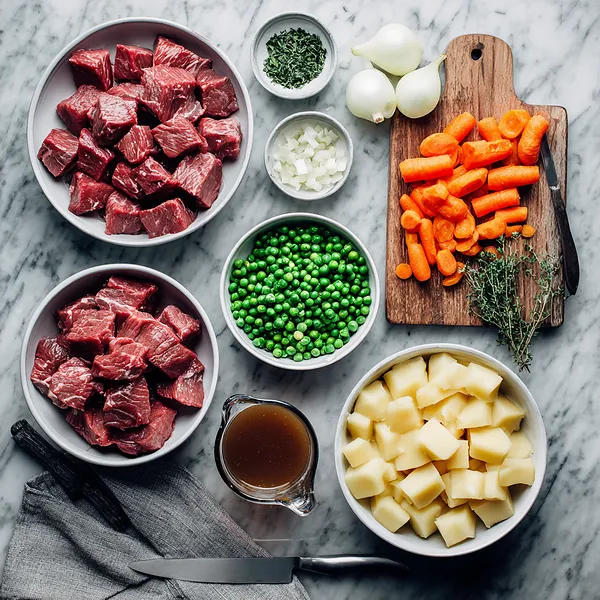
- Beef Chuck: Cut into 1.5-inch cubes, patted dry, and seasoned with salt and pepper before browning
- Potatoes: Peeled and cubed into bite-sized pieces for even cooking
- Carrots: Peeled and sliced into thick rounds to maintain texture during long cooking
- Onion: Diced finely to create aromatic base for the stew
- Beef Broth: Use low-sodium variety to better control salt levels in the final dish
- Tomato Paste: Adds depth, umami, and helps thicken the gravy
- Garlic: Minced fresh for maximum flavor impact
- Bay Leaves: Add earthy, subtle complexity to the broth
- Fresh Herbs: Thyme and parsley provide brightness and freshness to balance the rich flavors
Let's Make These Together
- Prepare and Brown the Beef
- Start by drying your beef cubes thoroughly – this is crucial for achieving a good sear. Season them generously with salt and pepper, then brown them in batches in hot oil. Don't crowd the pan or the meat will steam instead of brown. You want those beautiful caramelized edges that create incredible depth of flavor. Set the browned beef aside while you work on the next step.
- Create the Flavor Base
- Using the same pot with all those delicious browned bits, sauté your onions until they're soft and translucent. Add the garlic and let it bloom for a minute until fragrant. Sprinkle in the flour and stir it around to create a roux – this will thicken your stew and give it that luxurious, coating consistency. The flour needs to cook for a couple of minutes to get rid of the raw flour taste.
- Build and Simmer
- Stir in your tomato paste, then slowly add the beef broth while stirring to create a smooth base. Return your beautiful browned beef to the pot along with any juices. Toss in the bay leaves and thyme, bring everything to a boil, then turn it down to a gentle simmer. Cover the pot and let it work its magic for about 90 minutes. This low and slow cooking is what transforms tough chuck into tender, melt-in-your-mouth pieces.
- Add Vegetables and Finish
- Once your beef is getting tender, add your potatoes and carrots. They'll soak up all that incredible beefy flavor while cooking until perfectly tender. In the last few minutes, stir in your peas for a pop of color and sweetness. Remove the bay leaves and thyme stems, taste, and adjust your seasoning. Finish with fresh parsley and serve in big, generous bowls with plenty of that gorgeous gravy.
 pin it
Switch Things Up
I remember the first time I decided to make beef stew from scratch on a particularly gray Sunday afternoon. I was skeptical that something so simple could be that amazing. As the stew simmered away, my tiny apartment filled with the most incredible aroma. My neighbor actually knocked on my door asking what I was cooking! When I finally tasted it, I couldn't believe how the cheap chuck roast had transformed into these incredibly tender, flavorful pieces. The vegetables had soaked up all that beefy goodness, and the gravy was so rich I could've eaten it with a spoon. Now, I make a huge batch every month and freeze portions for those days when I need instant comfort. My trick? I always add an extra bay leaf and let it simmer longer than the recipe says. The deeper the color of that gravy, the better it tastes. It's become my signature dish, and honestly, nothing beats coming home to a pot of this waiting for you.
Perfect Pairings
This Classic Beef Stew pairs beautifully with crusty French bread or warm dinner rolls for soaking up that incredible gravy. For a heartier meal, serve it over creamy mashed potatoes or buttered egg noodles. A simple side salad with a tangy vinaigrette cuts through the richness perfectly. If you're feeling fancy, pair it with a glass of robust red wine like Cabernet Sauvignon or Merlot. For a complete comfort food experience, serve alongside roasted Brussels sprouts or garlic green beans. And don't forget – this stew actually tastes even better the next day when all the flavors have melded together, making it perfect for meal prep or entertaining.
 pin it
Frequently Asked Questions
- → Can I make this beef stew in a slow cooker?
Absolutely! Brown the beef and sauté the aromatics first on the stovetop as directed, then transfer everything to your slow cooker. Cook on low for 7-8 hours or on high for 4-5 hours. Add the potatoes and carrots during the last 2-3 hours of cooking, and the peas in the final 15 minutes.
- → What's the best cut of beef for stew?
Chuck roast is ideal because it has enough fat and connective tissue to become incredibly tender during slow cooking. Other good options include beef round or brisket. Avoid lean cuts like sirloin as they'll become dry and tough with long cooking times.
- → Why is my beef stew tough?
The beef likely hasn't cooked long enough. Tough cuts like chuck need at least 90 minutes to 2 hours of simmering to break down the connective tissue and become tender. Also make sure you're cooking at a low simmer, not a rolling boil, which can make meat stringy.
- → Can I freeze beef stew?
Yes! Beef stew freezes beautifully for up to 3 months. Let it cool completely, then transfer to freezer-safe containers, leaving some space at the top for expansion. Thaw overnight in the refrigerator and reheat gently on the stovetop, adding a splash of broth if needed.
- → How do I thicken my beef stew?
If your stew is too thin, you have several options: simmer it uncovered for 15-20 minutes to reduce the liquid, mash a few of the cooked potatoes against the side of the pot, or mix 1 tablespoon of cornstarch with 2 tablespoons cold water and stir it in during the last 10 minutes of cooking.
- → Can I add other vegetables to this stew?
Definitely! Celery, parsnips, turnips, and mushrooms are all excellent additions. Add hardy vegetables like parsnips and turnips with the potatoes and carrots. Add quicker-cooking vegetables like mushrooms and celery in the last 20-30 minutes of cooking.
- → Do I have to brown the meat first?
While you technically don't have to, browning the meat is highly recommended. It creates complex flavors through caramelization that you simply can't achieve by just simmering. This step adds depth and richness that makes the difference between good stew and incredible stew.
Conclusion
This Classic Beef Stew is more than just a recipe – it's a warm hug in a bowl. The combination of tender beef, hearty vegetables, and rich gravy creates a meal that satisfies both body and soul. Whether you're feeding a hungry family on a weeknight or preparing Sunday dinner, this stew delivers every single time. The beauty lies in its simplicity and the way the flavors deepen as it simmers. Serve it with crusty bread or over mashed potatoes, and watch it become an instant family favorite that you'll return to again and again.