
 pin it
I first encountered real bouillabaisse during a trip to Marseille, sitting at a harbor-side restaurant watching fishermen unload their morning catch. The bowl that arrived was a work of art – jewel-toned broth studded with the freshest seafood I'd ever tasted. That experience stayed with me, and I became determined to recreate it at home. This recipe is my love letter to that memorable meal. The secret lies in building layers of flavor: starting with a sofrito of fennel, onions, and garlic, then adding the tomatoes and that precious saffron that turns everything golden. The fish stock becomes the foundation, enriched with white wine and aromatics. When you add the seafood, it's like watching magic happen – the mussels open, the shrimp curl and turn pink, the fish becomes tender and flaky. What I love most is how this dish transforms simple ingredients into something extraordinary. It's not just about the seafood; it's about how everything comes together in that aromatic, soul-warming broth that tastes like the sea itself.
Why I love this recipe
There's something deeply satisfying about making bouillabaisse that goes beyond just cooking. It's a dish that demands your attention and rewards you with incredible flavor. I love how it makes me feel connected to centuries of Mediterranean coastal cooking tradition. Every time I make it, I'm reminded that the best dishes often come from fishermen and home cooks who knew how to make something spectacular from the day's catch. The ritual of preparing it – cleaning the mussels, chopping the aromatics, watching the saffron bloom in the hot broth – is almost meditative. And then there's that moment when you ladle it into bowls and see everyone's faces light up. It's impressive enough for special occasions but comforting enough for a cozy night in. I love that it's healthy, packed with protein and omega-3s, yet feels absolutely indulgent. The best part is gathering around the table, tearing into crusty bread, and diving into those bowls together. This is the kind of recipe that creates memories and brings people together over incredible food.
What You Need From Your Kitchen
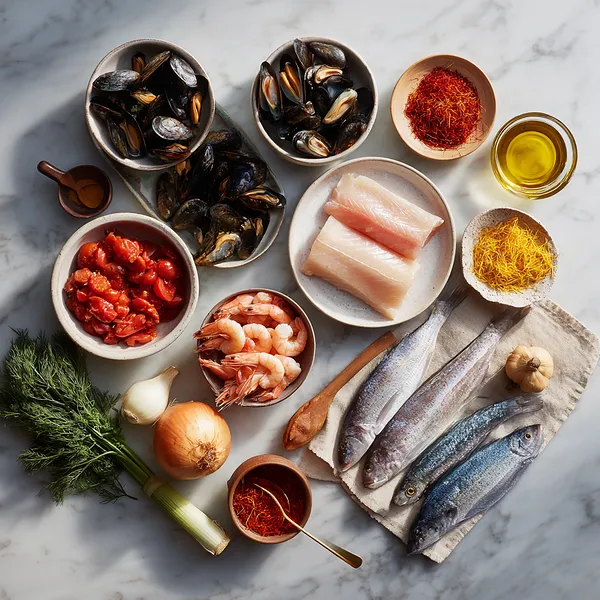
- Fresh Mussels: Clean thoroughly under cold water, removing beards and discarding any that are cracked or won't close when tapped
- Large Shrimp: Peel and devein, leaving tails on for presentation if desired
- Firm White Fish: Cut into 2-inch chunks, removing any bones and skin
- Fennel Bulb: Trim fronds and core, then slice thinly for the aromatic base
- Ripe Tomatoes: Dice into small pieces, or use quality canned tomatoes if fresh aren't available
- Saffron Threads: Crush lightly between fingers to release essential oils before adding
- Dry White Wine: Choose something you'd drink, like Sauvignon Blanc or Pinot Grigio
- Fish Stock: Use homemade or quality store-bought for the richest flavor
Let's Make These Together
- Create Aromatic Foundation
- Begin by heating your olive oil in a large pot and sautéing the onion and fennel until they become soft and sweet. This creates the flavor base that will support all the other ingredients. The fennel adds that subtle anise note that's characteristic of Provençal cooking. Add garlic last so it doesn't burn, and cook just until fragrant.
- Build Rich Broth
- Add your tomatoes and let them cook down slightly, releasing their juices into the aromatic base. Pour in the wine and let it reduce, which concentrates the flavor and cooks off the alcohol. The saffron goes in next – this precious spice is what gives bouillabaisse its signature golden hue and distinctive taste. Add your fish stock and herbs, then let everything simmer together so the flavors marry beautifully.
- Add Seafood Strategically
- Timing is everything when adding seafood. Start with the firmest fish first since it takes longest to cook. The shrimp goes in next – watch as they curl up and turn that beautiful pink color. Finally add the mussels and cover the pot so steam helps them open. This staged approach ensures nothing gets overcooked and rubbery.
- Finish with Fresh Herbs
- Once all your seafood is perfectly cooked, remove from heat and stir in fresh parsley. This brightens up the entire dish and adds a pop of color. Taste your broth and adjust seasoning – it should be well-balanced with the sweetness of seafood, the earthiness of saffron, and bright acidity from tomatoes and wine. Serve immediately while everything is hot and the mussels are still open and inviting.
 pin it
Switch Things Up
The first time I made bouillabaisse, I was intimidated by all the fancy French cooking shows I'd watched. But here's what I discovered: this dish is actually forgiving and adaptable. I started by making the broth base, letting those aromatics build incredible flavor. When the saffron hit the hot broth, my kitchen smelled like a seaside bistro. I learned that the key is adding your seafood in stages – heartier fish first, then shrimp, and mussels last so nothing overcooks. One trick I picked up: toast the saffron threads lightly before adding them to release even more flavor. Don't worry if your mussels don't all open at once – just give them a few extra minutes. I've made this dozens of times now, sometimes swapping in clams or adding scallops. The recipe is forgiving enough that you can use whatever fresh catch you find. My biggest advice? Don't skip the fresh herbs at the end – they brighten everything up beautifully.
Perfect Pairings
Bouillabaisse practically begs for crusty French bread or toasted baguette slices rubbed with garlic – you'll want something to soak up every drop of that precious broth. A traditional accompaniment is rouille, that garlicky saffron mayonnaise that adds richness and heat. For wine, reach for a crisp Provençal white like Cassis or Côtes de Provence rosé that won't overpower the delicate seafood. A simple green salad with lemon vinaigrette makes a refreshing side, or try roasted fennel to echo the flavors in the soup. For dessert, keep it light with lemon sorbet or fresh fruit to cleanse the palate after such a rich, flavorful meal.
 pin it
Frequently Asked Questions
- → Can I use frozen seafood for bouillabaisse?
Yes, you can use frozen seafood, though fresh is always preferred for the best flavor and texture. If using frozen, make sure to thaw it completely in the refrigerator overnight and pat it dry before adding to the soup. Frozen seafood may release more liquid, so you might need to simmer the broth a bit longer to concentrate flavors. The key is not to overcook it – frozen seafood can become rubbery more quickly than fresh.
- → What can I substitute for saffron?
While saffron is traditional and provides unique flavor and color, you can use turmeric for the golden color (though the taste will be different). Use about 1/2 teaspoon of turmeric as a substitute. However, the flavor won't be quite the same – saffron has a distinctive floral, slightly sweet taste that's hard to replicate. If you want authentic bouillabaisse flavor, it's worth investing in real saffron threads.
- → How do I know when mussels are properly cooked?
Mussels are done when their shells open up, which typically takes 4-5 minutes of steaming. Any mussels that remain closed after cooking should be discarded as they may not be safe to eat. Don't overcook them or they'll become tough and rubbery. The meat should be plump and tender when you bite into it.
- → Can I make bouillabaisse ahead of time?
You can prepare the broth base up to 24 hours in advance and refrigerate it. However, the seafood should always be added fresh right before serving to prevent overcooking. Reheat the broth to a simmer, then add your seafood and proceed with the recipe. This actually allows the flavors in the broth to develop even more deeply overnight.
- → What's the best type of fish to use?
Use firm white fish that won't fall apart during cooking. Good options include halibut, cod, sea bass, monkfish, or snapper. Avoid delicate fish like sole or flounder as they'll break apart too easily. Ask your fishmonger what's freshest that day – they can often recommend the best options. You want fish that will hold its shape but still be tender and flaky.
- → Is bouillabaisse supposed to be spicy?
Traditional bouillabaisse is not particularly spicy, though some versions include a touch of cayenne or red pepper flakes for subtle warmth. The heat typically comes from rouille, the spicy garlic mayonnaise served on the side. You can adjust the spice level to your preference – add a pinch of red pepper flakes to the broth or serve with hot sauce on the side for those who want extra kick.
Conclusion
This Classic Bouillabaisse brings the essence of the French Mediterranean coast right to your table. The combination of fresh seafood, aromatic saffron, and perfectly balanced broth creates a dish that's both comforting and elegant. Whether you're hosting a dinner party or treating yourself to something special, this recipe delivers restaurant-quality results at home. The beauty of bouillabaisse is in its flexibility – use whatever fresh seafood looks best at your market. Serve it with crusty bread and watch as everyone falls in love with this iconic French dish.