
 pin it
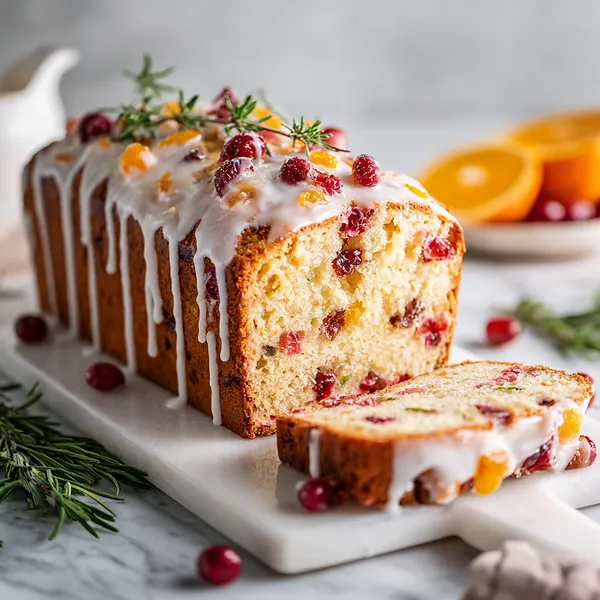
I first encountered a cranberry orange loaf at a weekend farmers market where a small home baker had wrapped individual slices in wax paper tied with twine — the kind of thing that makes you stop walking immediately. The glaze had set into this perfect thin shell over the top, and when I bit through it into that soft crumb the tart cranberry hit me first, then a wave of warm buttery orange that lingered. I bought two more slices on the spot. I spent the following weeks trying to reverse-engineer it at home, testing different fat ratios and citrus quantities until the crumb felt exactly as tender as that market slice. What I discovered was that sour cream was the secret — it adds a subtle tang that plays off the cranberries beautifully while keeping the loaf moist for days. The candied orange peel was my own addition and it changed everything — those chewy golden chunks throughout the slice give you a different texture and a sweeter citrus hit that balances the tart whole cranberries perfectly. Every time I slice into this loaf now and see that jeweled interior I feel a small wave of satisfaction that never quite goes away.
Why I love this recipe
I love this recipe because it manages to feel both effortless and impressive at exactly the same time — the two things I want out of every bake. There is no mixer involved, no complicated technique, no chilling or resting required. You whisk, you fold, you bake. And what comes out of that oven is genuinely stunning. The color contrast alone — golden crumb, red cranberries, orange peel, white glaze — looks like something you would pay twelve dollars for at a fancy bakery. I also love that it keeps exceptionally well. Day two and day three the flavors have deepened and the glaze has fully melted into the top layer creating this slightly sticky, incredibly flavorful crust. It never lasts past day three in my house not because it goes bad but because it disappears.
What You Need From Your Kitchen
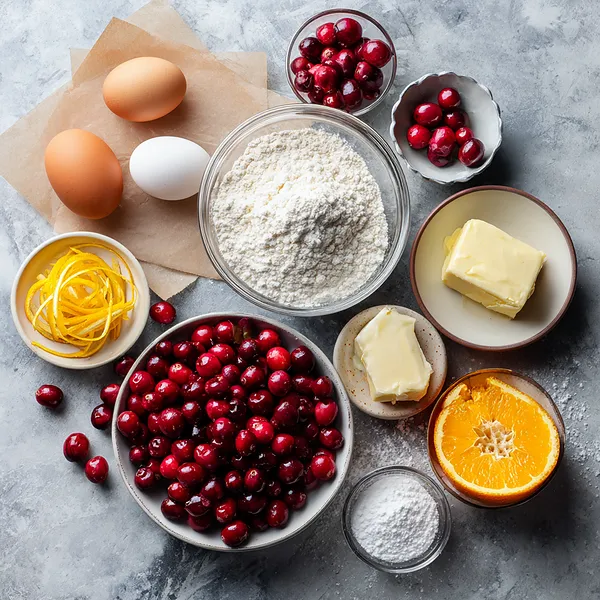
- Fresh Cranberries: Kept whole and folded in at the very end of mixing so they stay intact through baking, creating that signature jeweled burst of tartness in every slice
- Unsalted Butter: Melted and fully cooled before being whisked into the wet ingredients, contributing richness and a tender crumb without weighing the batter down
- Fresh Orange Juice and Zest: Used together in the batter and again in the glaze to layer bright, aromatic citrus flavor throughout every component of the loaf
- Full-Fat Sour Cream: The key to an exceptionally moist, tender crumb — its fat content and acidity work together to produce a soft texture that stays fresh for days
- Candied Orange Peel: Diced into small pieces and folded into the batter alongside the cranberries, adding chewy, sweet citrus pockets that contrast the tart whole cranberries beautifully
- Powdered Sugar: Sifted and whisked with fresh orange juice to create a smooth pourable glaze that sets into a thin, slightly crisp and glossy coating over the cooled loaf
Let's Make These Together
- Preheat oven and line the loaf pan
- Turn your oven on to 350°F right now before you do anything else. Butter your loaf pan well on all sides, then cut a strip of parchment paper and lay it lengthwise in the pan with overhang on both long sides. These parchment handles will save you so much stress when it is time to unmold the finished loaf — trust me on this one.
- Whisk all your dry ingredients together
- Add the flour, sugar, baking powder, baking soda, and salt to your large bowl and whisk for a good 30 seconds until everything looks completely uniform. Make a well in the center. Whisking the dry ingredients thoroughly now means you will not need to overmix once the wet goes in.
- Mix the wet ingredients until smooth
- In your medium bowl, crack in both eggs and whisk them first, then add the cooled melted butter, orange juice, orange zest, sour cream, and vanilla. Whisk until the whole mixture looks creamy and cohesive. Make sure your butter is genuinely cool — if it is even slightly warm it can cook the eggs when they make contact.
- Fold wet into dry with restraint
- Pour your wet bowl into the well of your dry bowl and fold with a wide spatula. Use big, sweeping strokes from the bottom of the bowl up and over. Stop when it is just barely combined — there can absolutely be small flour streaks still visible. The second you do not see any more dry patches of flour pooled at the bottom, stop folding completely.
- Fold in cranberries and candied orange
- Tip in your whole cranberries and the diced candied orange peel and fold with just four or five strokes max. Resist every urge to keep going. Whole cranberries that stay intact through the bake are what make the inside of this loaf look so stunning when you slice it — broken cranberries bleed pink and make the crumb look muddy.
- Bake, cool fully, then glaze and serve
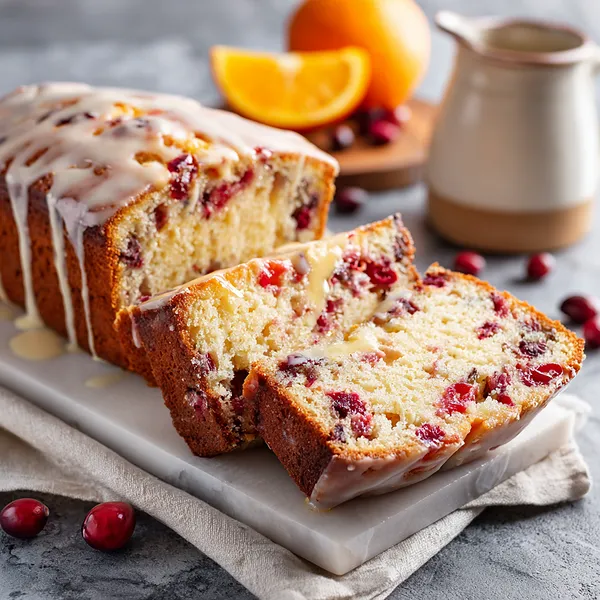
- Spoon the thick batter into your lined pan, smooth the top, and bake for 55-65 minutes testing with a skewer at the center. Cool in the pan 15 minutes then lift out onto a wire rack and cool completely — at least another 40 minutes. Then whisk your powdered sugar glaze, drizzle it generously over the top, let it set 10 minutes, and slice with a serrated knife for clean gorgeous cuts.
 pin it
Switch Things Up
One batch I tried swapping half the sour cream for cream cheese — just because I had some that needed using — and the result was this incredibly dense, almost cheesecake-like center surrounded by that usual tender crumb. It was a total accident that turned into something I now do on purpose when I want the loaf to feel extra indulgent. The orange glaze on top still cuts through the richness perfectly either way.
Perfect Pairings
This Cranberry Orange Loaf is a natural alongside a strong cup of coffee or a pot of chamomile tea with honey. For a brunch spread, pair it with soft scrambled eggs and a bowl of Greek yogurt topped with honey and walnuts — the savory and sweet balance each other beautifully. A glass of freshly squeezed orange juice on the side doubles down on the citrus theme and makes the whole meal feel intentional and seasonal.
 pin it
Frequently Asked Questions
- → Can I use bottled orange juice instead of fresh?
Fresh orange juice is strongly recommended here because it carries a brightness and natural sweetness that bottled juice simply cannot replicate. Bottled juice tends to be more acidic and flat in flavor, which affects both the batter and the glaze noticeably. If fresh oranges are unavailable, use the best quality not-from-concentrate orange juice you can find.
- → Why did my cranberries sink to the bottom of the loaf?
Cranberries sink when the batter is too thin or when they are added too early before the flour has been properly incorporated. Make sure your batter is properly thick before folding in the cranberries. You can also toss the cranberries in a teaspoon of flour before folding them in — the light coating helps them stay suspended in the batter during baking.
- → Can I make this recipe as muffins instead of a loaf?
Absolutely. Divide the batter evenly into a lined 12-cup muffin tin and bake at 375°F for 18 to 22 minutes until a toothpick comes out clean. The higher temperature helps the muffins dome beautifully. Cool completely before drizzling with the same orange glaze.
- → How long does this loaf stay fresh?
Stored in an airtight container at room temperature the loaf stays moist and delicious for up to 3 days. In the refrigerator it keeps well for up to 5 days — bring individual slices to room temperature before eating for the best texture. The flavor genuinely deepens and improves from day one to day two as the citrus and cranberry notes meld together.
- → Can I add nuts to this recipe?
Yes — chopped toasted pecans or walnuts fold in beautifully alongside the cranberries. Use about 1/2 cup and fold them in at the same time as the cranberries. The nuts add a warm, buttery crunch that pairs particularly well with the tart cranberry and sweet orange glaze.
- → My glaze turned out too thick — how do I fix it?
Add fresh orange juice one teaspoon at a time, whisking thoroughly after each addition until the glaze reaches a consistency that falls from the whisk in a slow, steady ribbon. For a thinner glaze that soaks slightly into the top of the loaf rather than sitting on the surface, add a full extra tablespoon and drizzle immediately.
Conclusion
The Cranberry Orange Loaf is one of those rare recipes that earns a place in your permanent rotation after just one bake. It is gorgeous enough to gift, simple enough for a Tuesday morning, and flavorful enough to make everyone at the table reach for a second slice. Tart cranberries, bright citrus, and that sweet glaze are a combination that simply never gets old.