
 pin it
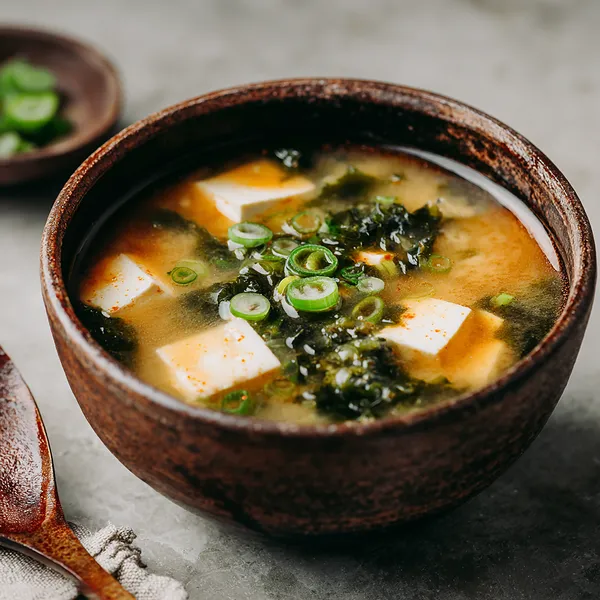
I first encountered authentic miso soup during a trip to a small ramen shop in San Francisco's Japantown. The chef served it in a beautiful ceramic bowl, and I was immediately struck by how different it tasted from the instant packets I'd tried before. The broth was complex, savory, and had this incredible depth of flavor that I couldn't quite place. When I asked the chef about it, he smiled and told me the secret was good quality miso paste and proper dashi stock. That conversation inspired me to recreate it at home, and after many attempts, I finally nailed the perfect balance. This recipe represents that journey – it's simple enough for beginners but delivers that authentic, restaurant-quality taste. The silken tofu adds a delicate protein element, while the wakame seaweed brings a subtle oceanic flavor and interesting texture. Every spoonful is like a warm hug, especially on cold evenings when you need something comforting but light.
Why I love this recipe
What I love most about this miso soup is how it manages to be both incredibly simple and deeply satisfying at the same time. There's something almost meditative about making it – stirring the miso paste into the hot dashi, watching the tofu cubes float to the surface, sprinkling those bright green onions on top. It's become my go-to recipe when I need something quick but nourishing, or when I'm craving that umami-rich flavor that only miso can provide. I also appreciate how healthy it is – packed with probiotics from the fermented miso, protein from the tofu, and minerals from the seaweed. Unlike heavier soups that can leave you feeling sluggish, this one energizes me while still being filling. Plus, it's incredibly forgiving; even if you adjust the proportions slightly, it still tastes amazing. The fact that I can make it in under 30 minutes on a busy weeknight makes it even more special. It's proof that the best recipes don't need to be complicated – sometimes the simplest dishes are the most memorable.
What You Need From Your Kitchen
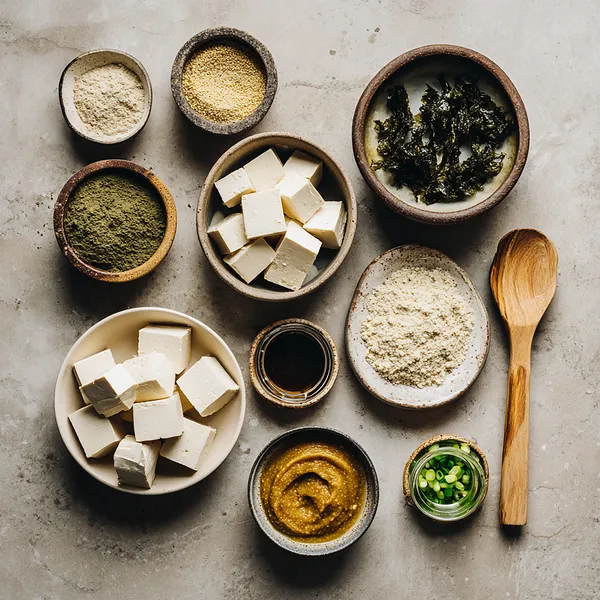
- Dashi Stock: The foundational Japanese soup stock that provides the umami base; can be made from scratch or use instant dashi powder
- White Miso Paste: Fermented soybean paste that gives the soup its signature savory flavor and probiotic benefits; store in refrigerator after opening
- Silken Tofu: Cut into small cubes for a delicate protein addition that absorbs the broth's flavors beautifully
- Dried Wakame Seaweed: Rehydrate in warm water before adding to the soup for a subtle oceanic flavor and mineral boost
- Green Onions: Slice thinly on the diagonal and use as a fresh, colorful garnish that adds a mild onion flavor
- Soy Sauce: Just a touch enhances the overall umami depth without overpowering the miso
Let's Make These Together
- Heat Your Dashi Base
- Start by pouring your dashi stock into a medium pot and bringing it to a gentle simmer over medium heat. This is the foundation of your miso soup, so take your time and don't rush it. While the stock is heating, you can prepare all your other ingredients. Make sure you're using good quality dashi – whether it's homemade or made from dashi powder, the flavor will make all the difference in your final soup.
- Prepare the Wakame
- While your dashi is warming up, place your dried wakame seaweed in a small bowl and cover it with warm water. Let it sit for about five minutes and watch as it magically expands to several times its original size. Once it's fully rehydrated, drain it well and give it a gentle squeeze to remove excess water. The wakame should be tender and ready to add that authentic oceanic flavor to your soup.
- Create the Miso Base
- This is the crucial step that separates good miso soup from great miso soup. Take about half a cup of your hot dashi stock and pour it into a small bowl. Add your miso paste to this small amount of liquid and whisk it thoroughly until it's completely smooth with no lumps whatsoever. This technique prevents the miso from clumping when you add it to the full pot. Once it's perfectly smooth, pour this mixture back into your pot of dashi and stir gently to combine everything evenly.
- Add Tofu and Wakame
- Now comes the fun part – gently add your cubed silken tofu and rehydrated wakame to the soup. Be very gentle when stirring to avoid breaking up those delicate tofu cubes. Let everything heat through for just 2-3 minutes. Remember, you want to keep the temperature below boiling to preserve all those wonderful probiotics in the miso paste and maintain the tofu's silky texture.
- Garnish and Serve
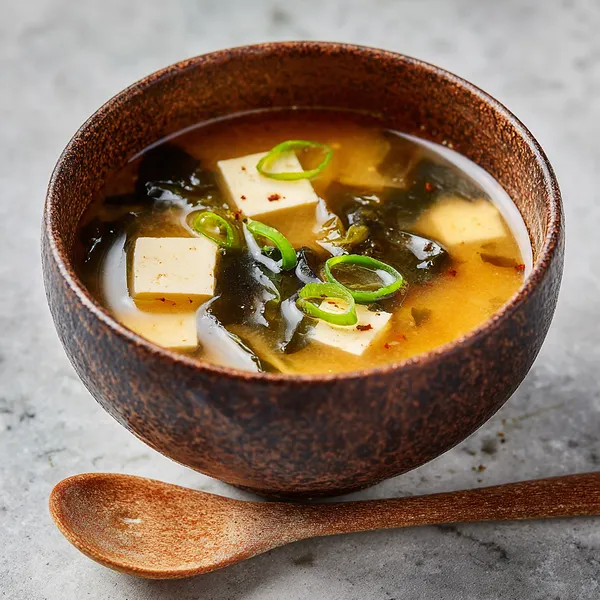
- Ladle your beautiful miso soup into individual serving bowls, making sure each bowl gets a good mix of tofu and wakame. Finish with a generous sprinkle of thinly sliced green onions on top – they add a pop of color and a fresh, sharp flavor that perfectly balances the rich, savory broth. Serve immediately while it's hot and enjoy the fruits of your labor!
 pin it
Switch Things Up
I remember the first time I tried making miso soup at home – I was intimidated by the idea of getting that restaurant-quality flavor. But after one attempt, I realized it was actually one of the easiest soups I'd ever made! Now I make it at least once a week, sometimes adding different vegetables like mushrooms or spinach depending on what I have in the fridge. My favorite variation is adding a soft-boiled egg right before serving – the runny yolk mixes with the broth and creates this incredible richness. I've also experimented with different types of miso paste; the white miso gives a sweeter, milder flavor while red miso is more intense and salty. Sometimes when I'm feeling under the weather, I'll add fresh ginger and a squeeze of lime for an extra immune boost. The beauty of this recipe is its versatility – you can keep it traditional or make it your own.
Perfect Pairings
Miso soup is incredibly versatile and pairs beautifully with so many dishes. Serve it alongside sushi rolls, gyoza dumplings, or teriyaki chicken for a complete Japanese-inspired meal. It also makes an excellent light starter before dishes like grilled salmon, chicken katsu, or vegetable tempura. For a more substantial meal, pair it with a bowl of steamed rice and some pickled vegetables. The soup's umami-rich broth also complements simple grilled fish or roasted vegetables perfectly. If you're having friends over for an Asian fusion dinner, serve this miso soup in small cups as an elegant appetizer before the main course.
 pin it
Frequently Asked Questions
- → Can I use red miso instead of white miso?
Absolutely! Red miso (aka miso) has a stronger, saltier, and more intense flavor compared to white miso (shiro miso), which is milder and slightly sweeter. If using red miso, you might want to start with 2 tablespoons instead of 3 and adjust to taste. Both are authentic and delicious – it's really about personal preference.
- → What is dashi and can I substitute it?
Dashi is a traditional Japanese stock made from kombu seaweed and bonito flakes (dried fish). It provides the essential umami foundation for miso soup. If you can't find dashi, you can use instant dashi powder dissolved in water, or substitute with vegetable broth or chicken stock. However, the flavor will be different from traditional miso soup. For a vegetarian option, make dashi with just kombu seaweed.
- → Why shouldn't I boil the soup after adding miso?
Miso paste contains beneficial probiotics and enzymes that are destroyed by high heat. Boiling the soup after adding miso will also cause the miso to separate and become grainy, affecting both the health benefits and the texture. Always add miso to soup that's been removed from high heat or keep it at a very gentle simmer.
- → Can I add other ingredients to this miso soup?
Definitely! Miso soup is very versatile. Popular additions include sliced mushrooms (shiitake, enoki, or button), baby spinach, bok choy, daikon radish, corn, or even a soft-boiled egg. You can also add cooked noodles (udon or soba) to make it more substantial. Just add heartier vegetables during the simmering stage and delicate greens right before serving.
- → How do I store leftover miso soup?
Miso soup is best enjoyed fresh, but you can store leftovers in an airtight container in the refrigerator for up to 2 days. When reheating, do so gently over low heat and don't let it boil. Note that the tofu may release some water and the wakame may continue to soften during storage. For best results, consider storing the broth separately and adding fresh tofu and wakame when reheating.
- → Is miso soup healthy?
Yes, miso soup is quite healthy! It's low in calories but rich in nutrients. The miso paste provides probiotics that support gut health, while the tofu offers plant-based protein. Wakame seaweed is loaded with minerals like iodine, calcium, and magnesium. The soup is also hydrating and can be a good source of antioxidants. However, it can be high in sodium, so if you're watching your salt intake, look for low-sodium miso paste or reduce the amount used.
Conclusion
This homemade miso soup is the perfect example of how simple ingredients can create something truly special. With just a handful of authentic Japanese staples, you can bring the comforting flavors of a Tokyo soup shop right into your own kitchen. The silky tofu, tender wakame, and savory miso broth come together in perfect harmony, creating a bowl that's both nourishing and deeply satisfying. Whether you're serving it as a starter or enjoying it as a light meal, this miso soup will quickly become a staple in your cooking rotation.