
 pin it
I remember my first encounter with authentic peanut sauce at a small Vietnamese restaurant in the city – the creamy richness, the bright tang of lime, the subtle heat building at the end. I was immediately hooked and spent weeks trying to recreate that magic at home. After experimenting with countless ratios and ingredients, I finally developed this version that captures everything I loved about that original sauce. The beauty of this recipe is its simplicity – it requires no cooking, just whisking together pantry staples. Every time I make it, I'm transported back to that first bite and the realization that restaurant-quality sauces aren't as intimidating as they seem.
Why I love this recipe
I love this peanut sauce because it's incredibly versatile and forgiving, yet consistently delivers bold, complex flavors. It's a recipe that works whether you're cooking for yourself on a Tuesday night or impressing guests at a dinner party. The sauce comes together in minutes but tastes like you spent hours developing it. Beyond the taste, I appreciate how it bridges different cuisines – it's equally at home with Asian noodles, on Mexican tacos, or as a vegetable dip. It's become my secret weapon in the kitchen, the recipe I return to again and again because it never fails to elevate a simple meal.
What You Need From Your Kitchen
- Natural Peanut Butter: The creamy base that provides protein and rich, nutty flavor
- Soy Sauce: Adds depth, umami, and savory complexity to balance the sweetness
- Fresh Lime Juice: Brings bright acidity that lifts all the flavors and prevents the sauce from tasting heavy
- Garlic and Ginger: These aromatics add warmth and layered complexity that makes the sauce taste authentic and restaurant-quality
- Sesame Oil: Contributes nutty depth and authentic Asian flavor that distinguishes this from ordinary peanut sauce
- Honey: Balances acidity and adds subtle sweetness that rounds out all the bold flavors
Let's Make These Together
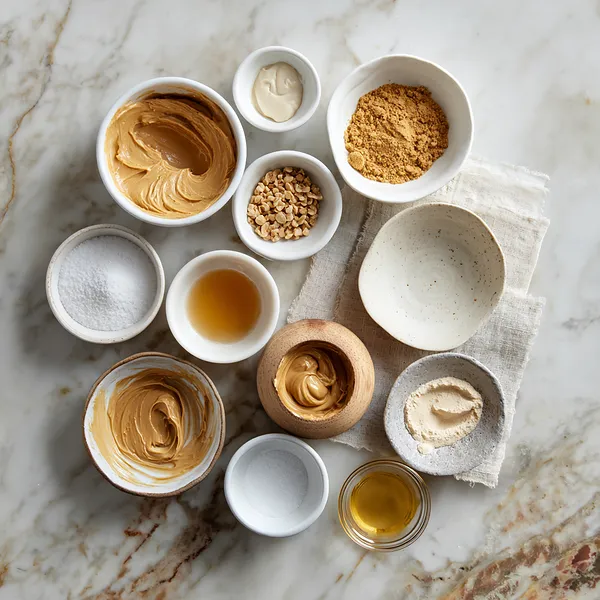
- Gather your pantry staples
- Before you start, make sure you have all your ingredients measured and ready. This recipe comes together so quickly that having everything prepared means you'll be done in minutes. Check that your peanut butter is at room temperature – it whisks much more smoothly when it's not cold and stiff.
- Create your flavor foundation
- Combine peanut butter, soy sauce, and lime juice first. These three ingredients are the backbone of your sauce, and getting them to blend smoothly is the key to a silky, lump-free texture. Whisk patiently for a minute or two until they're well incorporated before adding the remaining ingredients.
- Build layers of flavor
- Add your aromatics – minced garlic, ginger, and honey – and watch how each ingredient transforms the sauce. The garlic and ginger infuse warmth, the honey smooths out any sharp edges, and suddenly you have something that tastes far more complex than the sum of its simple parts.
- Perfect your consistency
- Warm water is your secret weapon for achieving the ideal texture. Add it gradually while whisking, tasting as you go. You want a sauce that's pourable and coats food beautifully without being too thick. Remember, the sauce will thicken slightly as it cools in the refrigerator.
- Taste and customize
- Before you finish, taste your sauce and make any final adjustments. This is where your personal preferences shine – add more heat if you like it spicy, more lime for brightness, or more honey for sweetness. Your sauce should make you excited to use it.
 pin it
Switch Things Up
I first made this sauce on a lazy Sunday afternoon when I was craving Vietnamese spring rolls but didn't want to leave the house. I grabbed whatever I had in my pantry – peanut butter, soy sauce, some limes – and threw it together on a whim. The result was so delicious that I started keeping the ingredients stocked just to make it again and again. Now it's my go-to sauce for impromptu dinner parties and family meals.
Perfect Pairings
This versatile peanut sauce pairs beautifully with fresh spring rolls, grilled chicken satay, roasted vegetables, and rice noodle bowls. Try it drizzled over roasted broccoli and cauliflower for a simple side dish, or use it as a dip for fresh fruit and vegetable platters. It's also wonderful tossed with pasta or ramen for an Asian-inspired twist.
 pin it
Frequently Asked Questions
- → Can I make this sauce ahead of time?
Absolutely! This sauce actually tastes better when made a day or two ahead because the flavors have time to meld and develop. Store it in an airtight container in the refrigerator for up to 2 weeks. You can also freeze it for up to 3 months if you want to make a large batch.
- → What if my sauce is too thick?
Simply add more warm water, one tablespoon at a time, whisking well between additions until you reach your desired consistency. Remember that the sauce will thicken slightly when refrigerated, so it's better to start slightly thinner than you want.
- → Can I use other types of nut butters?
Yes! Almond butter, cashew butter, and sunflower seed butter all work wonderfully. Each will give you a slightly different flavor profile – cashew butter is creamier and milder, almond butter is nuttier, and sunflower seed butter is great for nut allergies. Adjust the seasonings to complement whichever butter you choose.
- → Is this sauce suitable for dietary restrictions?
This recipe is naturally vegetarian and vegan (using honey, though you can substitute agave for a fully vegan version). It's also gluten-free if you use tamari instead of regular soy sauce. Always check ingredient labels to verify the products you're using meet your dietary needs.
- → How should I serve this sauce?
The possibilities are endless! Use it for spring rolls, satay skewers, grilled vegetables, noodle bowls, or as a dip for fresh fruit and vegetables. Drizzle it over roasted broccoli, chicken, or tofu. It's also wonderful as a sandwich spread or salad dressing when thinned slightly with a bit of water.
- → Can I adjust the spice level?
Definitely! For milder sauce, reduce or omit the red pepper flakes. For more heat, increase the red pepper flakes or add fresh chopped chili peppers. You can also add sriracha or chili paste for a different type of heat and flavor.
Conclusion
This homemade peanut sauce is a game-changer for weeknight dinners and entertaining. With just a few simple ingredients and five minutes of work, you'll have a restaurant-quality sauce that transforms ordinary meals into something special. Keep a jar in your fridge and use it throughout the week for endless flavor possibilities.