
 pin it
I first encountered Italian Lemon Pound Cake at a small family-run bakery tucked into a narrow street in a town outside Florence. The woman behind the counter handed me a wrapped slice almost insisting I try it, and the moment I took that first bite I completely understood why Italians treat this cake with such reverence. It was nothing like the heavy pound cakes I had grown up with. This one was lighter, almost delicate, with a crumb so moist it practically melted. The lemon was not just a hint — it was front and center, bright and alive, balanced perfectly by the richness of the butter and eggs. The glaze on top added this lovely sweet-tart finish that made every bite feel complete. I spent the rest of that trip trying to get the recipe from anyone who would share it. Back home I tested batch after batch until I finally landed on the version that brought me right back to that little bakery. Now it is the cake I make when I want to bring a little Italian warmth and sunshine into my kitchen.
Why I love this recipe
What I love most about this Italian Lemon Pound Cake is how it manages to feel both effortless and impressive at the same time. The ingredient list is simple — nothing you would not already have in your pantry — yet the result looks and tastes like something from a serious pastry kitchen. I love that it is the kind of cake that works for every occasion without needing to be dressed up or reinvented. The lemon flavor is so vivid and real, thanks to using both fresh juice and zest, and that is something you simply cannot fake. Every time I bake it the whole house smells incredible for hours. I also love how forgiving this recipe is — it is genuinely hard to mess up, which makes it perfect for baking with family or when you want a reliable showstopper without the stress. The glaze is my favorite part; it sets into this delicate crackly shell on the outside and stays soft underneath. This cake just makes people happy, and that is exactly why I keep coming back to it.
What You Need From Your Kitchen
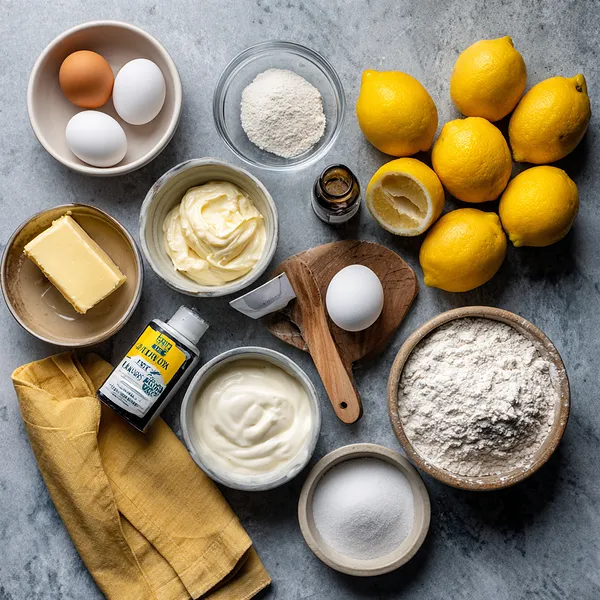
- Unsalted Butter: Softened to room temperature and creamed with sugar to form the rich, tender base of the cake batter.
- Fresh Lemons: Both the juice and zest are used throughout the batter and glaze to deliver a bold, vibrant citrus flavor.
- Eggs: Added one at a time to build structure and richness into the batter while keeping the crumb moist.
- Sour Cream: Folded into the batter alternately with the flour to add moisture, tenderness, and a subtle tang.
- All-Purpose Flour: The structural backbone of the cake, combined with baking powder to give the right lift and crumb.
- Powdered Sugar: Whisked with fresh lemon juice to create the silky, glossy glaze drizzled over the finished cake.
Let's Make These Together
- Cream the butter until fluffy
- Beat the softened butter and sugar together for a full 4-5 minutes until the mixture is visibly pale and airy. This is the foundation of the cake's tender, melt-in-your-mouth crumb — rushing this step will cost you texture, so take your time and let the mixer do its work.
- Bring in the eggs and lemon
- Add the eggs one at a time, giving each one a moment to fully incorporate before adding the next. Then add the vanilla, lemon juice, and all that gorgeous zest. At this point the batter may look a little broken — do not panic, it will come together beautifully once the flour goes in.
- Alternate flour and sour cream
- With the mixer on low, add the dry ingredients and sour cream in alternating additions, starting and ending with flour. The sour cream is your secret weapon here — it keeps everything impossibly moist and adds a barely-there tang that makes the lemon sing louder.
- Bake low and slow to golden perfection
- Pour the batter into your well-greased bundt pan and bake at 325°F. The lower temperature ensures the cake bakes evenly all the way through without the outside over-browning before the center is set. Your kitchen is about to smell incredible.
- Glaze it and let it shine
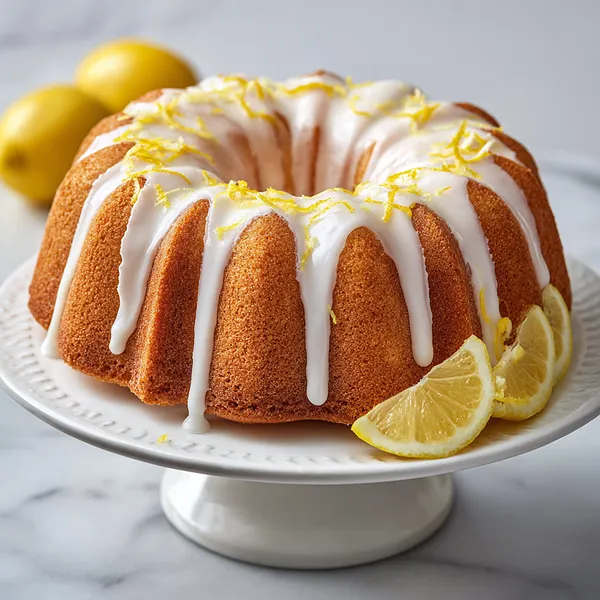
- Once the cake is completely cool, pour over the lemon glaze and let it cascade naturally down the ridges of the bundt. Do not rush this — glazing a warm cake leads to a dull finish. Let it set for a few minutes and add a scatter of fresh zest on top for that final flourish.
 pin it
Switch Things Up
I once swapped the sour cream for full-fat Greek yogurt when I ran out mid-bake, and honestly? The texture came out even a little more tender and tangy. Another time I added a handful of fresh blueberries folded into the batter and the lemon-blueberry combo was absolutely out of this world. You can also make this in a loaf pan if you do not have a bundt — it bakes up beautifully either way. Sometimes I drizzle a little extra glaze and let it pool dramatically at the base for that bakery-window look.
Perfect Pairings
This Italian Lemon Pound Cake pairs wonderfully with a hot cup of Earl Grey tea or a freshly brewed espresso that balances the citrus sweetness. For a more indulgent dessert experience, serve it alongside a scoop of vanilla bean gelato or a dollop of lightly sweetened whipped cream. Fresh summer berries — raspberries, blueberries, or strawberries — placed beside a slice add both color and a complementary tartness that elevates the whole plate.
 pin it
Frequently Asked Questions
- → Can I use a loaf pan instead of a bundt pan?
Absolutely! A standard 9x5 inch loaf pan works well for this batter. Just keep in mind the baking time may differ slightly — start checking for doneness around the 50-minute mark and go from there.
- → Can I make this cake ahead of time?
Yes, and in fact you should — this cake genuinely gets better on day two as the lemon flavor deepens and the crumb settles. Store it covered at room temperature for up to 3 days or wrap tightly and refrigerate for up to 5 days.
- → Can I freeze Italian Lemon Pound Cake?
You can freeze the un-glazed cake very well. Wrap it tightly in plastic wrap and then in foil and freeze for up to 2 months. Thaw at room temperature and add the glaze fresh before serving.
- → What can I substitute for sour cream?
Full-fat Greek yogurt is the best substitute and works almost identically. You can also use cream cheese blended smooth, though it will make the cake slightly denser and richer.
- → Why did my bundt cake stick to the pan?
This is almost always because the pan was not greased thoroughly enough in every groove and ridge. Use softened butter and a pastry brush, then dust with flour, or use a baking spray with flour already included for the most reliable release.
- → How do I get the glaze to look like it does in the photo?
The key is the right consistency — your glaze should be thick enough to coat a spoon but still pourable. Add lemon juice one teaspoon at a time until you hit that sweet spot. Pour it from the center of the cake and let gravity do the dramatic dripping work for you.
Conclusion
This Italian Lemon Pound Cake is pure sunshine in every bite — bright, buttery, and deeply satisfying. Whether you serve it at a gathering or enjoy a quiet slice with your morning coffee, it never fails to impress. The combination of real lemon juice, zest, and that silky glaze makes it utterly unforgettable. Once you make it, it will absolutely become a staple in your home.