
 pin it
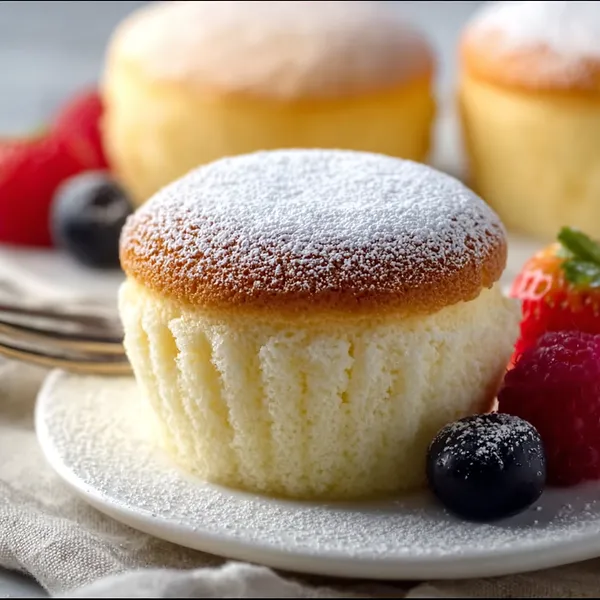
I first encountered Japanese cotton cheesecake in a tiny bakery in Tokyo's Shibuya district, and it changed my entire understanding of what cheesecake could be. Unlike dense New York-style cheesecake, this version was impossibly light – more like a sweet cloud than a traditional dessert. The baker explained that the secret was in the egg whites, whipped to perfection and gently folded into the cream cheese mixture. When I returned home, I became obsessed with recreating that magical texture in cupcake form. After dozens of attempts, I finally cracked the code: room temperature ingredients, a water bath for gentle steam, and the patience to let the egg whites do their work. The result is these gorgeous golden-domed cupcakes that wobble when you touch them and practically dissolve on your tongue. Each bite delivers a subtle tang from the cream cheese, balanced by just enough sweetness to feel like a treat. The texture is what makes them special – somewhere between a soufflé, a sponge cake, and a traditional cheesecake. They're best enjoyed fresh and slightly warm, when they're at their fluffiest.
Why I love this recipe
What I love most about this recipe is how it turns baking into a meditative practice. There's something deeply satisfying about the careful process – warming the cream cheese just right, whipping those egg whites to glossy peaks, folding everything together with a gentle hand. It demands your attention and patience, but rewards you with something truly special. These cupcakes never fail to impress guests, who always ask for the recipe in amazement. I love that they're not overly sweet, making them perfect for any time of day – breakfast, afternoon tea, or dessert. The texture is what keeps me coming back – that signature jiggle and cloud-like crumb that you simply can't get from any other dessert. They also make me feel connected to Japanese baking traditions and the artistry that goes into creating something so delicate. Plus, there's pure joy in watching them rise in the oven, their domes puffing up like little golden pillows. Every batch feels like an accomplishment.
What You Need From Your Kitchen
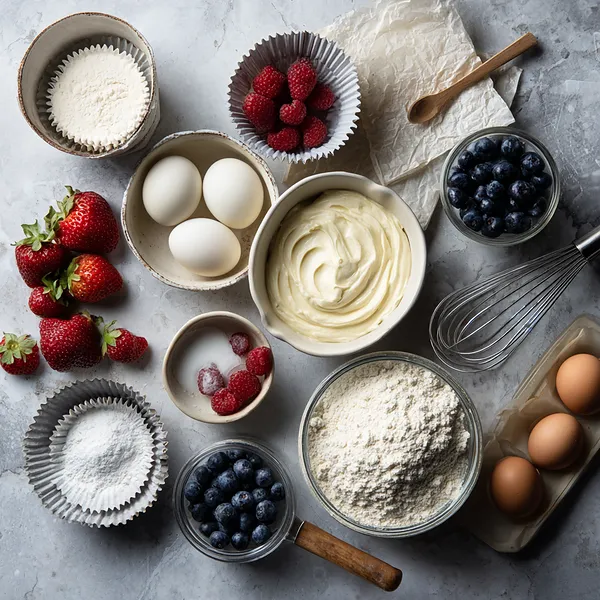
- Cream cheese: Use full-fat brick-style cream cheese, softened to room temperature for smooth mixing
- Eggs: Separate carefully, ensuring no yolk gets into the whites as this prevents proper whipping
- Cake flour: Sift before using to remove lumps and create a lighter texture than all-purpose flour
- Whole milk: Use full-fat milk for richness; low-fat versions won't provide the same creamy texture
- Unsalted butter: Brings richness and helps create the signature tender crumb
- Cream of tartar: Stabilizes the egg whites and helps them hold their volume during folding and baking
Let's Make These Together
- Prepare the base mixture
- Start by melting your cream cheese, butter, and milk together over gentle heat. You want everything silky smooth and fully combined. Once melted, let it cool slightly before whisking in those egg yolks, vanilla, and a portion of your sugar. This creates the rich, creamy foundation of your cupcakes.
- Incorporate the dry ingredients
- Sift your cake flour and cornstarch together to ensure there are no lumps. Gently fold these dry ingredients into your cream cheese base using a light hand. You're not trying to develop gluten here – just barely combine everything until you can't see any more flour streaks.
- Create the meringue
- This is where the magic happens! Whip those egg whites with cream of tartar until foamy, then gradually stream in your remaining sugar. Keep beating until you achieve stiff, glossy peaks that stand up straight when you lift the beaters. This meringue is what gives the cupcakes their signature fluffiness.
- Fold and bake with care
- Fold the meringue into your base in three additions, being incredibly gentle to preserve all those air bubbles you just created. Fill your lined muffin cups about three-quarters full, place them in a water bath, and bake low and slow. The steam from the water bath keeps everything moist and prevents cracking, while the gentle heat allows the cupcakes to rise beautifully without drying out.
 pin it
Switch Things Up
I'll never forget the first time I attempted these cupcakes on a rainy Sunday afternoon. I was skeptical about separating eggs and whipping whites to stiff peaks – it seemed so fussy! But watching those cupcakes rise in the oven, their tops turning that perfect golden-brown, was pure joy. The kitchen filled with the most incredible aroma of butter and vanilla. When I pulled them out, they wobbled like little edible clouds. My first bite was a revelation – so light, so delicate, with just the right amount of sweetness. Now I make them whenever I need a baking project that feels special. The trick I've learned is to not overmix the batter and to bake them in a water bath for extra moisture. Sometimes I add a swirl of matcha powder or lemon zest to the batter for variety.
Perfect Pairings
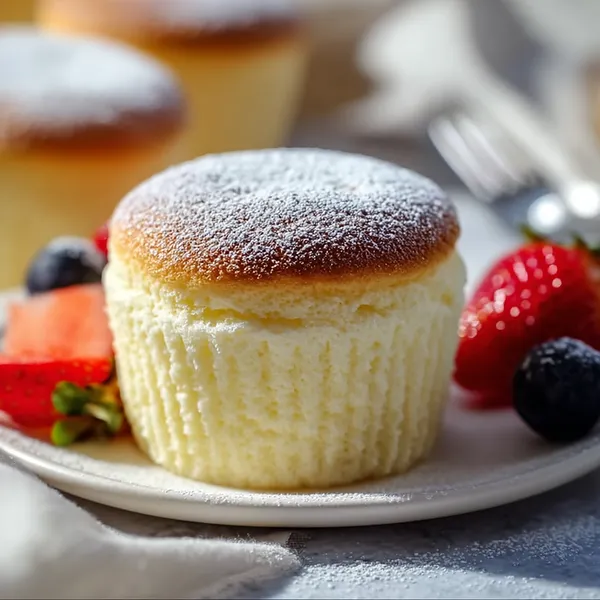
These Japanese cotton cheesecake cupcakes pair beautifully with fresh seasonal berries – strawberries, blueberries, and raspberries add a tart contrast to the delicate sweetness. A cup of hot green tea or a Japanese hojicha latte complements the subtle flavors perfectly. For a more indulgent pairing, try them with a dollop of lightly sweetened whipped cream or a drizzle of honey. They also work wonderfully alongside vanilla ice cream for a temperature contrast that enhances the cupcakes' fluffy texture. If you're serving them for brunch, fresh fruit salad and mimosas complete the experience beautifully.
 pin it
Frequently Asked Questions
- → Why do my Japanese cotton cheesecake cupcakes deflate after baking?
Slight deflation is completely normal and expected with Japanese cotton cheesecake! The cupcakes rise dramatically in the oven due to the air incorporated in the meringue, but they'll naturally settle as they cool. To minimize excessive deflation, make sure you're not opening the oven door during the first 30 minutes of baking, and allow them to cool gradually with the oven door cracked open. Overmixing the batter or using eggs that aren't at room temperature can also cause more dramatic deflation.
- → Can I make these cupcakes without a water bath?
While technically possible, I strongly recommend using the water bath for best results. The steam created by the water bath keeps the cupcakes moist and helps them bake evenly, preventing cracks and ensuring that signature jiggly texture. Without it, you risk dry cupcakes with cracked tops. If you absolutely must skip it, reduce the oven temperature by 25°F and watch them carefully to prevent overbaking.
- → How do I know when the cupcakes are done?
Your cupcakes are perfectly done when the tops are golden brown and they have a slight jiggle in the center when you gently shake the pan. They should be set around the edges but still wobbly in the middle – they'll continue to set as they cool. An instant-read thermometer inserted in the center should read around 160-165°F. Don't overbake or they'll lose that delicate, cloud-like texture.
- → Why did my egg whites not whip to stiff peaks?
The most common culprit is fat contamination. Even a tiny bit of egg yolk or grease in your bowl or on your beaters will prevent egg whites from whipping properly. Make sure your bowl and beaters are completely clean and dry before starting. Also, ensure your eggs are at room temperature – cold egg whites take much longer to whip and won't achieve the same volume. Adding cream of tartar helps stabilize the whites and makes them easier to whip.
- → Can I add flavors like matcha or chocolate to this recipe?
Absolutely! For matcha, add 1-2 tablespoons of high-quality matcha powder sifted with the flour. For chocolate, fold in 2-3 tablespoons of cocoa powder with the dry ingredients. You can also add citrus zest (lemon or orange), a teaspoon of instant espresso powder, or even a swirl of fruit puree. Just be careful not to add too much liquid or heavy ingredients that will weigh down the batter.
- → How should I store these cupcakes?
Store your Japanese cotton cheesecake cupcakes in an airtight container in the refrigerator for up to 3 days. They'll become slightly denser when chilled, which some people actually prefer. You can enjoy them cold straight from the fridge, or let them come to room temperature for about 20 minutes before serving. For the fluffiest texture, they're best enjoyed within a few hours of baking. These cupcakes don't freeze particularly well due to their delicate texture.
Conclusion
These Fluffy Japanese Cotton Cheesecake Cupcakes are a delightful fusion of texture and flavor that will transport your taste buds straight to Tokyo. The secret to their signature jiggle lies in the careful folding of whipped egg whites into the cream cheese base, creating an airy soufflé-like texture that's utterly irresistible. Perfect for special occasions or when you want to impress guests with something truly unique, these cupcakes prove that patience and technique create magic in the kitchen. Serve them fresh from the oven for maximum fluffiness, or enjoy them chilled for a denser, creamier experience.