
 pin it
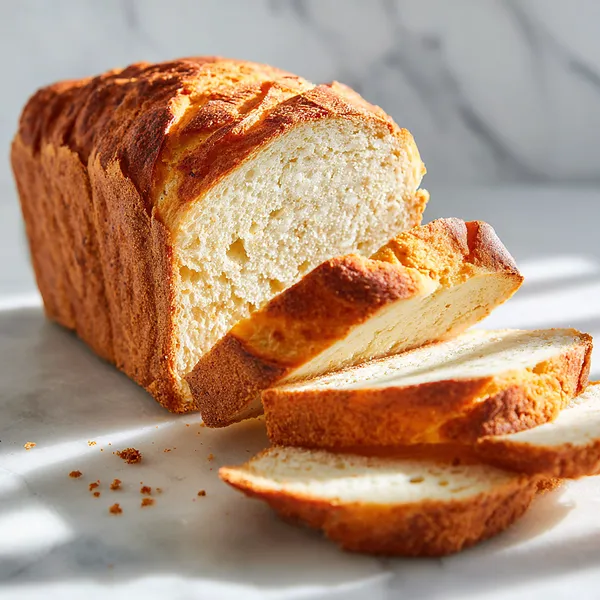
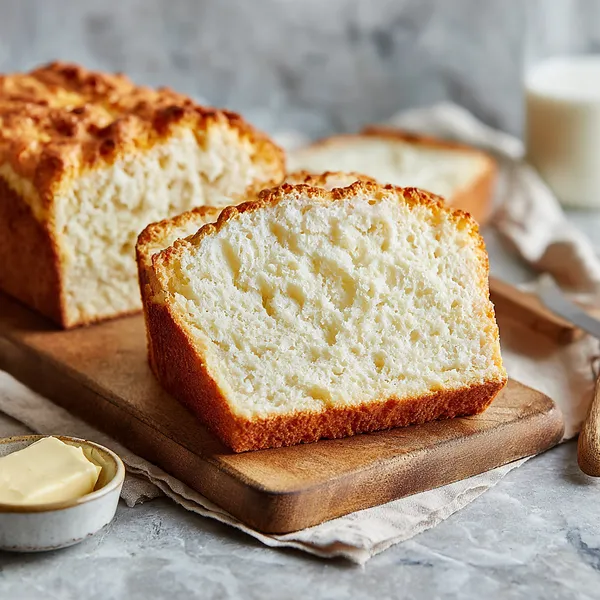
I first discovered the magic of adding collagen to keto bread quite by accident when I was experimenting in my kitchen, trying to find a way to boost the protein content of my baked goods. Traditional keto bread recipes often rely heavily on eggs and cheese, which can create dense, heavy loaves that sit like bricks in your stomach. I wanted something lighter, fluffier, and more bread-like in texture. The collagen powder was the missing piece of the puzzle – it provides structure and protein without adding the eggy flavor or dense texture that plagued my earlier attempts. This bread bakes up with a beautiful golden crust that actually crisps in the oven, something I thought was impossible with keto baking. The interior is tender and has a genuine crumb structure that you can actually see when you slice it. What I love most is how it toasts – it gets crispy on the outside while staying soft inside, just like regular bread. The almond flour base keeps the carbs low while providing a subtle nutty flavor that complements both sweet and savory toppings. Each slice contains about 9 grams of protein, making it not just a bread substitute but a nutritious addition to any meal. I've made this recipe countless times, tweaking the ratios until it was absolutely perfect. Now it's the only keto bread recipe I use, and I've shared it with dozens of friends who've all had the same amazed reaction when they taste it for the first time.
Why I love this recipe
This keto collagen protein bread holds a special place in my heart because it represents everything I believe good keto cooking should be – nutritious, delicious, and indistinguishable from its high-carb counterpart. I love how it's genuinely easy to make; you don't need any special equipment or hard-to-find ingredients, yet the results are consistently impressive. The collagen powder not only boosts the protein content but also supports skin, hair, and joint health, making this bread a functional food that goes beyond just satisfying cravings. I appreciate that it's versatile enough to work for any meal – breakfast toast, lunch sandwiches, dinner rolls, or even French toast on special occasions. The texture is what really wins me over every single time; it's soft and tender when fresh, toasts beautifully, and never has that weird aftertaste that some keto baked goods carry. I love that I can meal prep by baking a loaf on Sunday and have fresh, protein-packed bread throughout the week. It's also incredibly forgiving – even if you overbake it slightly, it still tastes great, especially when toasted. Most importantly, this recipe has helped me and countless others stick to a keto lifestyle without feeling deprived. Bread is such a fundamental comfort food, and having a high-quality, healthy version means I never feel like I'm missing out. That psychological aspect of not feeling restricted is just as important as the nutritional benefits, and this bread delivers on both fronts beautifully.
What You Need From Your Kitchen
- Almond flour: Provides the low-carb base and nutty flavor; use blanched almond flour for the finest texture
- Collagen powder: Adds protein and creates structure; use unflavored, grass-fed collagen for best results
- Eggs: Bind the ingredients together and provide lift; bring to room temperature for better incorporation
- Butter: Adds richness and moisture; can substitute with ghee or coconut oil if dairy-free
- Baking powder: Provides leavening for a fluffy texture; make sure it's fresh and aluminum-free
- Apple cider vinegar: Activates the baking powder and adds subtle tang; helps create a lighter crumb
Let's Make These Together
- Prepare Your Workspace
- Start by preheating your oven to 350°F and preparing your loaf pan with parchment paper. This step is crucial because it prevents sticking and makes removal so much easier. I always leave a bit of overhang on the sides so I can lift the bread out cleanly once it's done. While the oven heats, gather all your ingredients and measuring tools – having everything ready makes the process smooth and enjoyable.
- Create the Dry Mixture
- Whisk together your almond flour, collagen powder, baking powder, and salt in a large bowl. Take your time here to break up any clumps, especially in the collagen powder. I like to use a fine-mesh sifter for the collagen if I notice any stubborn lumps. This ensures every slice of bread has an even texture and consistent protein distribution. The dry mixture should look uniform and slightly fluffy when properly combined.
- Blend the Wet Ingredients
- Beat your eggs in a separate bowl until they're frothy and have increased in volume slightly – this takes about 30 seconds of vigorous whisking. Then add your melted butter and apple cider vinegar, continuing to whisk until everything is fully incorporated. The butter should be melted but not hot, or it might cook the eggs. The apple cider vinegar might seem like an odd addition, but trust me, it reacts with the baking powder to create that beautiful rise and fluffy texture we're after.
- Bring It All Together
- Pour your wet mixture into the dry ingredients and fold gently with a spatula. Don't overmix – you want to combine everything just until you don't see any more dry flour. Some small lumps are perfectly fine and will bake out. Overmixing can make the bread tough and dense, which is exactly what we're trying to avoid. The batter should be thick but still pourable, clinging to your spatula when you lift it.
- Bake to Golden Perfection
- Transfer your batter to the prepared pan and smooth the top with your spatula. Give the pan a few gentle taps on the counter to release any trapped air bubbles. Slide it into your preheated oven and set a timer for 45 minutes. The bread is done when the top is beautifully golden brown and a toothpick inserted in the center comes out clean. If you have a thermometer, the internal temperature should read 200°F. The whole house will smell incredible!
- Cool and Slice
- This is the hardest part – waiting! Let the bread cool in the pan for about 10 minutes, then use the parchment overhang to lift it onto a wire rack. Allow it to cool completely before slicing, usually about 30 minutes. I know it's tempting to cut into it right away, but warm bread tends to be gummy and falls apart easily. Once cooled, use a sharp serrated knife and gentle sawing motion to get perfect slices every time.
 pin it
Switch Things Up
I'll never forget the first time I made this bread on a lazy Sunday morning when I was desperately craving toast but committed to staying keto. I was skeptical – honestly, I'd tried so many disappointing keto bread recipes that left me with dense, eggy bricks. But when I pulled this loaf from the oven and saw that gorgeous golden crust, I knew something was different. The smell alone had me excited. I couldn't wait for it to cool completely, so I sliced into it while still warm (I know, I know, patience isn't my virtue). That first bite with butter melting into the fluffy crumb was a revelation. My non-keto family actually fought over the slices! Now it's my weekend ritual – I bake a loaf every Saturday, and it's become such a comforting routine. Sometimes I add everything bagel seasoning on top before baking, other times I keep it simple. The collagen powder was a game-changer discovery; it adds structure without that overwhelming egg taste that plagues so many keto breads. This recipe proved that keto doesn't mean sacrificing the foods that bring us comfort.
Perfect Pairings
This keto collagen protein bread is incredibly versatile and pairs beautifully with both sweet and savory accompaniments. For breakfast, toast a slice and top it with mashed avocado, everything bagel seasoning, and a poached egg for the ultimate keto breakfast. It's also phenomenal with sugar-free jam and cream cheese for a more traditional morning treat. For lunch, use it to make a classic BLT or turkey club sandwich – the sturdy texture holds up perfectly to fillings without getting soggy. I love pairing it with keto-friendly soups like creamy broccoli cheddar or chicken vegetable for a comforting meal. For an appetizer spread, serve toasted slices alongside a charcuterie board with aged cheeses, prosciutto, and olives. The subtle flavor of this bread makes it the perfect canvas for bold toppings like garlic butter, herb-infused olive oil, or even as a base for mini pizzas topped with marinara and mozzarella.
 pin it
Frequently Asked Questions
- → Can I substitute the collagen powder with something else?
While collagen powder is the star ingredient that gives this bread its unique protein boost and texture, you can substitute it with unflavored whey protein isolate or egg white protein powder in equal amounts. However, the texture may be slightly different – collagen provides a specific structure that's hard to replicate. If you don't have any protein powder, you can use an additional 1/2 cup of almond flour, though the bread will be less protein-rich and slightly denser.
- → Why is my keto bread dense and not fluffy?
Dense keto bread usually results from a few common issues: overmixing the batter (which deflates the air bubbles), using old or expired baking powder, or not allowing the eggs to come to room temperature before mixing. Make sure you're measuring your almond flour correctly – spoon it into the measuring cup and level off rather than scooping, which can compact it. Also, ensure your oven temperature is accurate; an oven that's too cool won't provide enough initial lift.
- → How should I store this bread and how long does it last?
Store your keto collagen protein bread in an airtight container at room temperature for up to 3 days, or in the refrigerator for up to a week. For longer storage, slice the bread and freeze individual slices separated by parchment paper in a freezer bag for up to 3 months. To serve frozen slices, simply pop them directly into the toaster – no need to thaw first! This makes it incredibly convenient for quick breakfasts and sandwiches.
- → Can I make this bread dairy-free?
Absolutely! Simply substitute the butter with an equal amount of melted coconut oil or ghee (if you can tolerate it). Coconut oil will give the bread a subtle coconut flavor, while ghee maintains a more neutral, buttery taste. The texture will be virtually identical, and the bread will still be deliciously fluffy and protein-packed.
- → My bread cracked on top during baking – is this normal?
Yes, a crack down the center or across the top is completely normal and actually a sign of good oven spring! This happens when the bread rises in the oven, and the top sets before the interior finishes expanding. It's purely cosmetic and doesn't affect the taste or texture at all. If you prefer a smoother top, you can make a shallow lengthwise cut down the center of the batter before baking to control where the crack forms.
- → What's the net carb count per slice?
Each slice of this keto collagen protein bread contains approximately 4 grams of total carbs and about 2 grams of fiber, giving you roughly 2 grams of net carbs per slice. This makes it perfect for strict keto diets. The exact count can vary slightly depending on the specific brands of almond flour and collagen powder you use, so always check your ingredient labels if you're tracking macros precisely.
Conclusion
This Keto Collagen Protein Bread has become my go-to recipe for anyone transitioning to a low-carb lifestyle who misses real bread. The combination of almond flour and collagen powder creates a texture that's remarkably close to traditional wheat bread, while the protein content keeps you satisfied for hours. Whether you're toasting it for breakfast, making sandwiches for lunch, or serving it alongside dinner, this versatile loaf fits seamlessly into your keto meal plan. Store it in an airtight container for up to 5 days, or slice and freeze for longer storage. Once you master this recipe, you'll never feel deprived on your keto journey again.