
 pin it
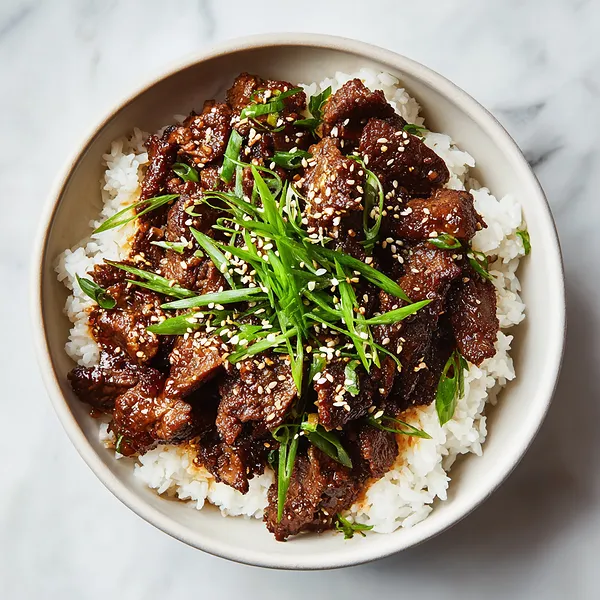
I first discovered bulgogi bowls at a tiny Korean restaurant tucked away in a strip mall, where the owner made everything from scratch. The flavors were so bold yet balanced – sweet, savory, garlicky, with that distinctive nutty aroma of sesame oil. I became obsessed with recreating it at home, and after several attempts, I landed on this version using ground beef instead of thinly sliced steak. It's just as delicious but so much easier to prepare on a busy weeknight. The key is getting that perfect caramelization on the beef while keeping it tender and juicy. When you cook the beef with the soy sauce mixture, it creates this incredible glaze that coats every grain of rice. The fresh vegetables add crunch and brightness, while the creamy avocado provides richness. Every bite is a perfect balance of textures and flavors – the tender beef, crispy vegetables, fluffy rice, and those toasted sesame seeds on top. It's the kind of meal that feels special enough for guests but easy enough for a Tuesday night.
Why I love this recipe
What I love most about this recipe is how it brings together bold, authentic Korean flavors in a format that's accessible and quick to make. Unlike traditional bulgogi that requires marinating and grilling thin slices of beef, this version uses ground beef and comes together in one pan in about 20 minutes. It's proof that you don't need hours of prep time or hard-to-find ingredients to create something truly delicious. The flavors are complex and layered – the sweetness from the brown sugar, the saltiness from the soy sauce, the warmth from the ginger and garlic, all tied together with that gorgeous sesame oil. I also love how customizable these bowls are. You can meal prep the components and let everyone build their own bowl at dinner, which makes it perfect for families with picky eaters or different dietary needs. The recipe is incredibly forgiving too – if you want it sweeter, add more sugar; if you want it spicier, add some gochugaru or sriracha. And honestly, these bowls look so beautiful and colorful that they make me excited to eat healthy. It's that rare recipe that checks all the boxes: quick, delicious, nutritious, and gorgeous.
What You Need From Your Kitchen
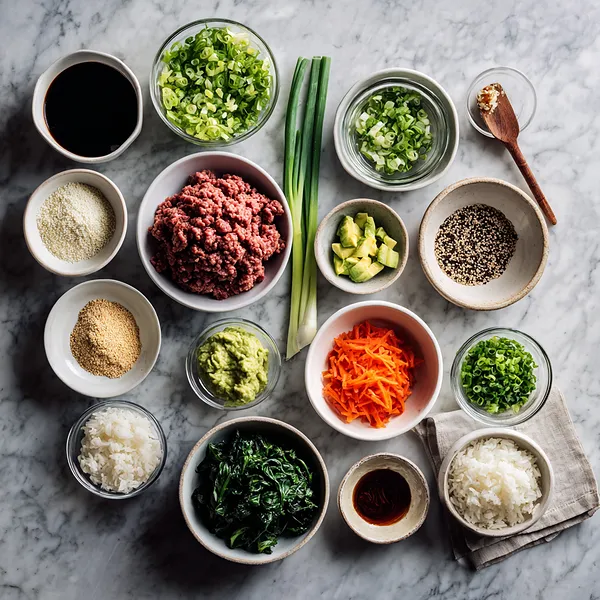
- Ground Beef: Brown until cooked through and drain excess fat before adding seasonings
- Soy Sauce: Combine with sesame oil and brown sugar to create the signature bulgogi glaze
- Sesame Oil: Add to the beef mixture for authentic Korean flavor and aroma
- Fresh Ginger: Grate finely and cook with garlic until fragrant
- Spinach: Wilt quickly in a hot pan with a touch of oil and season lightly
- Carrots: Shred into thin ribbons using a peeler or grater for visual appeal
- Avocado: Slice just before serving to prevent browning
Let's Make These Together
- Brown the Beef
- Start by heating your large skillet over medium-high heat and adding the ground beef. Break it apart with your wooden spoon and cook until it's nicely browned and no longer pink, which should take about 5-7 minutes. Make sure to drain any excess fat from the pan. This step is crucial because you want the beef to develop a good sear, which adds flavor and texture to your final dish.
- Build the Flavor
- Once your beef is browned, add the minced garlic and freshly grated ginger directly to the pan. Stir it around and let it cook for about a minute until you can smell that amazing aromatic combination. Then add your soy sauce, sesame oil, and brown sugar. Mix everything together really well and let it cook for another 3-4 minutes. You'll see the sauce start to thicken and caramelize on the beef, creating that glossy, flavorful coating that makes bulgogi so irresistible.
- Prep the Fresh Components
- While your beef is finishing up, take care of the vegetables. In a separate small pan, quickly wilt your spinach with just a tiny bit of oil and a pinch of salt – this should only take a minute or two. Use your vegetable peeler or grater to create beautiful carrot ribbons. Slice your green onions thinly and prepare your avocado. Having all these fresh components ready makes the assembly process smooth and ensures everything stays at the right temperature.
- Assemble with Style
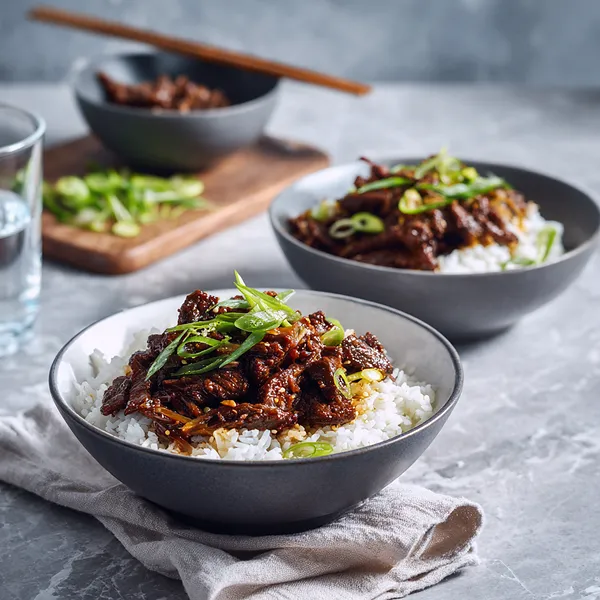
- Now comes the fun part – building your bowls! Start with a generous base of fluffy white rice in each bowl. Spoon a hearty portion of that gorgeous bulgogi beef right in the center. Then arrange your vegetables in colorful sections around the beef – the vibrant green spinach, bright orange carrots, creamy avocado slices, and pink pickled ginger. This sectioned presentation not only looks restaurant-quality but also lets each person mix their bowl according to their preferences.
- Final Touches
- Finish each bowl with a generous sprinkle of sliced green onions and those nutty sesame seeds. If you toasted the sesame seeds beforehand, even better – it really brings out their flavor. Serve immediately while everything is fresh and the beef is still warm. Don't forget to put out some extra soy sauce, sriracha, or gochujang for anyone who wants to customize their heat level or add more umami depth.
 pin it
Switch Things Up
I'll never forget the first time I attempted to make bulgogi at home after having it at a local Korean restaurant. I was convinced I needed all these specialty ingredients and complicated techniques, but then I discovered you could make an incredible version with ground beef and pantry staples. The first batch I made, I was so nervous about getting the flavors right that I kept tasting and adjusting the sauce. My kitchen smelled absolutely amazing – that combination of sesame oil, garlic, and ginger is intoxicating. When I finally assembled the bowls and took that first bite, I couldn't believe how close it tasted to the restaurant version. Now I make these at least twice a month, and I've started getting creative with the toppings. Sometimes I add kimchi for extra tang, other times I throw in some sautéed mushrooms. The beauty of these bowls is that once you have the bulgogi beef down, you can customize everything else to your taste.
Perfect Pairings
These Korean Beef Bulgogi Bowls pair beautifully with traditional Korean side dishes like kimchi, which adds a spicy, fermented kick that cuts through the richness of the beef. You could also serve them with cucumber salad dressed in rice vinegar for a refreshing contrast, or add some steamed edamame on the side for extra protein. For drinks, try serving with cold barley tea or a crisp Asian lager. If you want to make it a full Korean feast, add some Korean-style potato salad or seasoned bean sprouts as additional banchan. The bowls are also fantastic with a drizzle of gochujang mayo if you like a little heat and creaminess.
 pin it
Frequently Asked Questions
- → Can I make this recipe ahead of time?
Absolutely! The bulgogi beef actually tastes even better the next day as the flavors have time to develop. You can cook the beef up to 3 days ahead and store it in an airtight container in the refrigerator. When you're ready to serve, simply reheat the beef in a skillet or microwave. Keep the fresh vegetables separate and assemble the bowls just before eating for the best texture and presentation.
- → What can I substitute for sesame oil?
While sesame oil gives this dish its authentic Korean flavor, you can substitute it with a neutral oil like vegetable or canola oil if needed. However, the flavor will be noticeably different. If you have toasted sesame seeds, you can make a quick sesame oil alternative by grinding the seeds with a neutral oil in a food processor. Another option is to use a smaller amount of olive oil and increase the sesame seeds sprinkled on top.
- → Is this recipe spicy?
No, this basic bulgogi bowl recipe is not spicy at all – it's sweet and savory with lots of garlic and ginger flavor. However, you can easily add heat by mixing in gochugaru (Korean red pepper flakes) with the beef, adding a drizzle of sriracha or gochujang sauce, or serving spicy kimchi on the side. Start with a small amount of spice and adjust to your preference.
- → Can I use a different type of meat?
Yes! While this recipe uses ground beef for convenience, you can substitute ground turkey, ground chicken, or ground pork. Each will give you a slightly different flavor profile but will still be delicious. If you want to use traditional bulgogi-style thinly sliced beef, you can do that too – just slice ribeye or sirloin very thinly and cook it quickly in the same sauce.
- → How do I store leftovers?
Store the components separately for best results. The bulgogi beef can be refrigerated in an airtight container for up to 3 days or frozen for up to 3 months. Cooked rice stays fresh in the refrigerator for 3-4 days. Store fresh vegetables separately and prepare them fresh when assembling new bowls. If you've already assembled complete bowls, they'll keep for 1-2 days in the refrigerator, though the vegetables may lose some of their crispness.
- → What kind of rice works best?
Short-grain white rice or medium-grain white rice works best for Korean rice bowls because it's sticky enough to hold together but not mushy. Jasmine rice or standard long-grain white rice also work well. You can also use brown rice for a healthier option, though it will change the texture and flavor slightly. Cook the rice according to package directions and make sure it's hot and fluffy when you assemble the bowls.
Conclusion
These Korean Beef Bulgogi Rice Bowls are the perfect weeknight dinner solution when you want something that tastes restaurant-quality but comes together in under 40 minutes. The combination of sweet and savory bulgogi beef with fresh, crisp vegetables creates a balanced meal that satisfies every craving. Whether you're meal prepping for the week or cooking dinner for your family tonight, these bowls are guaranteed to become a regular rotation in your kitchen. The best part is how customizable they are – add more vegetables, switch up the toppings, or adjust the spice level to your preference.