
 pin it
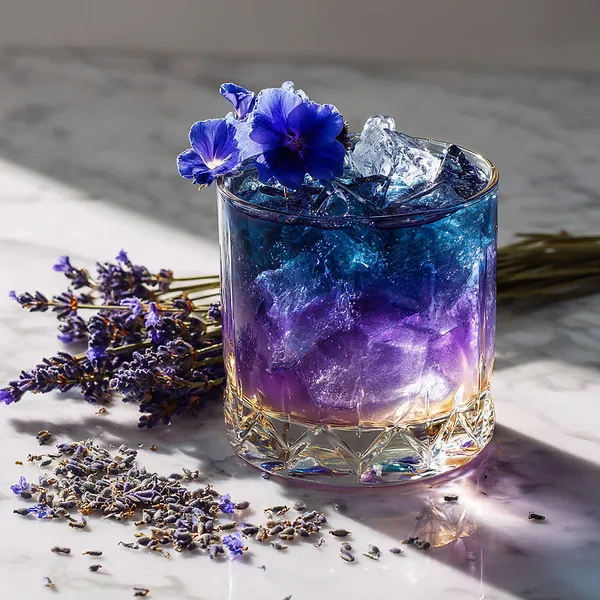
I first came across butterfly pea flower tea at a tiny botanical café during a weekend trip — it was served in a clear glass carafe and the color was so deep and jewel-like I genuinely thought it was dyed. When the server poured a small pitcher of lemon juice beside it and let me add it myself, I watched the liquid shift from inky indigo to vivid violet right in front of my eyes and I practically knocked my chair back in excitement. From that moment I was obsessed. I spent weeks sourcing dried butterfly pea flowers, experimenting with lavender syrups, testing citrus ratios, and figuring out the exact pour technique that creates that gradient instead of an instant color blend. The secret is to pour the butterfly pea tea over ice first and then very gently layer the lavender-lemon mixture on top so they sit in distinct gradient layers until the drinker stirs. When you nail it, it looks like a painting in a glass. The crystal ribbed rocks glass in this recipe shows off the gradient like nothing else — it catches the light and makes those purples and blues absolutely luminous. This is one of those recipes that makes people stop mid-conversation and point.
Why I love this recipe
I love this recipe because it does something almost no food or drink recipe can do — it genuinely surprises people every single time, even people who've seen it before. There's something about watching color shift in real time that never gets old. I love the way the lavender syrup adds this soft, perfumed sweetness that feels sophisticated without being fussy. I love that it works just as beautifully as a mocktail as it does as a cocktail — nobody feels left out at the table. I love that the ingredients are simple and the technique is approachable but the result looks like it came from a Michelin-starred bar. I love setting these glasses out and watching people immediately reach for their phones to photograph them before they even take a sip. And honestly? I love the taste — that balance of floral, tart, and lightly sparkling is genuinely one of the most refreshing things I've ever created. It's the kind of drink that makes an ordinary Tuesday feel like a celebration.
What You Need From Your Kitchen
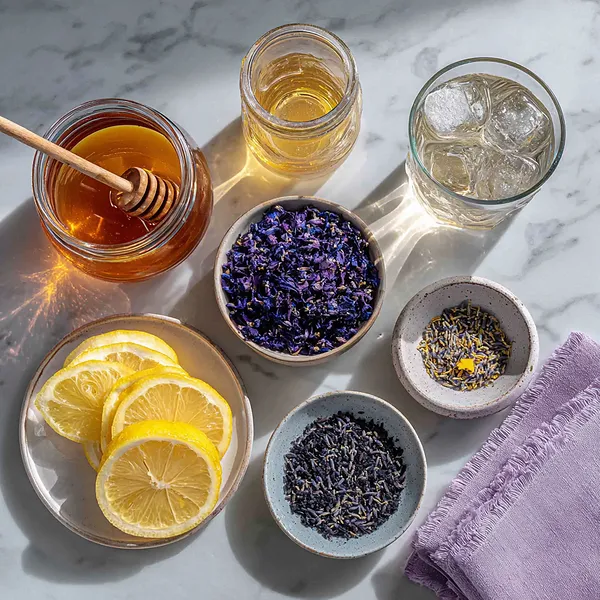
- Dried Butterfly Pea Flowers: Steep in hot water to create the base indigo tea that produces the cocktail's signature color-changing gradient.
- Fresh Lemon Juice: The acidic trigger that reacts with butterfly pea pigments and shifts the drink color from blue to violet and pink.
- Lavender Simple Syrup: Sweetens the drink while adding a delicate, perfumed floral note that pairs perfectly with the butterfly pea tea.
- Vodka or Gin: Optional spirit base that adds depth; gin especially complements the floral botanicals beautifully.
- Sparkling Water: Added at the finish for a light effervescence that lifts the drink and balances the sweetness.
- Fresh Butterfly Pea Flower: Used as the garnish bloom resting on the ice — it makes the drink look like a work of art.
- Dried Lavender Sprig: Draped across the rim for aroma and visual elegance; it perfumes every sip as you drink.
Let's Make These Together
- Brew your butterfly pea flower tea
- Steep 1 cup of dried butterfly pea flowers in 2 cups of hot water for 8–10 minutes until the liquid is a deep, extraordinary indigo blue. Strain the flowers out completely and let the tea cool fully before using — this is your star ingredient and the source of all the magic.
- Simmer the lavender simple syrup
- Combine sugar, water, and dried lavender buds in a small saucepan. Heat and stir until the sugar dissolves, simmer 3 minutes, then steep off heat for 10 more minutes. Strain and cool. This floral syrup is what gives the cocktail its dreamy, perfumed sweetness.
- Mix the lemon lavender base
- Stir together the fresh lemon juice, cooled lavender syrup, and spirit of choice in a small pitcher. Taste and adjust the balance — it should be bright and floral. This mixture is also what will chemically react with the tea to produce the color shift.
- Fill your glass with large ice cubes
- Choose a beautiful crystal rocks glass and fill it generously with large ice cubes. The size of the ice matters — large cubes melt slowly and keep the gradient layers visible and intact for much longer than standard ice chips.
- Pour the butterfly pea tea over ice
- Slowly pour the cooled butterfly pea tea over the ice, filling the glass about two-thirds full. Watch it pool around the ice in that stunning deep indigo — this is your base layer. Do not stir. Not yet. Let the anticipation build.
- Layer the lemon lavender mix gently
- Hold a bar spoon just above the tea surface and pour the lemon lavender mixture slowly over the back of the spoon. This creates a gentle layer rather than a sudden mix. The colors will begin to shift immediately — indigo at the base bleeding up into violet and pale lilac near the top. Add a splash of sparkling water last.
- Garnish and serve with flair
- Place a fresh butterfly pea flower on the ice and drape a dried lavender sprig across the rim. Scatter a few dried lavender buds around the base of the glass on the table surface. Hand your guest a stirrer and let them do the final swirl — it's the best part of the whole experience.
 pin it
Switch Things Up
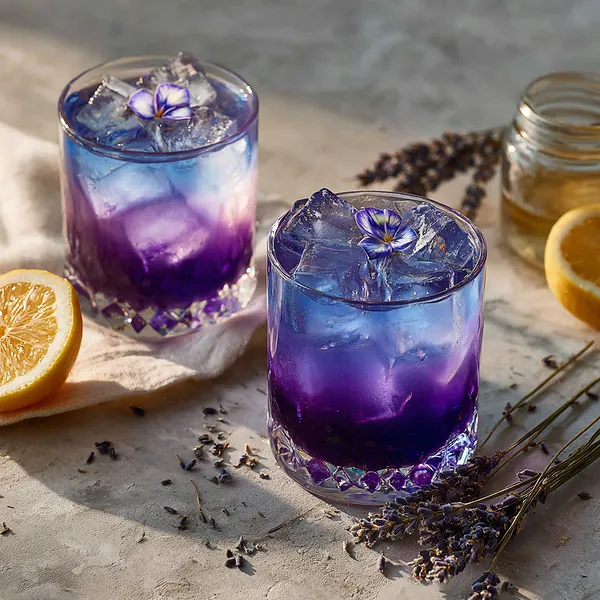
The first time I made this, I accidentally added too much lemon juice and the whole drink turned the most vivid magenta-pink I'd ever seen — honestly it looked even more dramatic than the original violet. Now I always keep a little extra lemon on the side so guests can swirl their own color shift right at the table. I've also tried it with elderflower liqueur instead of vodka, and that floral-on-floral combo was genuinely next-level. For a mocktail version I top it with sparkling lemonade instead of plain soda and it's just as beautiful and even more refreshing.
Perfect Pairings
This lavender cocktail pairs beautifully with light, floral appetizers like goat cheese and honey crostini, cucumber ribbon canapés, or a charcuterie board featuring mild cheeses and fresh grapes. For a dessert pairing, serve alongside lemon tart, lavender shortbread cookies, or a light vanilla panna cotta. The floral and citrus notes in the drink also complement light summer salads with citrus vinaigrette or a simple bowl of fresh mixed berries. For a full mocktail table spread, pair it with a hibiscus lemonade and sparkling mint water for an unforgettable color-themed drinks station.
 pin it
Frequently Asked Questions
- → Where can I find dried butterfly pea flowers?
Butterfly pea flowers are available at most specialty tea shops, health food stores, and very easily online through retailers like Amazon or specialty botanical suppliers. They are sometimes sold as "blue pea flower tea" or "Clitoria ternatea tea." They are caffeine-free and completely food-safe.
- → Can I make this as a mocktail?
Absolutely — and honestly the mocktail version is just as stunning. Simply omit the vodka or gin entirely and increase the sparkling water slightly to compensate for the volume. The color-changing effect works exactly the same way and the flavor is just as refreshing and floral. It's perfect for all-ages gatherings.
- → Why isn't my drink changing color?
The color change requires acidity — specifically lemon juice or another citrus. Make sure you're adding enough fresh lemon juice and that it's properly mixed into the lemon lavender layer before pouring. If the color shift is subtle, add a little more lemon juice directly to the glass and watch the magic happen immediately.
- → Can I make a large batch for a party?
Yes! Make a large pitcher of the butterfly pea tea ahead of time and a separate pitcher of the lemon lavender mixture. When guests are ready, pour individual glasses on the spot — the layering technique needs to be done per glass to achieve the gradient effect. Set it up as an interactive drink station so guests can layer their own.
- → How long does the gradient last before it blends?
With large ice cubes and without stirring, the gradient typically stays visible for 3–5 minutes before it begins to blend naturally. Encourage your guests to photograph it immediately and stir it themselves when they're ready to drink — the fully mixed color is a beautiful deep violet too.
- → Can I use food-grade lavender from the grocery store?
Yes, as long as it's labeled culinary or food-grade lavender. Avoid decorative lavender from florists as it may be treated with pesticides or other chemicals not safe for consumption. English lavender (Lavandula angustifolia) is the most commonly used culinary variety and has the mildest, sweetest flavor.
Conclusion
This Color-Changing Lavender Cocktail is as delicious as it is dramatic — a genuinely show-stopping drink that earns gasps before the first sip. The floral sweetness of the lavender syrup, the brightness of fresh lemon, and that magical indigo-to-violet color shift make it perfect for parties, celebrations, or any evening you want to feel a little extra. Make it once and it will permanently join your entertaining repertoire.