
 pin it
I stumbled upon this recipe during a trip to Provence, where I watched a local chef prepare duck with lavender from his garden. The way he scored the skin and rendered it to golden perfection was mesmerizing, and the kitchen smelled like heaven when he drizzled that warm honey-lavender glaze over the sliced breast. I came home determined to recreate it, and after a few attempts, I nailed the technique. The key is patience – letting that skin render slowly until it's crispy, then finishing the meat perfectly pink in the oven. The glaze comes together in the same pan, picking up all those delicious browned bits and transforming simple honey into something magical with just a touch of lavender. Every time I make this, I'm transported back to that sunny Provençal kitchen, and I love how something so seemingly fancy is actually quite straightforward once you understand the method. The contrast between the crispy exterior and the tender, juicy interior is what makes duck so special, and this recipe showcases that perfectly.
Why I love this recipe
This recipe holds a special place in my heart because it taught me that restaurant-quality cooking is absolutely achievable at home. I love how the lavender adds this unexpected floral elegance without being overwhelming – it's subtle and sophisticated, just enough to make people ask what that wonderful flavor is. The honey brings a beautiful glaze and caramelization that makes the duck skin even more irresistible. What really makes this recipe shine is how forgiving it actually is once you know the basics. The duck tells you when it's ready – the skin renders and crisps up beautifully if you just give it time and don't rush it. I also love that it feels celebratory without being complicated. You don't need fancy equipment or hard-to-find ingredients, yet the result looks and tastes like something from a high-end restaurant. Every single time I serve this, people are impressed, and that never gets old. It's become my go-to recipe when I want to feel accomplished in the kitchen.
What You Need From Your Kitchen
- Duck breasts: Look for fresh, high-quality duck breasts with thick, even fat layers for best results
- Honey: Use pure, raw honey for the most complex flavor in the glaze
- Culinary lavender: Purchase food-grade dried lavender buds from spice shops or specialty stores
- Soy sauce: Adds umami depth and helps balance the sweetness of the honey
- Fresh garlic: Minced finely to infuse the glaze with aromatic flavor
- Butter: Finish the glaze with butter for a silky, restaurant-quality sauce
- Fresh herbs: Rosemary and lavender sprigs for garnishing and adding fresh aromatics
Let's Make These Together
- Prepare Your Duck
- Start by taking your duck breasts out of the refrigerator and patting them completely dry – this is essential for crispy skin. Score the fat in a diamond pattern, being careful not to cut into the meat itself. Season generously on both sides and let them come to room temperature while you gather your other ingredients. This ensures even cooking throughout.
- Render That Beautiful Fat
- Here's the secret to restaurant-quality duck: start with a cold pan. Place your duck skin-side down in the unheated skillet, then turn on the heat to medium. As the pan gradually heats up, the fat will slowly render out, leaving you with the crispiest, most golden skin imaginable. Be patient during this step – it takes about 12-15 minutes, but it's absolutely worth it. You'll see the skin transforming before your eyes.
- Roast to Perfection
- After achieving that gorgeous crispy skin, give the meat side a quick sear, then pop those beauties into a preheated 400°F oven. This finishing step ensures the meat cooks evenly while keeping that skin crispy. Use a meat thermometer to hit your perfect doneness – I recommend 135°F for beautiful medium-rare duck that's pink, juicy, and tender.
- Create the Magic Glaze
- While your duck rests (and yes, resting is mandatory!), transform the pan drippings into liquid gold. Keep a bit of that rendered duck fat in the pan, add your garlic, then stir in honey, soy sauce, and those fragrant lavender buds. Watch as it bubbles and thickens into a glossy, aromatic glaze that will make your kitchen smell absolutely incredible. Finish with butter for that professional sheen.
- Plate Like a Pro
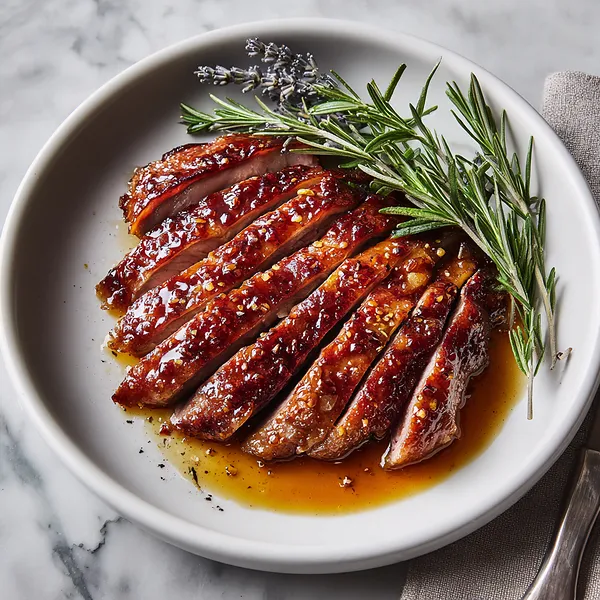
- Slice your rested duck against the grain into elegant diagonal pieces, fan them beautifully on the plate, and drizzle that warm lavender honey glaze over the top. Add your fresh herb garnish and step back to admire your masterpiece. This is the moment when you realize you've just created something truly special.
 pin it
Switch Things Up
I first made this duck recipe on a chilly autumn evening when I wanted to impress some friends coming over for dinner. I'd been intimidated by cooking duck for years, thinking it was too fancy and complicated, but I finally decided to just go for it. The moment I scored that skin and heard it sizzle in the pan, I felt like a real chef. When the lavender honey glaze started bubbling and filling my kitchen with that incredible aroma, I knew I'd created something special. My friends couldn't believe I'd made it from scratch – they thought I'd ordered takeout from some upscale bistro! Now I make this whenever I want to feel fancy on a regular weeknight. The best part? It's actually way easier than it looks, and the crispy skin trick works every single time.
Perfect Pairings
This elegant duck pairs beautifully with roasted baby potatoes tossed in herbs, or a smooth cauliflower purée for something lighter. A fresh arugula salad with pomegranate seeds and a light vinaigrette cuts through the richness perfectly. For vegetables, try roasted carrots with thyme or sautéed green beans with almonds. Wine-wise, a Pinot Noir or a fruity Côtes du Rhône complements the lavender and honey flavors wonderfully. If you're feeling extra indulgent, finish the meal with a light lemon tart or poached pears.
 pin it
Frequently Asked Questions
- → Can I use fresh lavender instead of dried?
Yes, you can use fresh lavender, but use about 1 tablespoon of fresh lavender flowers instead of 2 teaspoons dried, as fresh herbs are less concentrated. Make sure it's culinary lavender that hasn't been treated with pesticides.
- → How do I know when the duck is done?
Use a meat thermometer inserted into the thickest part of the breast. For medium-rare (recommended), aim for 135°F; for medium, 145°F. The duck will continue cooking slightly as it rests, so remove it from the oven just before it reaches your target temperature.
- → What should I do with all the rendered duck fat?
Save it! Rendered duck fat is liquid gold in the kitchen. Strain it into a jar and store it in the refrigerator for up to 3 months. Use it for roasting the most incredible potatoes you've ever tasted, or for sautéing vegetables.
- → Can I make this recipe without an oven?
Yes, you can finish the duck entirely on the stovetop. After rendering the skin and searing the meat side, reduce heat to low, flip back to skin-side up, and cook for another 4-6 minutes, basting occasionally with the pan drippings, until it reaches your desired doneness.
- → Is there a substitute for soy sauce?
You can use tamari for a gluten-free option, or coconut aminos for a soy-free alternative. Worcestershire sauce also works but will give a slightly different flavor profile. You may need to adjust the salt in the recipe accordingly.
- → How far in advance can I prepare this dish?
You can score and season the duck breasts up to 24 hours in advance and keep them refrigerated. The glaze can be made a few hours ahead and gently reheated. However, the cooking should be done just before serving for the best crispy skin and juicy meat.
Conclusion
This Duck Breast with Lavender Honey Glaze is a showstopper that brings restaurant elegance to your home kitchen. The combination of perfectly rendered crispy skin, tender pink meat, and that aromatic floral glaze creates layers of flavor that are both sophisticated and comforting. Whether you're hosting a special dinner or simply treating yourself to something extraordinary, this recipe delivers impressive results without requiring professional chef skills. The lavender adds a unique floral note that elevates the natural richness of the duck, while the honey provides just the right amount of sweetness to balance everything beautifully.