
 pin it
I'll never forget the first time I truly understood the magic of ricotta in pasta. I was traveling through Tuscany and stopped at a small family-run restaurant where the nonna was making pasta in the open kitchen. She tossed hot pasta with fresh ricotta, reserved pasta water, and lemon, and I watched as the cheese transformed into this glossy, creamy sauce without any cream at all. That experience changed how I thought about pasta sauces forever. This recipe is my homage to that moment. I start by cooking rigatoni until it's perfectly al dente—those ridges are essential for catching the sauce. While the pasta cooks, I sauté garlic in olive oil until fragrant, then wilt fresh spinach until it's just tender. The key moment comes when you toss the hot pasta with ricotta and pasta water—the starch in that water is what creates the silky texture. I add fresh lemon zest and juice for brightness, Parmesan for depth, and red pepper flakes for a gentle heat that lingers. Every time I make this dish, I'm transported back to that Tuscan kitchen, remembering how simple ingredients, treated with respect, can create something truly extraordinary.
Why I love this recipe
I love this recipe because it's the perfect example of how simplicity can be absolutely stunning. There's something deeply satisfying about creating a restaurant-quality dish with ingredients you probably already have in your kitchen. The ricotta cheese does all the heavy lifting—when it meets hot pasta and starchy pasta water, it creates this luxurious sauce without any cream, butter, or complicated technique. I love how the lemon zest adds these little bursts of brightness that cut through the richness, and how the spinach wilts into silky ribbons that add color and nutrition. The red pepper flakes give it just enough heat to keep things interesting without overwhelming the delicate flavors. What really makes my heart happy is how versatile this recipe is—I've made it with different pasta shapes, swapped spinach for arugula or kale, and even added roasted vegetables when I have them. It's a recipe that welcomes creativity while remaining foolproof. On busy weeknights when I'm exhausted, this pasta feels like a warm hug. When I'm entertaining, it impresses guests who can't believe how simple it is to make. It's comfort food that doesn't weigh you down, and that's exactly the kind of cooking I love most.
What You Need From Your Kitchen
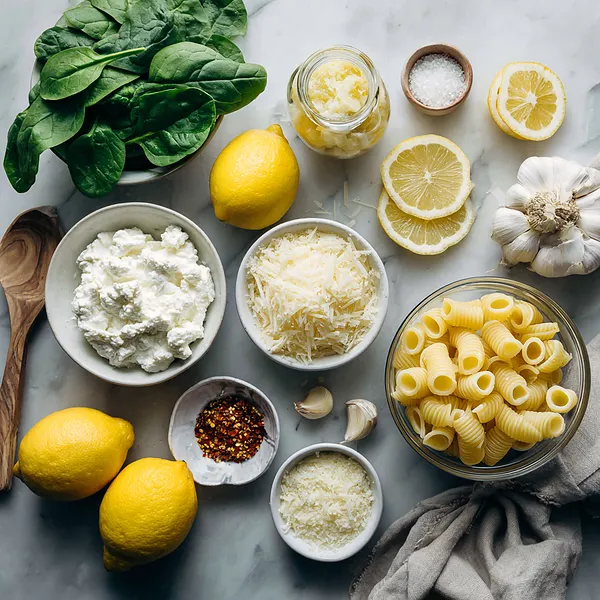
- Rigatoni pasta: Cook until al dente and reserve cooking water before draining
- Ricotta cheese: Use whole milk ricotta at room temperature for best results
- Fresh spinach: Wash thoroughly and remove any tough stems before wilting
- Lemons: Zest before juicing to capture maximum citrus flavor
- Garlic cloves: Mince finely and sauté until fragrant but not browned
- Parmesan cheese: Grate freshly for optimal flavor and melting
- Red pepper flakes: Adjust amount based on your heat preference
Let's Make These Together
- Boil pasta perfectly
- Start by bringing a large pot of generously salted water to a vigorous boil. The water should taste like the sea—this is your only chance to season the pasta itself. Add the rigatoni and stir immediately to prevent sticking. Cook according to package directions, testing a piece a minute before the recommended time to ensure it's al dente with a slight bite. Just before draining, scoop out at least one cup of the cloudy, starchy pasta water and set it aside in a measuring cup or bowl.
- Build aromatic base
- While your pasta bubbles away, heat a generous glug of olive oil in your largest skillet over medium heat. Add the minced garlic and red pepper flakes, letting them sizzle and bloom in the oil for about a minute until your kitchen smells amazing. Be careful not to let the garlic brown or it will taste bitter. Toss in the fresh spinach—it will seem like a huge pile but will wilt down dramatically. Stir it around until completely wilted and tender, about 2-3 minutes, then season with salt and pepper.
- Create creamy magic
- This is where the magic happens. Turn the heat to low and add your drained pasta directly to the skillet with the garlicky spinach. Dollop in the ricotta cheese, scatter over the Parmesan, and add the fresh lemon zest and juice. Now comes the technique: start tossing everything together while drizzling in the reserved pasta water bit by bit. The starch in that water combines with the ricotta to create an incredibly silky, clingy sauce. Keep tossing and adding water until you achieve a glossy, creamy consistency that coats every piece of pasta.
- Finish with finesse
- Taste your creation and adjust the seasoning—maybe it needs more salt, another squeeze of lemon for brightness, or an extra crack of black pepper. The sauce should be creamy but not gloppy, bright but not sour, with just enough heat from the red pepper flakes to make it interesting. Divide the pasta among warm bowls, then finish each portion with a final shower of Parmesan, a drizzle of your best olive oil, and extra lemon zest. Serve immediately while everything is hot and the sauce is at its silkiest, creamiest best.
 pin it
Switch Things Up
I first threw this pasta together on a rainy Tuesday evening when I realized I had forgotten to defrost anything for dinner. I stood staring at my pantry feeling uninspired until I spotted the ricotta cheese in my fridge that I had bought for lasagna the week before. I thought, why not make it the star instead of just a layer? I cooked the pasta, tossed it with the ricotta and some pasta water, and watched as the cheese melted into this incredibly silky sauce. Then I squeezed in some lemon juice because I always think pasta needs brightness, and suddenly this simple dish transformed into something special. My family took their first bites and the table went completely quiet—which in my house means it's really good. Now, every time I make it, my kids request extra lemon zest on top because they love that fresh, zesty flavor. It's become our go-to comfort meal that feels both indulgent and light at the same time.
Perfect Pairings
This Creamy Lemon Ricotta Pasta pairs beautifully with a crisp green salad dressed with a light vinaigrette to balance the richness of the dish. Serve it alongside garlic bread or focaccia for soaking up every drop of that creamy sauce. For protein, consider adding grilled chicken, sautéed shrimp, or pan-seared scallops on top. A glass of chilled Pinot Grigio or Sauvignon Blanc complements the lemon and ricotta perfectly. If you want to make it a complete Italian feast, start with bruschetta or a Caprese salad as an appetizer. For dessert, keep it light with fresh berries and a dollop of mascarpone or a simple lemon sorbet that echoes the citrus notes in the pasta.
 pin it
Frequently Asked Questions
- → Can I use a different type of pasta?
Absolutely! While rigatoni is ideal because its ridges and tubes catch the creamy sauce perfectly, you can substitute with any short pasta shape like penne, fusilli, farfalle, or shells. Just keep the cooking time appropriate to the pasta shape you choose.
- → Can I make this recipe dairy-free?
For a dairy-free version, you can substitute the ricotta with cashew cream or a dairy-free ricotta alternative, and use nutritional yeast instead of Parmesan cheese. The texture won't be quite as creamy, but it will still be delicious and flavorful.
- → How do I store leftovers?
Store leftovers in an airtight container in the refrigerator for up to 3 days. The sauce will thicken as it cools, so when reheating, add a splash of milk, cream, or pasta water to loosen it up. Reheat gently in a skillet over low heat or in the microwave, stirring frequently.
- → Can I add protein to this dish?
Yes! This pasta pairs beautifully with grilled chicken, pan-seared shrimp, Italian sausage, or even white beans for a vegetarian protein boost. Cook your protein separately and add it at the end, or toss it in with the spinach to warm through.
- → Why is my sauce not creamy enough?
The key to a creamy sauce is the starchy pasta water. Make sure you're adding it gradually while tossing the pasta—the starch acts as an emulsifier that helps the ricotta create a smooth, glossy sauce. Also ensure you're using whole milk ricotta, as low-fat versions won't create the same silky texture.
- → Can I use frozen spinach instead of fresh?
You can, but fresh spinach is recommended for the best texture and flavor. If using frozen, thaw it completely and squeeze out all excess moisture before adding it to the pan, otherwise your sauce will become watery. You'll need about 1 cup of frozen spinach to replace 2 cups fresh.
Conclusion
This Creamy Lemon Ricotta Pasta is proof that the best recipes don't need to be complicated. With just a handful of ingredients and less than 30 minutes, you can create a dish that tastes like it came from an Italian trattoria. The combination of creamy ricotta, bright lemon, and tender spinach creates a perfect balance of flavors and textures. Whether you're cooking for your family on a busy weeknight or impressing dinner guests, this pasta delivers every single time. Serve it with crusty bread and a simple salad for a complete meal that everyone will love.