
 pin it
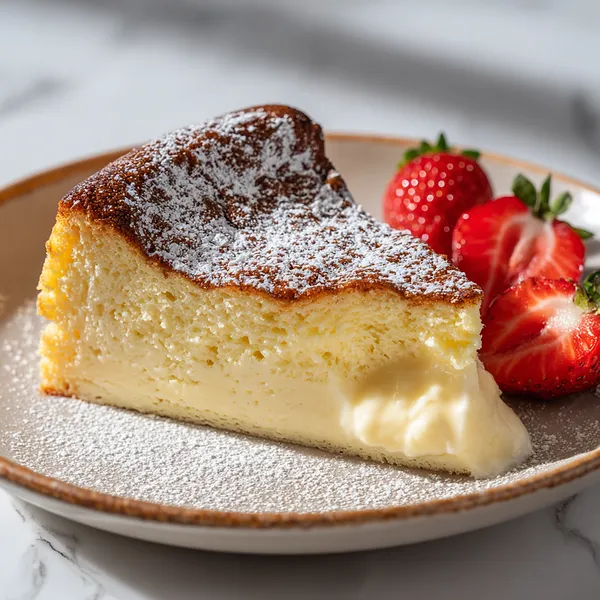
I first came across this cake on a lazy Sunday afternoon scrolling through a French baking blog. The title promised magic and I was skeptical — one batter, three layers? Sounded like a trick. But the science behind it is elegant: the egg whites create a light sponge on top, the yolk-and-flour mixture sinks to form a dense cake layer, and the warm milk turns everything below into pure custard. The result is this glorious golden round cake dusted in powdered sugar that looks completely unassuming from the outside. Then you slice it open and suddenly everyone in the room leans in. That custard layer is ivory, glossy, and set just enough to hold its shape on the plate before melting on contact with your tongue. It tastes like a flan decided to become a cake and then couldn't fully commit. I love it for that.
Why I love this recipe
I love this recipe because it rewards you disproportionately for the effort you put in. You whisk a few things together, pour it in a pan, and walk away. That's genuinely it. And what comes out is something that feels magical — not in a gimmicky way, but in the way that good food always feels like a small miracle. The texture contrast between the cloud-soft top and the dense custard bottom is deeply satisfying. It's elegant without being fussy. It's sweet without being overwhelming. And every single time I serve it, someone asks me for the recipe with wide eyes, like I've done something extraordinary. I have not. But I'll keep letting them think that.
What You Need From Your Kitchen
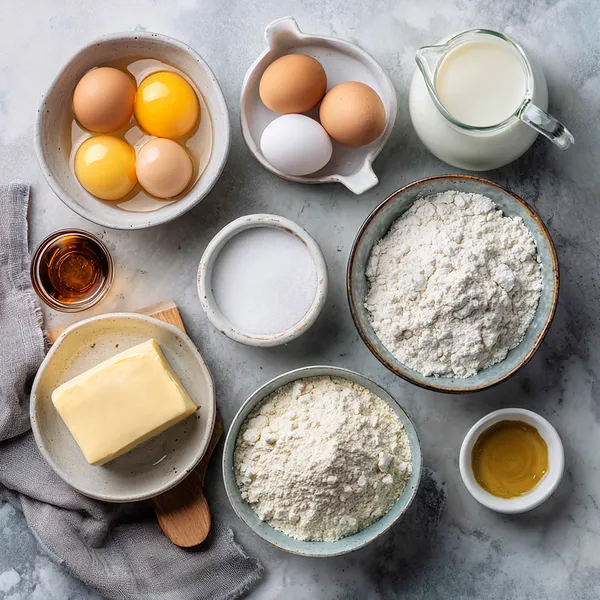
- Eggs: Separated — yolks build the custard base while whipped whites create the airy sponge top layer
- Whole Milk: Warmed before adding; creates the signature creamy custard layer as it bakes
- Unsalted Butter: Melted and cooled; adds richness and a golden flavor throughout
- All-Purpose Flour: Sifted into the yolk mixture; gives structure to the cake layer
- Granulated Sugar: Beaten with the yolks until pale; sweetens and helps emulsify the batter
- Vanilla Extract: Infuses the entire cake with warm, aromatic flavor that complements the custard beautifully
Let's Make These Together
- Preheat and prepare your pan
- Set your oven to 160°C (325°F). Grease your round baking pan thoroughly and lay a circle of parchment paper at the bottom so the cake releases cleanly after baking.
- Beat yolks with sugar and butter
- Separate all four eggs carefully. Beat the yolks with sugar until the mixture turns a pale yellow and thickens slightly. Add your cooled melted butter, vanilla extract, and a tablespoon of water, mixing until silky smooth.
- Incorporate flour and warm milk
- Sift in the flour and stir until just combined. Then slowly pour in the warm milk while stirring continuously. Your batter will look very liquid and almost watery — that is completely correct and expected.
- Whip egg whites to stiff peaks
- In a separate clean, grease-free bowl, beat your egg whites with a pinch of salt until they hold stiff peaks when you lift the beaters. This airy foam is what creates the magic sponge layer on top.
- Fold whites into batter gently
- Add the whipped egg whites to the thin batter in three gentle additions, folding softly each time. Don't overmix — you want some white streaks and lumps to remain. That's where the layering magic happens.
- Bake low and slow to perfection
- Pour the batter into your prepared pan and bake for 45 to 50 minutes. The top should turn golden brown and feel set when touched, while the center still has a gentle wobble. Pull it out and resist the urge to cut in immediately.
- Cool, chill, and dust with sugar
- Let the cake cool completely in the pan, then refrigerate for at least 30 minutes. When ready to serve, unmold carefully, flip right-side up, and dust the top generously with powdered sugar before slicing.
 pin it
Switch Things Up
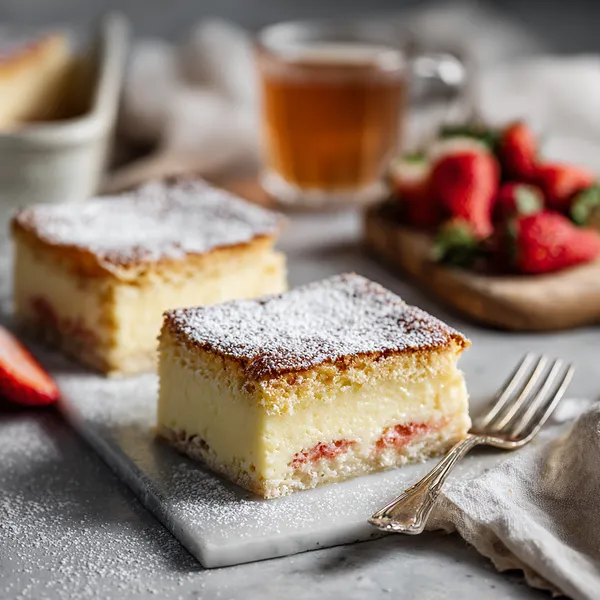
The first time I made this, I genuinely didn't believe it would work. The batter looked too thin, almost like flavored milk with a little flour stirred in. I slid it into the oven half-convinced I'd pull out a flat disaster. But 50 minutes later, that golden dome had risen, the top had set into this beautiful crust, and when I cut into it — there it was. A full custard layer, trembling and creamy, right underneath the cake. I stood in the kitchen eating it warm with a spoon straight from the pan. No regrets.
Perfect Pairings
This magic custard cake pairs beautifully with a handful of fresh strawberries or raspberries on the side — their tartness cuts right through the richness of the custard. A cup of strong black coffee or a warm vanilla latte makes the perfect drink companion. For a more indulgent spread, serve it alongside a small dollop of whipped cream or a drizzle of caramel sauce.
 pin it
Frequently Asked Questions
- → Why does this cake have different layers?
The magic happens because of the different densities in the batter. The egg whites float to the top and form a sponge, the flour mixture creates a middle dense cake layer, and the warm milk combined with egg yolks settles to the bottom as a creamy custard — all from the same batter.
- → Can I use low-fat milk instead of whole milk?
Whole milk is strongly recommended for the richest custard layer. Low-fat milk can result in a thinner, less creamy custard that may not set as well. If you must substitute, use at least 2% milk.
- → Why is my cake not separating into layers?
This usually happens when the egg whites are over-folded into the batter, or if the oven temperature is too high. Make sure to fold gently and bake at a low temperature so each layer has time to naturally separate during baking.
- → Can I make this cake ahead of time?
Absolutely — in fact, this cake is better made the day before. The custard layer firms up beautifully overnight in the refrigerator and the flavors deepen. Just dust with powdered sugar right before serving.
- → How should I store leftover magic custard cake?
Store it covered in the refrigerator for up to 3 days. The custard layer keeps well chilled. Avoid freezing as the texture of the custard will break down upon thawing.
- → Can I add flavors like lemon or chocolate?
Yes! A teaspoon of lemon zest adds a bright citrus note that pairs beautifully with the custard. For chocolate, replace 30g of the flour with cocoa powder. Both variations work wonderfully with the base recipe.
Conclusion
This Magic Custard Cake is the kind of recipe that earns permanent residency in your baking rotation. With barely any effort, you end up with something that looks and tastes like it came from a bakery window. Every slice reveals that dreamy custard center that melts the moment it hits your tongue. Make it once and you'll never stop.