
 pin it
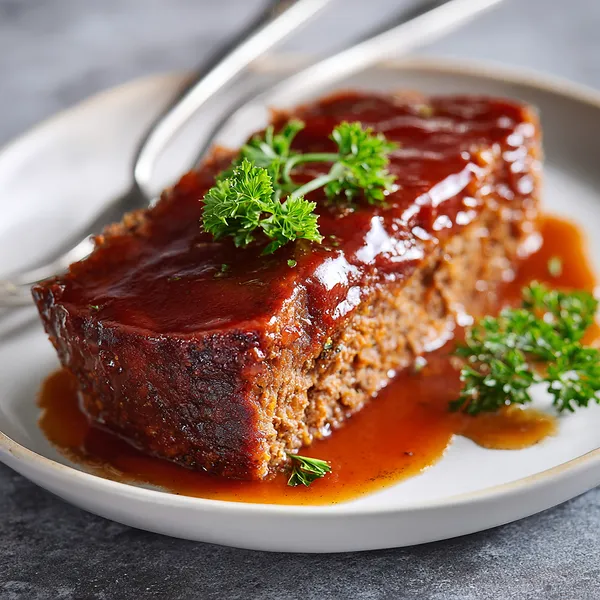
I describe this meatloaf sauce as the ultimate example of culinary efficiency—maximum flavor with minimum effort. It's a glossy, mahogany-colored glaze that transforms from ordinary pantry staples into something restaurant-quality in just five minutes. The first time I encountered a sauce like this was at a small-town diner in the Midwest, where the chef brushed a mysterious glaze on his famous meatloaf just before serving. That shiny coating, with its perfect balance of sweet and tangy, haunted me for weeks. When I finally decided to recreate it, I experimented with various combinations until I landed on this three-ingredient wonder. The ketchup provides the tangy tomato base and body, while the brown sugar adds sweetness and helps create that beautiful caramelization. The Worcestershire sauce is the secret weapon—it brings depth, umami, and a subtle complexity that makes people wonder what your secret ingredient is. What I love most is how the sauce transforms during cooking, going from a simple mixture to a sticky, caramelized glaze that clings to every bite of meatloaf. It's become my most-requested recipe at family gatherings, and I've watched countless friends' eyes light up when they taste it for the first time. This sauce represents everything I believe about good cooking: simple ingredients, prepared with care, resulting in something truly special.
Why I love this recipe
I love this recipe because it embodies the principle that great cooking doesn't have to be complicated. In our modern world where elaborate recipes with twenty ingredients are celebrated, there's something profoundly satisfying about creating restaurant-quality flavor with just three pantry staples. This sauce has saved countless weeknight dinners in my household, turning a basic meatloaf into something my family gets excited about. I love how forgiving it is—you can adjust the sweetness or tanginess to your preference, add spices if you're feeling adventurous, or use it exactly as written for consistent, delicious results. The way it caramelizes in the oven, creating that glossy, slightly sticky coating, never fails to impress both family and guests. I also appreciate its versatility; I've used it on meatballs, chicken, pork chops, and even as a dipping sauce for sweet potato fries. But most of all, I love the memories attached to it—the countless family dinners, the compliments from friends, and the satisfaction of watching people's faces light up with that first bite. It's a recipe that proves you don't need fancy ingredients or complicated techniques to create food that brings joy. Every time I whisk these three ingredients together, I'm reminded that the best recipes are often the simplest ones, passed down and perfected through generations of home cooks who understood that flavor, not complexity, is what matters most.
What You Need From Your Kitchen
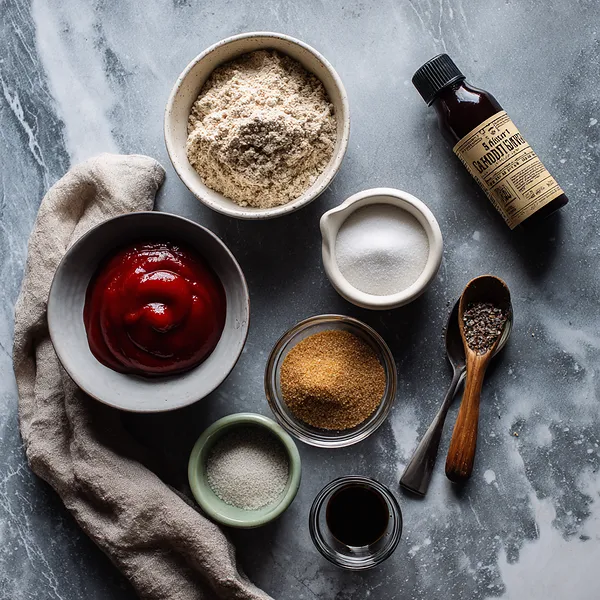
- Ketchup: Forms the tangy tomato base of the sauce and provides body and moisture for glazing
- Brown sugar: Adds sweetness and caramelizes during baking to create that signature glossy finish
- Worcestershire sauce: Brings umami depth and complexity with its blend of vinegar, molasses, and savory seasonings
- Garlic powder: Optional addition that adds aromatic depth and savory notes to complement the sweet-tangy profile
- Fresh parsley: Provides a bright color contrast and fresh herbal note as a finishing garnish
Let's Make These Together
- Whisk the base ingredients
- Start by combining your ketchup, brown sugar, and Worcestershire sauce in a medium bowl. Use a whisk to blend everything together until you see no more granules of brown sugar floating around. The mixture should transform from separated ingredients into a smooth, glossy sauce with a beautiful reddish-brown color. This is where the magic begins—those three simple ingredients coming together to create something special. Take a moment to appreciate the aroma; you should smell the tangy tomato from the ketchup, the sweet molasses notes from the brown sugar, and that distinctive savory depth from the Worcestershire sauce.
- Adjust to taste
- Now comes the fun part—making this sauce your own. Dip a clean spoon into the mixture and taste it. Is it sweet enough for your liking? Add another tablespoon of brown sugar. Want more tang? Another splash of Worcestershire does the trick. Some people like to add a pinch of garlic powder at this stage for extra depth, while others prefer a dash of smoked paprika for a subtle smoky note. There's no wrong answer here; the goal is to create a flavor profile that makes your taste buds happy. Remember, the sauce will intensify slightly as it cooks and caramelizes, so keep that in mind while adjusting.
- First sauce application
- Take about half of your prepared sauce and brush it generously over your assembled, uncooked meatloaf. Don't be shy here—you want good coverage across the entire top surface and even down the sides a bit. Use a pastry brush or the back of a spoon to spread it evenly, creating a nice coating that will protect the meatloaf from drying out while adding incredible flavor. As your meatloaf bakes, this first layer will start to caramelize, creating a foundation for that perfect glaze we're after. Set the remaining sauce aside in a covered container; we'll need it later.
- Second coat for perfection
- About fifteen to twenty minutes before your meatloaf is finished baking, carefully remove it from the oven. This is when you'll apply the second coat of sauce, which is the secret to achieving that restaurant-quality, glossy mahogany finish. Brush the remaining sauce over the partially-caramelized first layer, being generous but not so heavy that it pools at the bottom of the pan. This second application will caramelize quickly in the hot oven, creating multiple layers of flavor and that irresistible sticky-sweet crust. The sugars will bubble and darken slightly, developing complex caramel notes that make this sauce so addictive. Return the meatloaf to the oven to finish cooking, and watch as that glaze transforms into perfection.
- Rest and serve with style
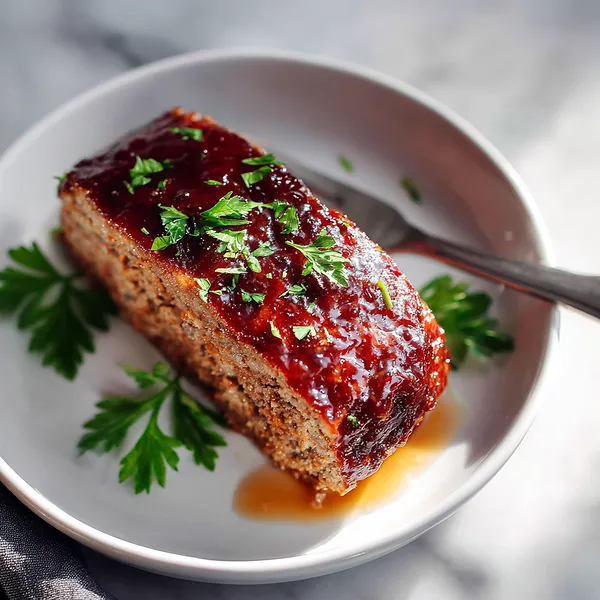
- Once your meatloaf reaches that perfect internal temperature, resist the urge to slice into it immediately. Let it rest for a solid ten minutes—this allows the juices to redistribute throughout the meat and gives the glaze time to set into that gorgeous, glossy coating. While it rests, you can prepare your serving platter and warm up any extra sauce you might have reserved. When you finally slice into that meatloaf, you should see a beautiful caramelized crust giving way to juicy, flavorful meat. Garnish with freshly chopped parsley for a pop of color, and serve with extra warmed sauce on the side for those who can't get enough of that sweet-tangy goodness.
 pin it
Switch Things Up
I remember the first time I made meatloaf without this sauce—it was bland, dry, and frankly disappointing. My grandmother had always made her meatloaf with a glossy glaze on top, but I'd never paid attention to what she was doing. One evening, determined to recreate her magic, I rummaged through my pantry and found these three simple ingredients. I mixed them together, not expecting much, and brushed the mixture over my meatloaf before baking. The aroma that filled my kitchen twenty minutes later was intoxicating—sweet, tangy, with hints of caramel. When I sliced into that meatloaf and saw the beautiful caramelized crust, I knew I'd cracked the code. Now, I always make extra sauce to keep in a jar in the fridge. It's become my go-to not just for meatloaf, but for so many dishes. Sometimes I'll add a pinch of smoked paprika for depth, or a splash of apple cider vinegar for extra tang. The beauty of this sauce is its simplicity—three ingredients that work together in perfect harmony, creating something far greater than the sum of its parts.
Perfect Pairings
This meatloaf sauce pairs beautifully with classic comfort food sides that complement its sweet-tangy profile. Serve your glazed meatloaf alongside creamy mashed potatoes that can soak up the extra sauce, or with roasted green beans that provide a fresh, crisp contrast to the rich glaze. Mac and cheese is another winning combination—the sauce cuts through the cheese's richness perfectly. For a lighter option, try it with a simple garden salad dressed with a light vinaigrette, or roasted Brussels sprouts with a hint of balsamic. Don't forget about dinner rolls or cornbread to mop up every last drop of that glossy sauce from your plate.
 pin it
Frequently Asked Questions
- → Can I make this sauce ahead of time?
Absolutely! This sauce actually benefits from sitting for a few hours or even overnight in the refrigerator, as the flavors meld together beautifully. Store it in an airtight container for up to one week. Just give it a good stir before using, as the ingredients may separate slightly during storage. You can also freeze it for up to three months, though the texture may change slightly upon thawing.
- → What can I use instead of Worcestershire sauce?
If you don't have Worcestershire sauce or need a vegetarian alternative, you can substitute with soy sauce mixed with a splash of apple cider vinegar and a tiny pinch of sugar. Balsamic vinegar also works well, bringing a similar tangy-sweet complexity. Some people use liquid aminos or even a combination of soy sauce and molasses. The flavor will be slightly different, but still delicious.
- → Why does my sauce burn on the meatloaf?
Burning usually happens when the sauce is applied too early or the oven temperature is too high. The high sugar content means it caramelizes quickly, which is great for flavor but can lead to burning if you're not careful. Try lowering your oven temperature to 350°F if you're experiencing burning, or tent the meatloaf loosely with foil after applying the first coat. The second coat should only go on near the end of cooking to prevent over-caramelization.
- → Can I use this sauce on other dishes?
Yes! This versatile sauce works wonderfully on so many dishes beyond meatloaf. Try it on meatballs, pork chops, chicken thighs, or even as a glaze for ham. It makes an excellent dipping sauce for chicken nuggets or french fries. Some creative cooks use it as a base for pulled pork or brush it on burgers during the last few minutes of grilling. The sweet-tangy profile complements most proteins beautifully.
- → How do I prevent the sauce from being too sweet or too tangy?
Balance is key with this sauce. Start with the recipe as written, then taste and adjust. If it's too sweet, add more Worcestershire sauce, a splash of apple cider vinegar, or even a tiny bit of hot sauce to cut the sweetness. If it's too tangy, add more brown sugar a tablespoon at a time until you reach your preferred balance. Remember that cooking will concentrate and slightly intensify the flavors, so aim for a taste that's just slightly more pronounced than you want in the final product.
- → What's the best type of brown sugar to use?
Both light and dark brown sugar work well in this recipe, but they create slightly different flavor profiles. Light brown sugar gives a milder, more straightforward sweetness that lets the ketchup and Worcestershire flavors shine through. Dark brown sugar brings more molasses-forward notes, creating a deeper, richer flavor with hints of caramel and toffee. I personally prefer dark brown sugar for a more complex glaze, but light brown sugar is perfect if you want a cleaner, brighter taste. You can even mix the two for a customized flavor.
- → Can I make this sauce less thick or more thick?
Yes, the consistency is easily adjustable. To thin the sauce, add a tablespoon of water, apple juice, or even beef broth for added flavor. Stir well and add more liquid until you reach your desired consistency. To thicken it, you can either simmer it gently on the stovetop for a few minutes to reduce and concentrate it, or add a teaspoon of tomato paste. Some people also add a tiny bit of cornstarch mixed with water, but I find that unnecessary since the sauce thickens naturally as it caramelizes on the meatloaf.
Conclusion
This three-ingredient meatloaf sauce is proof that incredible flavor doesn't require a complicated ingredient list. The combination of sweet, tangy, and savory notes creates a glaze that caramelizes beautifully in the oven, forming that iconic mahogany crust we all crave on a perfect meatloaf. Whether you're a seasoned home cook or just starting your culinary journey, this sauce delivers consistent, crowd-pleasing results every single time. It's versatile enough to use on other dishes too—try it on meatballs, as a dipping sauce for chicken nuggets, or even brushed on grilled burgers. Keep the ingredients in your pantry, and you'll always be ready to elevate a simple weeknight dinner into something special.