
 pin it
The first time I made this lasagna it was for a housewarming party with far too many friends and not nearly enough chairs. I browned pork and beef together, stirred a splash of red wine into the tomato sauce, and kept tasting the ragu until it felt like home. Everyone cleared their plates and declared it worth whatever fuss it required.
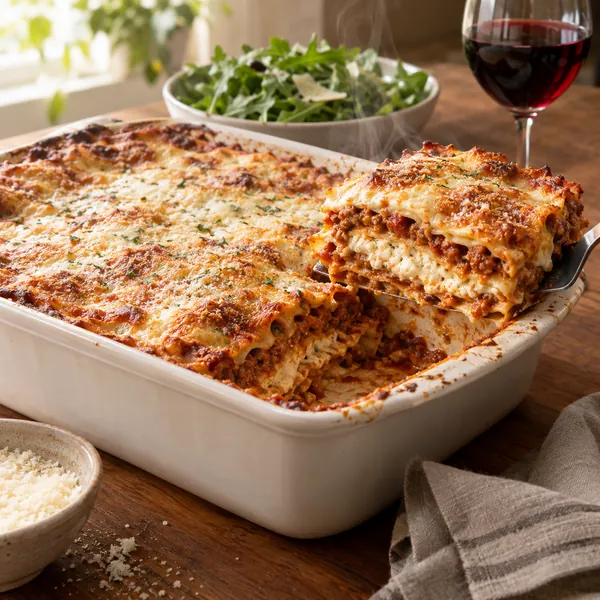
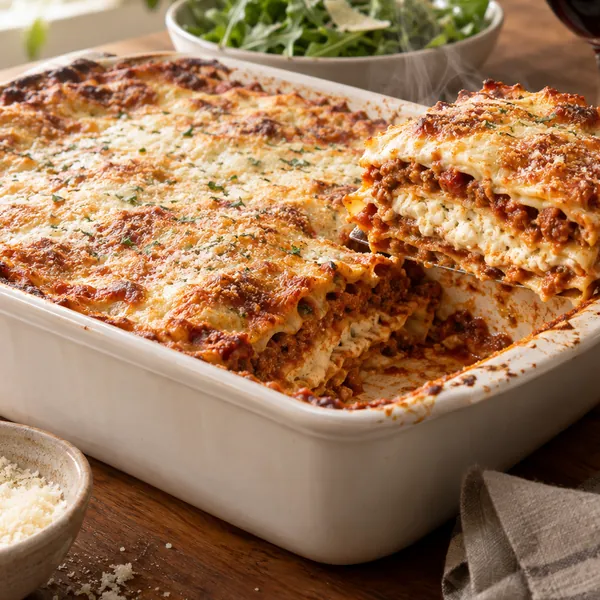
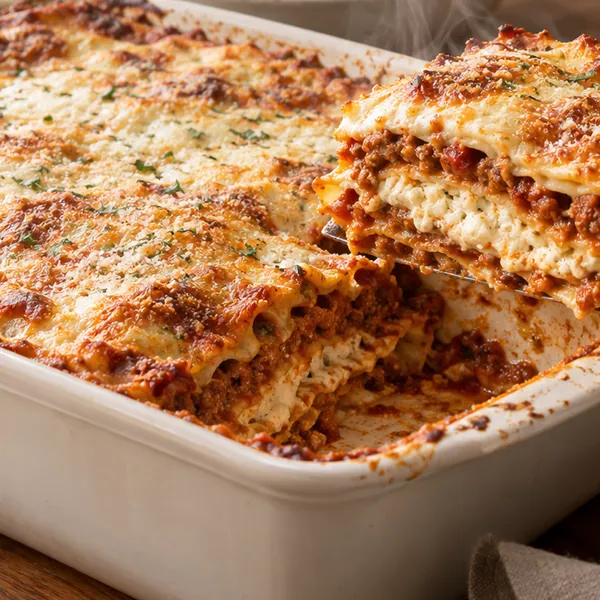
What makes my One Million Dollar version different is the attention to three textures: a dense, slow-simmered meat ragu, an airy ricotta mixture lightened with an egg and lemon zest, and a top layer of mozzarella that melts and a Parmesan layer that bronzes into a nutty crust. I use a splash of milk in the ricotta, and a quick finish under high heat to get the cheese to blister without drying the edges.
Expect about forty-five minutes of active prep and an hour of baking, plus a thirty-minute rest so the layers set. This is the lasagna I make when guests matter or when I want leftovers that taste like a made-up holiday. It feeds eight generously and the flavors improve overnight, which is why I often make it a day ahead.
Why I love this recipe
There are few dishes that reward patience like lasagna. The meat ragu simmers down until the tomato sweetness becomes savory depth and the aroma fills the kitchen; that slow reduction gives each bite a concentrated, almost caramelized meatiness. The ricotta layer keeps the whole tray creamy and forgiving, while shredded mozzarella gives those stringy, comforting pulls we all look for.
Texture is the real reason to love this recipe. You get a dense, forkable interior where noodles hold their shape without being stodgy. There is a contrast between the soft ricotta-laced middle and the top crust where Parmesan crisps and bronzes around bubbling mozzarella. In terms of timing, a make-ahead day is pure luxury: it lets flavors marry and makes assembly stress-free on serving day. Budget-wise, it feeds a lot for the cost; bulk ground meats and canned tomatoes are inexpensive but transform into something celebratory here. Leftovers reheat superbly in a low oven or in slices on a sheet pan, staying moist without becoming gluey. It pleases picky eaters and people who want something grown-up at the same table, which is why it has become my go-to for gatherings big and small.
What You Need From Your Kitchen
- Ground beef and pork: A blend gives depth; brown well for caramelized meaty flavor and drain excess fat.
- Canned whole tomatoes: Crush by hand for texture; simmer to concentrate sweetness and develop ragu depth.
- Tomato paste: A small spoon added early boosts umami and thickens the sauce as it reduces.
- Ricotta cheese: Lighten with an egg and a splash of milk so it layers smoothly between noodles.
- Fresh mozzarella: Slice and pat dry so it melts without adding excess moisture to the lasagna.
- Parmesan cheese: Grate fresh for a bronzing finish and nutty flavor that supermarket tubs lack.
- Dry lasagna noodles: No-boil or boiled both work; mine are boiled until almost tender for even baking.
- Red wine: A splash while cooking the ragu deepens flavor; cooks off so it isn't boozy.
Let's Make These Together
- Make the ragu
- Heat oil in a heavy pot over medium-high and brown the beef and pork until edges caramelize. Add onions and carrots, sweat until soft, then stir in tomato paste and wine. Simmer gently for 40 to 50 minutes until the sauce thickens and you smell a deep, sweet tomato-meat aroma indicating readiness.
- Prepare ricotta mix
- Combine ricotta, beaten egg, grated Parmesan, salt, pepper and a teaspoon of lemon zest in a bowl. Stir until smooth and slightly loose; it should be spoonable but not runny. The little lift from the egg and zest keeps the ricotta bright and signals it will set when baked.
- Boil the noodles
- Bring a large pot of salted water to a rolling boil and cook the lasagna noodles until just shy of tender, usually two minutes less than package directions. Drain and lay them flat on a sheet pan; they should bend without cracking, a visual cue they're ready for layering.
- Layer the pan
- Spread a thin film of ragu in the bottom of the baking dish, lay noodles, then ricotta, mozzarella slices and more ragu. Repeat for three full layers and finish with mozzarella and a generous shower of Parmesan. The assembled pan should sit level and look voluminous, not soupy, before going into the oven.
- Bake until bubbly
- Bake at 375 F uncovered for 35 to 45 minutes until cheeses are bubbling and edges turn golden-brown. For ultimate finish, broil for one to two minutes so the top blisters, watching closely; the ready cue is even browning and active bubbling across the surface.
- Rest then serve
- Remove the lasagna and let it rest for 20 to 30 minutes so the layers settle and cut clean slices. You'll know it's ready when internal steam slows and the center holds together when a spatula passes underneath.
 pin it
Switch Things Up
I often swap the pork-beef blend for ground lamb when I want a more assertive flavor; lamb takes the wine and tomato paste beautifully and makes the lasagna a bit more gamey. For a lighter pan, replace half the beef with shredded roasted mushrooms and lentils for a meatless-but-meaty texture that holds up under the cheese. I have also used no-boil noodles several times; they save a step but need a bit more sauce so they hydrate fully during baking.
Dairy swaps are straightforward: whole-milk ricotta gives the richest mouthfeel, but part-skim keeps the dish lighter without sacrificing structure. For a smoky note, stir a tablespoon of smoked paprika into the ragu or swap a portion of the mozzarella for smoked provolone. If you prefer a white lasagna, omit tomatoes and use a béchamel with spinach and mushrooms instead—same layering logic, different direction entirely.
Perfect Pairings
Serve this lasagna with a crisp, peppery salad—think arugula with lemon vinaigrette—so the peppery greens cut the cheese and meat richness. A loaf of good crusty bread for sopping is optional but always appreciated. For wine, a medium-bodied Italian red like Chianti or a Sangiovese complements tomato acidity and meat depth; if you prefer beer, choose a brown ale with slight caramel notes. Finish with a bright citrus or berry sorbet to cleanse the palate after the lasagna's richness.
 pin it
Frequently Asked Questions
- → Can I assemble this lasagna the day before?
Yes. Assemble and cover tightly, then refrigerate overnight. Bring it to room temperature for about 30 minutes before baking so it cooks evenly. Baking time may increase by ten to fifteen minutes if it comes straight from cold, but the flavor benefits from the overnight rest.
- → Do I need to precook lasagna noodles?
You can use either no-boil noodles or pre-cooked noodles. If using dry no-boil noodles, ensure the sauce is a bit looser to hydrate them during baking. If you boil noodles, cook them until just pliable so they finish tender in the oven without becoming mushy.
- → How do I stop the lasagna from being watery?
Drain and pat dry fresh mozzarella, simmer the ragu until thick, and avoid over-thin ricotta. Let the lasagna rest after baking for at least twenty minutes; that rest helps the liquids redistribute so slices cut cleanly without pooling on the plate.
- → Can I freeze a whole lasagna?
Yes, freeze before baking or after cooling. To freeze before baking, wrap tightly with foil and plastic so it won't pick up freezer odors; bake from frozen at 375 F, covered, adding 20 to 30 minutes until heated through. Thawed, it reheats more quickly and evenly.
- → How do I reheat leftovers without drying them out?
Reheat slices in a 325 F oven on a sheet pan covered loosely with foil for 15 to 20 minutes until warmed through. A few drops of water around the slice and a tight foil cover keep the interior from drying while the exterior warms to a soft, just-melted state.
- → Can I make this vegetarian?
Yes. Replace the meat with a mix of finely chopped mushrooms, cooked lentils or crumbled tempeh sautéed with the same aromatics and tomato base. Roast the vegetables first to remove excess moisture so the filling remains rich and not watery when layered.
Conclusion
This One Million Dollar Lasagna is worth the time because it rewards you with complex, layered flavors and impressive leftovers. Make it for a gathering, or prepare it a day ahead to spare yourself the last-minute rush. Slice it warm, serve with a simple salad and a bold red, and enjoy how something homey can also feel celebratory. If you try it, I hope it becomes a favorite at your table too.