
 pin it
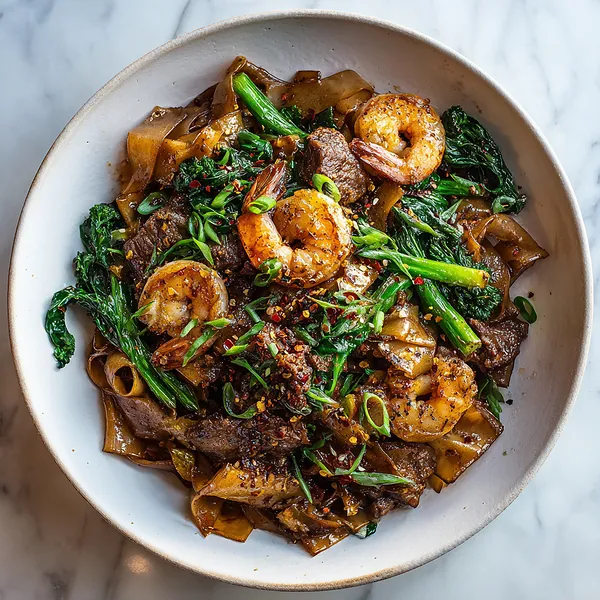
I had my first real Pad See Ew at a tiny street stall in Bangkok — the kind of place with plastic stools and a wok the size of a satellite dish. The cook barely looked at what she was doing; her hands moved so fast over that raging flame, tossing noodles and shrimp like it was pure muscle memory. What hit the plate was a bowl of wide, slightly charred flat noodles absolutely glazed in dark soy sauce, with just enough smokiness to make you think the noodles had a personality of their own. The shrimp were plump and barely cooked through, the beef was tender and caramelized at the edges, and the Chinese broccoli added this almost bitter, fresh contrast that cut through all the richness. I sat there in the heat eating two full portions and thinking about how something so simple could taste so deeply satisfying. When I got home, I immediately started trying to recreate it. It took a few tries to understand that the real magic is the heat — you need a screaming hot pan, patience to let things char slightly, and restraint not to stir too much. Now every time I make it, it brings me straight back to that Bangkok street corner.
Why I love this recipe
I love Pad See Ew because it is honest food. There is no elaborate technique, no ingredients you need to hunt down at specialty stores — just a handful of pantry staples transformed by high heat into something that tastes like it took all day. I love how the flat noodles soak up the dark soy sauce and develop that slightly smoky, caramelized edge when they hit a hot pan. I love that you can customize it endlessly — swap the protein, skip the mushrooms, add more greens — and it still works every single time. I love that it feeds a crowd without stressing you out. But most of all, I love the way it makes people's faces light up when they take the first bite, because they never expect a home-cooked noodle dish to taste quite this good. It is the kind of recipe that earns you compliments even on the nights you threw it together in 30 minutes.
What You Need From Your Kitchen
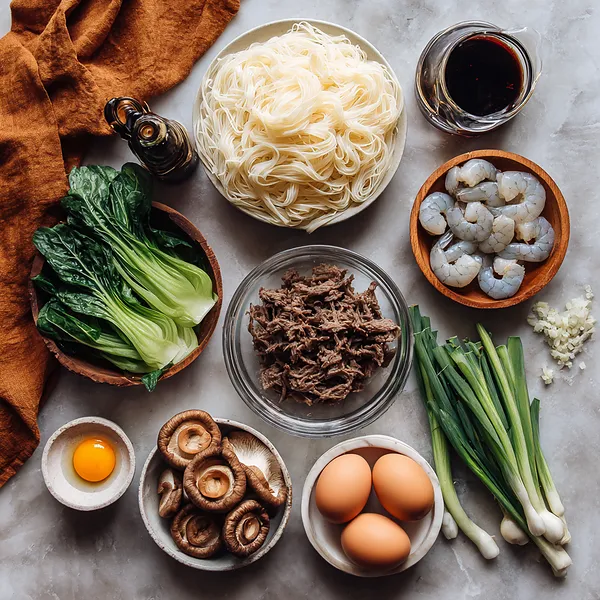
- Wide Flat Rice Noodles: Soak in room temperature water for 30 minutes if dried, or gently separate if using fresh — they are the backbone of this dish.
- Shrimp: Peel, devein, and pat dry before cooking so they sear rather than steam in the wok.
- Beef Sirloin: Slice thinly against the grain for tender, quick-searing pieces that caramelize beautifully at the edges.
- Chinese Broccoli (Gai Lan): Cut into 2-inch pieces, separating stems from leaves — stems go in first since they take longer to cook.
- Shiitake Mushrooms: Halve them so they get maximum surface contact with the wok and develop a meaty, slightly charred edge.
- Dark Soy Sauce: The star of the sauce — thick, rich, and deeply colored, it gives Pad See Ew its signature look and smoky-sweet depth.
- Eggs: Scrambled directly in the wok and folded into the noodles for richness and body throughout the dish.
Let's Make These Together
- Soak and prep your noodles
- If using dried wide flat rice noodles, submerge them in a large bowl of room temperature water and let them soak for 30 minutes. They should become flexible and leathery — not fully soft. Drain them well. If using fresh noodles, gently pull them apart with your hands to separate any stuck-together strands. Set aside uncovered while you prepare everything else.
- Mix your sauce ahead of time
- Combine dark soy sauce, oyster sauce, light soy sauce, fish sauce, and sugar in a small bowl and whisk until the sugar dissolves completely. This takes 30 seconds but saves you from fumbling with bottles over a screaming hot wok mid-cook. Have this bowl right next to the stove.
- Sear beef and shrimp separately
- Get your wok or pan ripping hot — you want it visibly smoking before anything goes in. Add a tablespoon of oil, then lay your beef slices flat. Don't touch them for 60–90 seconds so they get a proper sear. Flip, cook briefly, then remove. Repeat with shrimp, cooking just until pink. Set both aside on a plate.
- Build flavor with garlic and vegetables
- Add more oil to the same hot wok, toss in your minced garlic and let it sizzle for about 20 seconds. Add the mushrooms and let them sit and brown before stirring. Then add Chinese broccoli stems, stir-fry for a minute, and finish with the leafy tops. Everything should be vibrant and just tender.
- Scramble eggs right in the wok
- Push the vegetables to one side and crack the eggs directly into the empty hot space. Let them sit 15 seconds until whites begin to set, then scramble into large soft curds with your spatula. Fold them into the vegetables before they fully firm up.
- Toss noodles with sauce and char
- Add the noodles to the wok, pour the sauce over everything, and toss fast to coat every strand. Then — and this is the key — let the noodles sit flat against the hot surface for 30–45 seconds without touching them. That's how you get the wok-charred flavor. Toss again, let sit again, then return the beef and shrimp, give everything one final toss and serve immediately.
 pin it
Switch Things Up
I first made Pad See Ew on a random Tuesday when I was craving something bold and saucy but didn't want to order takeout again. I had rice noodles sitting in the pantry, a handful of shrimp in the freezer, and some beef I'd meant to use the day before. I threw it all in the hottest pan I had, let the noodles char a little against the bottom, and the smell that came out of that kitchen was absolutely wild. I ended up making it three times that week just to nail the sauce ratio. Now I always keep dark soy sauce stocked specifically for this dish.
Perfect Pairings
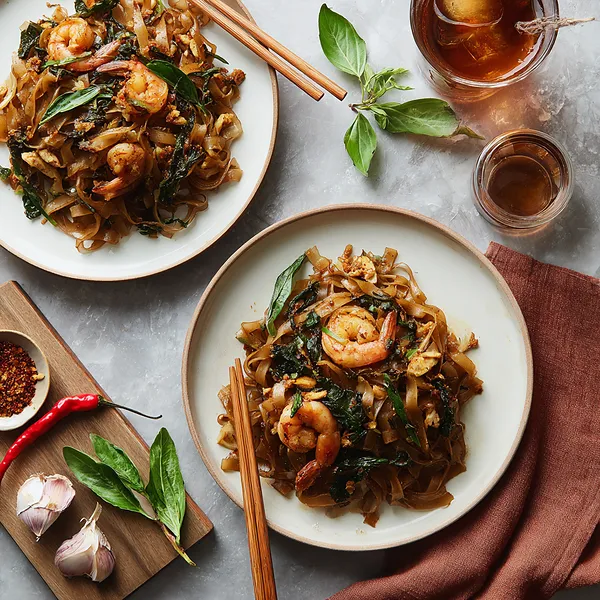
Pad See Ew pairs beautifully with a chilled Thai iced tea or a crisp cucumber salad with rice vinegar and sesame. If you're serving it as part of a spread, tom yum soup on the side adds a bright, spicy contrast to the rich noodles. For a refreshing finish, sliced mango with sticky rice rounds out the Thai theme perfectly.
 pin it
Frequently Asked Questions
- → Can I make Pad See Ew without a wok?
Yes — a large cast iron skillet or stainless steel pan works well. The key is getting it as hot as possible before adding any ingredients. Avoid non-stick pans as they can't handle the high heat required for proper char.
- → Can I use regular soy sauce instead of dark soy sauce?
You can in a pinch, but the result will look and taste different. Dark soy sauce is thicker, less salty, and gives the dish its deep brown color and slight sweetness. Regular soy sauce will make the dish much saltier and paler. Try to find dark soy sauce at any Asian grocery store.
- → Can I make this with just one protein instead of two?
Absolutely. Pad See Ew is delicious with only shrimp, only beef, chicken thighs, tofu, or even just vegetables. The technique and sauce are the same regardless of what protein you choose. Just make sure to sear it properly over high heat first.
- → How do I store and reheat leftovers?
Store cooled leftovers in an airtight container in the fridge for up to 2 days. Reheat in a hot skillet with a tiny splash of water to loosen the noodles — microwave works but makes the texture a bit gummy. Best eaten fresh the same day.
- → What makes Pad See Ew different from Pad Thai?
Pad Thai uses thin round rice noodles and has a tangy tamarind-based sauce with peanuts and bean sprouts. Pad See Ew uses wide flat rice noodles and relies on dark soy sauce for a richer, smokier, more savory flavor profile. They're both iconic Thai noodle dishes but very different eating experiences.
- → Why are my noodles sticking together in the wok?
Noodles stick when they're too wet, the pan isn't hot enough, or there's not enough oil. Make sure to drain soaked noodles thoroughly, heat your pan until smoking before adding them, and don't hesitate to add a small drizzle of oil when you add the noodles in.
Conclusion
Pad See Ew is one of those recipes that feels like a restaurant secret finally cracked open in your own kitchen. The smoky wok flavor, the silky noodles, the perfectly cooked proteins — it all comes together in under 40 minutes. Once you make it once, it becomes a weekly staple. Keep this one close.