
 pin it
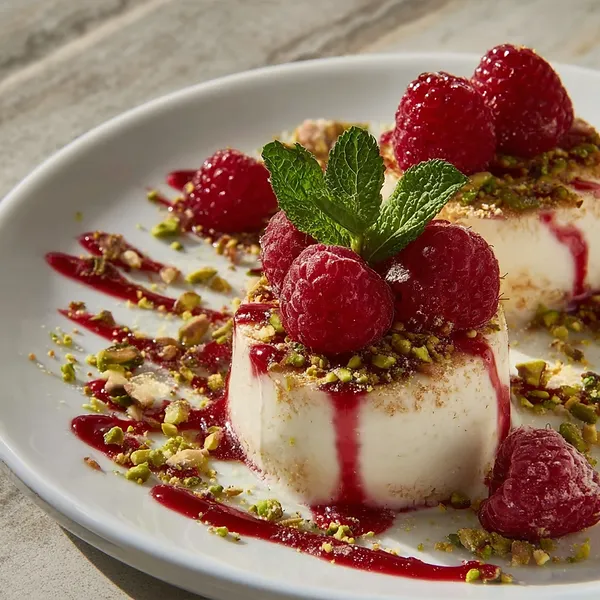
I first encountered panna cotta at a small trattoria in Rome, where the chef explained that the name literally means "cooked cream" but the magic lies in achieving the perfect texture - firm enough to hold its shape yet so delicate it dissolves on your tongue. What fascinated me was how such simple ingredients could create something so elegant and refined. When I decided to recreate it at home, I learned that panna cotta is all about precision and patience. The gelatin must be bloomed properly, the cream heated just enough to dissolve the gelatin without boiling, and the mixture must be strained to ensure absolute smoothness. The raspberry element came from my desire to add color and contrast to the pure white custard. I discovered that fresh raspberries not only provide beautiful visual appeal but their natural tartness perfectly balances the rich creaminess of the base. The pistachios were inspired by classic Italian flavor combinations - their nutty richness and vibrant green color create the perfect textural and visual contrast. What I love most about this recipe is how it transforms simple pantry ingredients into something that looks and tastes like fine dining. It's a reminder that great cooking is often about technique and presentation as much as ingredients.
Why I love this recipe
What makes this recipe so special to me is how it perfectly embodies the Italian approach to dessert - simple, elegant, and focused on letting each ingredient shine. There's something almost meditative about the process of making panna cotta; the gentle warming of cream, the careful dissolving of gelatin, the patient waiting as it sets. It teaches you to slow down and pay attention to details. I love that it's a completely make-ahead dessert, which means you can enjoy your dinner party instead of rushing around the kitchen. The presentation never fails to impress - there's something so sophisticated about that perfect wobble when you unmold it, and the way it holds its shape while remaining silky smooth. But perhaps what I appreciate most is how this dessert connects me to Italian culinary tradition while allowing for creative expression through toppings and garnishes. Every time I serve it, I watch people's faces light up with that first spoonful - the surprise at how something so simple can be so extraordinary. It's become my signature dessert, the one people request again and again, and it never fails to make any meal feel special and memorable.
What You Need From Your Kitchen
- Heavy cream: use full-fat cream for richest texture and best setting
- Unflavored gelatin: bloom properly in cold water before dissolving
- Fresh raspberries: reserve best ones for garnish, use softer ones for coulis
- Pistachios: crush coarsely for best texture contrast
- Vanilla extract: use pure vanilla for best flavor depth
- Powdered sugar: dissolves easily in coulis for smooth consistency
Let's Make These Together
- Master the gelatin technique
- Proper gelatin blooming is crucial for smooth texture. Sprinkle it evenly over cold water and let it absorb completely for 5 minutes. When you add it to the warm cream, whisk immediately and thoroughly to ensure complete dissolution without lumps.
- Control the temperature carefully
- Heat the cream just until the sugar dissolves - never let it boil. Boiling can interfere with gelatin's setting properties. The mixture should be warm enough to dissolve the gelatin but not so hot that it damages the protein structure.
- Achieve the perfect consistency
- The panna cotta should have a gentle wobble when set - firm enough to unmold but delicate enough to melt on your tongue. If it's too firm, use slightly less gelatin next time; if too soft, add a bit more.
- Perfect the unmolding process
- The key to clean unmolding is timing. Dip the bottom of the ramekin in warm water for just 10 seconds, run a thin knife around the edge, then quickly invert onto your serving plate. Work confidently but gently.
 pin it
Switch Things Up
I'll never forget my first attempt at panna cotta - I was so nervous about the gelatin! I'd heard horror stories about rubbery textures and lumpy disasters. My first batch was way too firm because I used too much gelatin, and it bounced like a rubber ball when I tried to unmold it. But I didn't give up. The second time, I followed the measurements exactly and bloomed the gelatin properly in cold water before dissolving it. When I finally achieved that perfect wobble - not too firm, not too loose - I actually did a little victory dance in my kitchen! Now I make this regularly for dinner parties, and I love experimenting with different toppings. Sometimes I'll use blackberries or strawberries, other times I'll try different nuts like toasted almonds. But this raspberry-pistachio combination remains my absolute favorite because the colors are so stunning and the flavors complement each other perfectly.
Perfect Pairings
This elegant panna cotta pairs beautifully with a glass of Prosecco, Moscato, or a light dessert wine like Sauternes. For coffee lovers, serve with espresso or a cappuccino to complement the creamy texture. It also works wonderfully as part of a larger dessert spread with biscotti, fresh fruit, or chocolate truffles. The light, refreshing nature makes it perfect after rich Italian meals.
 pin it
Frequently Asked Questions
- → How do I know if my panna cotta is set properly?
It should have a gentle wobble when you shake the ramekin lightly, similar to firm jello. It should feel set to the touch but not rubbery. Properly set panna cotta will unmold cleanly and hold its shape.
- → Can I make this dairy-free?
Yes! Substitute the heavy cream with full-fat coconut milk or a combination of cashew cream and coconut milk. The texture will be slightly different but still delicious.
- → What if my panna cotta won't unmold?
Try dipping the ramekin in warm water a bit longer, or use a thin knife to gently loosen the edges. If it still won't come out, you can serve it directly in the ramekin - it will still taste amazing!
- → How far ahead can I make this?
Panna cotta can be made up to 3 days ahead. Keep covered in the refrigerator and add the fresh garnishes just before serving for the best presentation and texture.
- → Can I use frozen raspberries?
Fresh raspberries work best for garnish, but you can use thawed frozen raspberries for the coulis. Just make sure to drain any excess liquid before blending to avoid a watery sauce.
Conclusion
This raspberry pistachio panna cotta represents the pinnacle of elegant, make-ahead desserts. The silky texture achieved through proper gelatin technique creates a luxurious mouthfeel that melts beautifully on the tongue. The combination of creamy vanilla base, tart-sweet raspberries, and crunchy pistachios provides perfect balance in both flavor and texture. It's sophisticated enough for special occasions yet surprisingly achievable for home cooks. This dessert proves that with quality ingredients and proper technique, you can create restaurant-worthy results in your own kitchen.