
 pin it
I first discovered the magic of red wine beef stew during a trip to a small bistro in the French countryside, where the chef slowly braised local beef in regional wine until it practically dissolved on my fork. That experience inspired me to recreate this dish at home, and after several attempts, I've perfected a version that captures that same rustic elegance. This isn't just any beef stew – it's a celebration of simple ingredients transformed through patience and technique. The beef chuck, an often underrated cut, becomes incredibly tender through the long, slow braise in wine and broth. The vegetables aren't just additions; they're integral players that add sweetness, texture, and color to every bowl. What I love most is how the wine reduces and concentrates, creating a sauce that's complex, slightly tannic, and utterly addictive. The fresh thyme and bay leaves infuse everything with aromatic depth, while the garlic adds a subtle pungency. It's the kind of dish that reminds you why traditional cooking methods exist – because sometimes, the best things really do take time.
Why I love this recipe
This recipe holds a special place in my heart because it represents everything I believe comfort food should be: warming, nourishing, and made with love. I love how it transforms humble ingredients into something extraordinary through the simple act of slow cooking. There's something deeply satisfying about browning the beef until it's perfectly caramelized, then watching the wine bubble and reduce, knowing that magic is happening in that pot. The beauty of this stew is its forgiving nature – you can't really mess it up as long as you give it time. It's become my go-to for cold weather gatherings, and I've made it for everyone from picky eaters to food critics, and everyone asks for seconds. I appreciate how it fills my home with the most incredible aroma, creating an atmosphere of warmth and anticipation. Plus, it's one of those rare dishes that actually improves with time, making it perfect for meal prep or feeding a crowd. Every time I make it, I'm reminded that the best recipes aren't always the most complicated – they're the ones that bring people together over a steaming bowl of pure comfort.
What You Need From Your Kitchen
- Beef chuck: Cut into 2-inch cubes, patted dry, and seasoned before browning for maximum flavor
- Red wine: Use a full-bodied dry wine like Cabernet Sauvignon or Merlot for the braising liquid
- Carrots: Peel and cut into 2-inch chunks so they hold their shape during the long cooking time
- Pearl onions: Peel and leave whole for sweet, tender bites throughout the stew
- Beef broth: Use low-sodium broth so you can control the final seasoning level
- Tomato paste: Sauté with aromatics to develop deep umami flavor in the sauce
- Fresh thyme and bay leaves: Add whole sprigs for aromatic depth, then remove before serving
Let's Make These Together
- Prepare and brown the beef
- Start by patting your beef cubes completely dry with paper towels – this is crucial for achieving that beautiful caramelized crust. Season the meat generously with salt and pepper, then toss with flour until each piece is lightly coated. Heat olive oil in your Dutch oven over medium-high heat until it's shimmering but not smoking. Working in batches to avoid overcrowding (which causes steaming instead of browning), sear the beef on all sides until deeply golden brown. This step builds the flavor foundation for your entire stew, so don't rush it. Transfer each batch to a plate and set aside while you continue with the remaining beef.
- Build the flavor base
- Without cleaning the pot (all those browned bits are pure flavor!), add your pearl onions and let them caramelize for about 5 minutes, stirring occasionally. They should develop some golden color and start to soften. Add the minced garlic and stir for about a minute until wonderfully fragrant. Now comes a key step: stir in the tomato paste and cook it for 2 minutes, stirring constantly. This caramelizes the tomato paste and removes any raw taste, adding rich, concentrated flavor to your sauce. The pot should look gorgeous at this point, with deep reddish-brown colors coating the bottom.
- Deglaze and combine everything
- Pour in your red wine and use a wooden spoon to scrape up all those delicious browned bits from the bottom of the pot. This process, called deglazing, captures all the flavorful fond and incorporates it into your sauce. Let the wine simmer and reduce by about one-third – this concentrates its flavor and cooks off the harsh alcohol notes while keeping all the wonderful wine characteristics. Return your beautifully browned beef to the pot along with any juices that have accumulated on the plate. Add the carrots, beef broth, fresh thyme sprigs, and bay leaves. Bring everything to a boil, then immediately reduce the heat to low for the gentle simmer that will transform your beef into tender, melt-in-your-mouth perfection.
- Slow braise to perfection
- Cover your pot and let the magic happen over low heat for 2 to 2.5 hours. During this time, the tough collagen in the beef chuck breaks down into gelatin, creating that silky, luxurious texture while the vegetables become tender and absorb all those incredible flavors. Stir occasionally and check that there's enough liquid – you want the ingredients mostly submerged. The stew is ready when you can easily pierce the beef with a fork and it practically falls apart. The sauce should have reduced and thickened into a glossy, rich coating. Remove the thyme sprigs and bay leaves, taste, and adjust the seasoning as needed.
- Rest and serve beautifully
- Here's a pro tip that many people skip: let your finished stew rest off the heat for about 10 minutes before serving. This allows the meat to reabsorb some of the juices and the sauce to thicken slightly as it cools. When you're ready to serve, ladle generous portions over creamy mashed potatoes, buttery egg noodles, or simply serve with crusty bread for soaking up every drop of that incredible sauce. Finish with a sprinkle of fresh chopped parsley for a pop of color and a bright, herbaceous note that balances all that rich, hearty goodness. Your kitchen will smell absolutely amazing, and trust me, this stew tastes even better than it looks!
 pin it
Switch Things Up
I'll never forget the first time I made this stew on a rainy Sunday afternoon. I was feeling adventurous and decided to use a nice Cabernet Sauvignon I'd been saving – total game changer! The aroma that filled my kitchen was intoxicating, and I found myself checking on it every twenty minutes just to sneak a taste of that incredible sauce. My neighbor actually knocked on my door asking what I was cooking because the smell had drifted into the hallway. Now, I always make a double batch because it freezes beautifully, and having a container of this in the freezer feels like having a secret weapon for busy weeknights. Pro tip: don't skip the step of patting the beef dry before browning – those crispy, caramelized edges add so much depth to the final dish.
Perfect Pairings
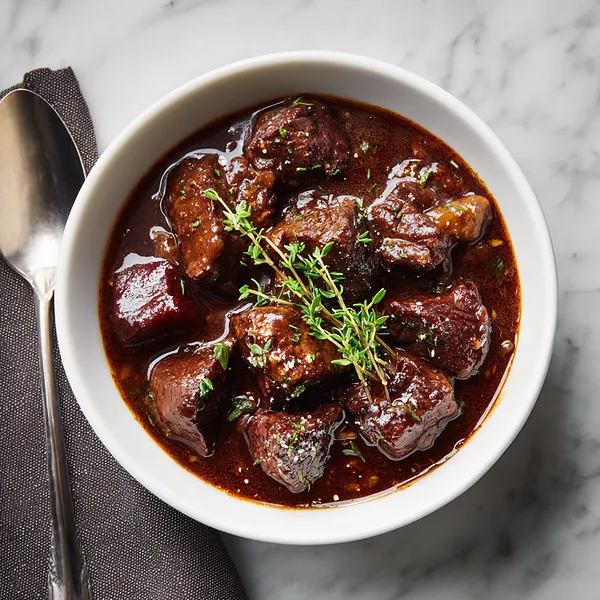
This hearty stew pairs beautifully with creamy mashed potatoes (as shown!) or buttery egg noodles that soak up every drop of that luscious sauce. For a lighter option, serve it over polenta or with crusty French bread for dipping. A simple arugula salad with lemon vinaigrette cuts through the richness perfectly, and of course, a glass of the same red wine you used for cooking makes for an ideal beverage pairing. If you want to round out the meal, roasted Brussels sprouts or green beans almondine add a nice pop of color and freshness to your plate.
 pin it
Frequently Asked Questions
- → Can I make this in a slow cooker?
Absolutely! After browning the beef and sautéing the aromatics on the stovetop, transfer everything to your slow cooker. Cook on low for 7-8 hours or on high for 4-5 hours until the beef is tender. The flavors will be just as incredible with this hands-off method.
- → What's the best cut of beef for this stew?
Beef chuck is ideal because it has enough marbling and connective tissue to become incredibly tender during the long braising process. Other good options include beef round or brisket. Avoid lean cuts like sirloin, as they'll become dry and tough with extended cooking.
- → Can I substitute the red wine?
While red wine provides unmatched depth and complexity, you can substitute with additional beef broth plus 2 tablespoons of balsamic vinegar or red wine vinegar for acidity. However, the flavor profile will be noticeably different from traditional red wine beef stew.
- → How do I know when the stew is done?
The beef should be fork-tender, meaning a fork easily slides in and the meat practically falls apart. The vegetables should be tender but not mushy, and the sauce should be thick enough to coat the back of a spoon. If the beef is still tough after 2.5 hours, continue cooking and checking every 20 minutes.
- → Can I add other vegetables to this stew?
Definitely! Mushrooms, celery, parsnips, and potatoes are all excellent additions. Add hardier vegetables like potatoes and parsnips at the beginning with the carrots. Add quicker-cooking vegetables like mushrooms during the last 30-45 minutes of cooking so they don't become too soft.
- → Why is my stew sauce too thin?
If your sauce is too thin after the full cooking time, remove the lid and simmer uncovered for 20-30 minutes to allow excess liquid to evaporate. Alternatively, you can make a slurry with 2 tablespoons of cornstarch mixed with 2 tablespoons of cold water, stir it into the stew, and simmer for 5 minutes until thickened.
- → How should I store and reheat leftovers?
Store cooled stew in an airtight container in the refrigerator for up to 4 days. It actually tastes better the next day as flavors continue to develop! Reheat gently on the stovetop over medium-low heat, stirring occasionally and adding a splash of broth if needed. You can also freeze portions for up to 3 months.
Conclusion
This Red Wine Beef Stew is everything you want in a comfort meal – tender, flavorful, and deeply satisfying. The slow braising transforms tough beef chuck into melt-in-your-mouth pieces while the red wine creates a rich, complex sauce that's restaurant-worthy. Whether you're serving it for a Sunday family dinner or meal prepping for the week ahead, this stew delivers warmth and nourishment in every spoonful. The best part? It actually tastes even better the next day as the flavors continue to meld together.