
 pin it
I first encountered hoe cakes at a small roadside diner in Georgia, where an elderly woman was cooking them on a well-seasoned griddle that looked like it had seen decades of use. She called them Johnny cakes, and when I took my first bite, I understood why people drive miles out of their way for authentic Southern cooking. These aren't your typical pancakes – they have a distinct personality thanks to the cornmeal, which gives them a slightly grainy texture and a subtle corn sweetness that's absolutely addictive. The buttermilk adds tang and helps create that tender crumb, while just enough flour holds everything together without making them heavy. What makes hoe cakes special is their versatility – they can be sweet or savory depending on your toppings. The name comes from field workers who would cook them on the flat blade of a hoe over an open fire, making them one of the most humble yet beloved dishes in Southern cuisine. When I make them now, I think about all those generations of cooks who perfected this simple recipe, turning basic pantry staples into something truly special. The key is getting your skillet hot enough to create those crispy, lacy edges while keeping the interior fluffy and tender.
Why I love this recipe
What I love most about this recipe is how it proves that the simplest ingredients can create the most memorable food. There's no fancy technique, no expensive ingredients, no complicated steps – just cornmeal, buttermilk, and a hot skillet. Yet the result is pure magic. I love how the cornmeal gives each cake a beautiful golden color and that signature slightly coarse texture that sets them apart from regular pancakes. I love the way they sizzle when they hit the hot butter, creating those crispy, almost lacy edges that contrast so perfectly with the soft center. I love that they're equally at home on a breakfast plate or a dinner table, that they can be dressed up or kept simple, that they satisfy whether you're craving something sweet or savory. But mostly, I love the connection they represent to Southern food traditions – this is honest, unpretentious cooking that's been feeding families for generations. Every time I make them, I feel like I'm part of something bigger than just breakfast. Plus, there's something deeply satisfying about flipping a perfect hoe cake and watching it reveal that gorgeous golden-brown surface. It never gets old.
What You Need From Your Kitchen
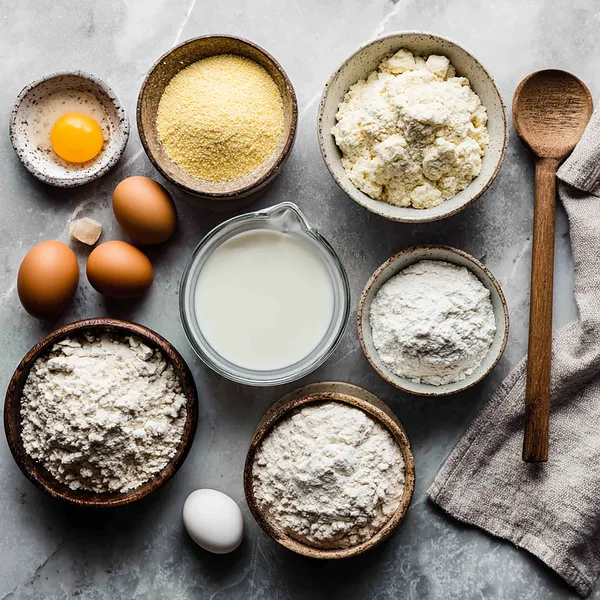
- Cornmeal: Use fine or medium-grind yellow cornmeal for the best texture and authentic corn flavor
- All-purpose flour: Helps bind the batter and creates a tender crumb structure
- Buttermilk: Provides tanginess and reacts with baking soda for fluffy texture
- Egg: Binds ingredients together and adds richness to the batter
- Melted butter: Adds flavor and helps create golden, crispy edges when cooking
- Baking powder and baking soda: Work together to create light, fluffy hoe cakes with good rise
Let's Make These Together
- Prepare Your Ingredients
- Start by gathering all your ingredients and measuring them out precisely. This is a simple recipe, but proper measurements ensure consistent results every time. Let your egg and buttermilk come to room temperature for better incorporation into the batter. Melt your butter and let it cool slightly so it doesn't cook the egg when mixed together.
- Mix the Batter
- Combine all your dry ingredients in one bowl and whisk thoroughly to eliminate any lumps. In a separate bowl, whisk together your wet ingredients until smooth. When you combine wet and dry ingredients, use a gentle folding motion rather than vigorous stirring. The batter should be slightly lumpy – this is perfectly fine and actually preferred. Overmixing develops gluten and makes tough, chewy hoe cakes instead of tender ones.
- Get Your Skillet Ready
- Heat is crucial for perfect hoe cakes. Your skillet should be medium-high heat, hot enough that butter sizzles immediately but doesn't burn. A properly heated cast iron skillet distributes heat evenly and creates those gorgeous crispy edges we're after. Test the temperature by sprinkling a few drops of water on the surface – they should dance and evaporate quickly.
- Cook to Perfection
- Pour your batter onto the hot skillet and resist the urge to touch it. Let the hoe cakes cook undisturbed until you see bubbles forming across the surface and the edges start to look dry and set. This takes about 2-3 minutes. When you flip them, you should see a beautiful golden-brown surface with crispy, lacy edges. Cook the second side for about 2 minutes until equally golden.
- Serve and Enjoy
- Keep your finished hoe cakes warm in a low oven while you cook the remaining batches. This ensures everyone gets to enjoy them hot and fresh. Serve immediately with your favorite toppings – butter and syrup are classic, but don't be afraid to get creative with honey, fruit preserves, or even savory options like gravy or pulled pork.
 pin it
Switch Things Up
The first time I made hoe cakes, I was skeptical. Could something so simple really be that good? I mixed up the batter on a lazy Sunday morning, not expecting much beyond basic cornbread pancakes. But when that first cake hit the hot buttered skillet and started sizzling, releasing this incredible toasty-corn aroma, I knew I was onto something special. The edges crisped up beautifully while the center stayed soft and tender. I drizzled some honey over the top, took a bite, and immediately understood why this recipe has survived for generations. The texture was unlike anything I'd had before – crispy exterior giving way to a fluffy, slightly sweet interior with just a hint of corn flavor. Now, whenever I smell cornmeal, I'm transported back to that Sunday morning. I've experimented with adding a pinch of cayenne for heat, folding in fresh corn kernels, and even making mini versions for appetizers topped with pulled pork. But honestly, the classic version is still my favorite. There's something about the simplicity that just works.
Perfect Pairings
Southern hoe cakes are incredibly versatile and pair beautifully with both sweet and savory accompaniments. For a traditional Southern breakfast, serve them alongside crispy bacon, scrambled eggs, and a drizzle of cane syrup or sorghum molasses. They're also fantastic with fried chicken – the crispy, buttery cakes complement the savory, juicy meat perfectly. For a sweeter route, top them with fresh berries and whipped cream, or go classic with butter and maple syrup. I love serving them with braised greens and black-eyed peas for a complete Southern meal. They also make an excellent base for eggs Benedict with a Southern twist, or serve them warm with apple butter and a pat of salted butter melting on top.
 pin it
Frequently Asked Questions
- → What's the difference between hoe cakes and pancakes?
Hoe cakes are made primarily with cornmeal, giving them a slightly coarser texture and distinct corn flavor compared to flour-based pancakes. They're also typically thinner and crispier around the edges, with a denser texture than fluffy pancakes. The name comes from field workers who would cook them on hoe blades over open fires.
- → Can I make hoe cakes without buttermilk?
Yes! You can substitute regular milk with 1 tablespoon of lemon juice or white vinegar added and left to sit for 5 minutes. You can also use plain yogurt thinned with a little milk, or simply use regular milk, though you'll lose some of the tangy flavor that buttermilk provides.
- → Why are my hoe cakes not crispy on the edges?
The most common reason is that your skillet isn't hot enough. Make sure to preheat your skillet properly over medium-high heat and use enough butter or oil. A cast iron skillet works best for achieving crispy edges. Also, don't flip them too early – wait until bubbles form and edges look set.
- → Can I make the batter ahead of time?
It's best to cook hoe cakes immediately after mixing the batter for optimal texture. However, you can prepare the batter up to 1 hour in advance and store it in the refrigerator. Just give it a gentle stir before cooking, and you may need to add a splash of buttermilk if it's thickened too much.
- → How do I store and reheat leftover hoe cakes?
Store cooled hoe cakes in an airtight container in the refrigerator for up to 3 days. To reheat, place them in a toaster for crispy results, or warm them in a skillet over medium heat with a little butter. You can also freeze them for up to 2 months – just separate layers with parchment paper and reheat directly from frozen.
- → Can I make savory hoe cakes?
Absolutely! Reduce the sugar to 1 teaspoon and add savory ingredients like shredded cheese, chopped jalapeños, crumbled bacon, or fresh herbs to the batter. Savory hoe cakes are excellent served alongside fried chicken, barbecue, or topped with eggs for breakfast.
Conclusion
These Southern hoe cakes are more than just a recipe – they're a connection to generations of Southern cooks who've been making these simple, satisfying cakes for centuries. Whether you serve them for breakfast with maple syrup, as a side to fried chicken, or as a base for savory toppings, they're guaranteed to become a family favorite. The combination of cornmeal's subtle sweetness and buttermilk's tang creates a flavor that's both comforting and exciting. Make a double batch – they disappear fast!