
 pin it
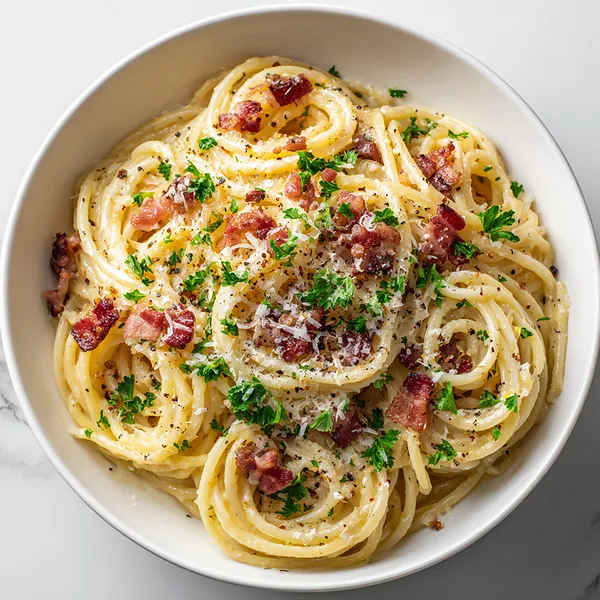
I first encountered authentic Carbonara during a college semester abroad in Rome, and it completely changed my understanding of what pasta could be. Before that trip, I'd only had the Americanized versions loaded with heavy cream – which are tasty in their own right, but nothing like the real deal. Watching a tiny nonna in a trattorias near the Pantheon make it with such effortless precision was mesmerizing. She explained that true Carbonara is all about the emulsification of eggs and pasta water with the rendered bacon fat, creating a sauce that's creamy without any cream at all. The name itself comes from "carbonaro," meaning coal worker, and there's debate about whether it refers to the black pepper that looks like coal dust or was actually made by coal workers. What I love most about this recipe is its deceptive simplicity – you're working with basic pantry staples, yet the result is sophisticated and deeply satisfying. The technique of tempering the eggs by tossing them with hot pasta off the heat is crucial; it's what prevents scrambled eggs and creates that silky, luxurious coating. Every time I make it now, I'm transported back to that little Roman kitchen, and I try to honor the tradition while making it accessible for home cooks. It's become my go-to impressive dinner that actually takes less than thirty minutes from start to finish.
Why I love this recipe
This recipe holds a special place in my heart because it perfectly embodies the "less is more" philosophy of Italian cooking. There's something incredibly satisfying about creating such a decadent, restaurant-quality dish using just a handful of ingredients you probably already have in your kitchen. I love how it teaches you an important cooking technique – tempering eggs – that you can apply to other recipes. The ritual of making Carbonara has become almost meditative for me: the sizzle of bacon hitting the pan, the careful whisking of eggs and cheese, the precise timing of tossing everything together while the pasta is still steaming hot. There's a beautiful chemistry happening when that starchy pasta water emulsifies with the egg mixture and bacon fat, transforming into liquid gold. What really seals the deal is how universally loved this dish is – I've never served it to someone who didn't ask for the recipe afterward. It's comfort food that doesn't feel heavy, indulgent without being overly rich, and impressive without being intimidating to make. Plus, there's something deeply satisfying about twirling perfectly sauced spaghetti on your fork and getting that ideal ratio of pasta, bacon, and creamy coating in every bite. This is the kind of recipe that makes you feel like a confident cook, even if you're just starting out in the kitchen.
What You Need From Your Kitchen
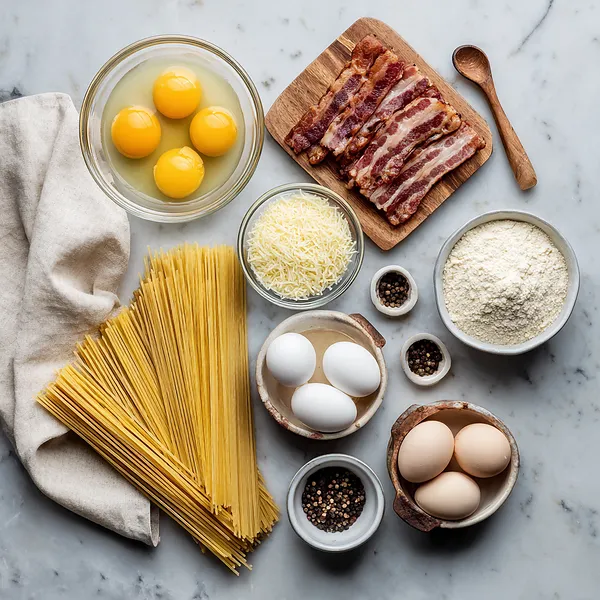
- Spaghetti: Cook in well-salted boiling water until al dente, reserving 1 cup pasta water before draining
- Bacon: Dice into small pieces and cook until crispy in a large skillet over medium heat
- Eggs: Whisk together with Parmesan cheese and black pepper in a bowl until smooth and well combined
- Parmesan cheese: Grate freshly and mix with eggs, plus reserve extra for garnishing the finished dish
- Garlic: Mince finely and add to the bacon during the last minute of cooking for aromatic flavor
- Black pepper: Grind freshly and generously season both the egg mixture and the finished pasta
Let's Make These Together
- Boil Your Pasta Perfectly
- Start by bringing a large pot of generously salted water to a vigorous boil. The water should taste like the sea – this is your only chance to season the pasta itself. Add your spaghetti and cook it until al dente, which means it should have a slight bite when you test it. The most important step here is reserving at least one cup of that starchy pasta cooking water before you drain. This liquid gold will help create the silky sauce that makes carbonara so special. Drain the pasta but never rinse it – you want to keep that surface starch.
- Crisp Up the Bacon
- While your pasta is cooking, get that bacon sizzling. Heat your large skillet over medium heat and add the diced bacon pieces. Let them cook undisturbed for a few minutes, then stir occasionally to ensure even browning. You're looking for crispy, golden-brown bacon with plenty of rendered fat in the pan – that fat is flavor! In the last minute of cooking, toss in your minced garlic and let it become fragrant. Once everything is perfect, remove the pan from the heat but leave all that beautiful bacon fat right where it is.
- Create the Creamy Base
- In your mixing bowl, crack those eggs and add your freshly grated Parmesan cheese along with a very generous grinding of black pepper. Whisk this mixture until it's completely smooth and uniform – no streaks of egg white should be visible. This preparation is what will transform into that luxurious, creamy sauce when it meets the hot pasta. The cheese will help thicken the sauce while the eggs provide that silky coating. Make sure this is ready to go before your pasta is done, as timing is everything in the next step.
- Bring It All Together
- Here's where the magic happens, and timing is crucial. Make absolutely sure your skillet is off the heat – this cannot be stressed enough. Add your hot, freshly drained pasta directly to the skillet with the bacon and fat, tossing everything together so every strand gets coated. Now pour in your egg and cheese mixture and start tossing like your life depends on it. The heat from the pasta and pan will gently cook the eggs into a creamy, glossy sauce rather than scrambled eggs. If the sauce seems too thick, add your reserved pasta water a little splash at a time, tossing constantly, until you achieve that perfect silky consistency that coats each strand of spaghetti beautifully.
- Plate and Garnish
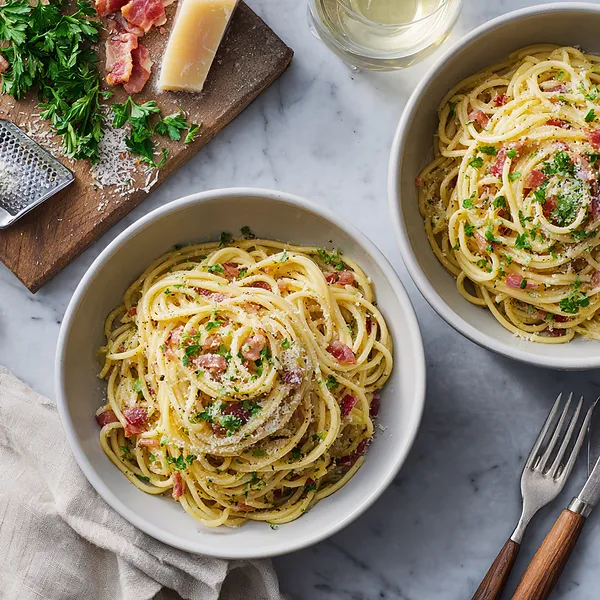
- Don't waste any time here – carbonara waits for no one. Immediately divide your pasta among warm serving bowls, making sure everyone gets their fair share of bacon. Give each portion a generous shower of additional Parmesan cheese, another good grinding of black pepper, and a sprinkle of fresh chopped parsley for that pop of color and freshness. The pasta should be glossy and creamy, with the sauce clinging to every strand. Serve immediately while it's hot and at its absolute best, and watch as everyone's eyes light up with that first twirl of their fork.
 pin it
Switch Things Up
I remember the first time I truly nailed this Carbonara – it was a random Tuesday night when I was craving something comforting but didn't want to spend hours in the kitchen. I'd made it before with mixed results, but this time everything clicked. The moment I tossed that hot pasta with the egg mixture and watched it transform into this glossy, creamy coating, I knew I'd finally got it right. My roommate walked in just as I was plating it up, and the smell alone had them practically drooling. We sat down with our bowls, took that first bite, and just looked at each other with these huge grins. The bacon was perfectly crispy, the sauce was velvety smooth, and every strand of spaghetti was coated in that rich, eggy goodness. Since that night, I've made this recipe at least two dozen times, and it never gets old. Sometimes I'll use pancetta instead of bacon for a more authentic touch, or add a splash of pasta water if I want the sauce a bit looser. But honestly, the classic version is pretty much perfect as is.
Perfect Pairings
Spaghetti Carbonara pairs beautifully with a crisp Caesar salad to balance the richness of the pasta, or a simple arugula salad dressed with lemon and olive oil for a peppery contrast. Garlic bread or a warm crusty baguette is perfect for soaking up any extra sauce on your plate. For beverages, a dry white wine like Pinot Grigio or Vermentino cuts through the creaminess wonderfully, though a light-bodied red like Chianti works surprisingly well too. If you want to make it a full Italian feast, start with some bruschetta or caprese skewers as appetizers, and finish with a light tiramisu or panna cotta for dessert.
 pin it
Frequently Asked Questions
- → Can I use cream in my carbonara?
Traditional Italian carbonara doesn't contain any cream at all. The creamy texture comes from the emulsification of eggs, Parmesan cheese, and starchy pasta water with the rendered bacon fat. While adding cream isn't wrong per se, it creates a different dish that isn't authentic carbonara. The egg-based sauce is lighter and more delicate than cream-based versions.
- → Why did my eggs scramble instead of creating a sauce?
This happens when the pan is too hot or still on the heat source when you add the egg mixture. Always remove the skillet completely from the heat before adding your eggs. The residual heat from the pasta and pan is sufficient to gently cook the eggs into a creamy sauce. If you're nervous, you can even let the pasta cool for 30 seconds before adding the eggs. Vigorous tossing also helps distribute the heat evenly and prevent scrambling.
- → Can I substitute pancetta or guanciale for bacon?
Absolutely! In fact, traditional Roman carbonara uses guanciale (cured pork jowl) or pancetta (Italian bacon). Guanciale has a richer, more distinctive flavor and higher fat content, making it the most authentic choice. Pancetta is also excellent and more widely available than guanciale. Regular bacon works wonderfully too and is the most accessible option for most home cooks. Each will give you a delicious result with slightly different flavor profiles.
- → How do I store and reheat leftovers?
Carbonara is definitely best enjoyed fresh, as the sauce can become gummy and separated when refrigerated and reheated. That said, you can store leftovers in an airtight container in the refrigerator for up to 2 days. To reheat, add a splash of milk, cream, or pasta water to a skillet over low heat, then add the pasta and gently warm it through, tossing constantly. Don't use the microwave as it will make the texture even worse. The reheated version won't be quite the same as fresh, but it's still edible.
- → What's the best type of pasta to use?
Spaghetti is the traditional and most popular choice for carbonara, but you can absolutely use other long pasta shapes like linguine, fettuccine, or bucatini. Some people even prefer bucatini because the hollow center holds extra sauce. Rigatoni also works well if you prefer tube pasta. The key is choosing a pasta shape that will hold the creamy sauce well. Avoid very thin pasta like angel hair, as it can become gummy, and very short pasta like elbows, which doesn't showcase the sauce as beautifully.
- → Can I make this dish ahead of time?
Unfortunately, carbonara is not a make-ahead dish. The sauce is at its absolute best when made fresh and served immediately. The eggs can separate and the pasta can become gummy if it sits around. However, you can prep your ingredients ahead of time – dice the bacon, grate the cheese, mince the garlic, and whisk together the egg mixture. Store everything in the refrigerator and then it only takes about 15 minutes to cook everything and bring it all together when you're ready to eat.
Conclusion
This Spaghetti Carbonara is the epitome of simple Italian cooking at its finest. With just a handful of quality ingredients and proper technique, you can create a restaurant-worthy dish that'll impress anyone at your table. The creamy sauce, crispy bacon, and perfectly cooked pasta come together in harmony to deliver pure comfort in every bite. Whether you're cooking for a weeknight dinner or a special occasion, this recipe never fails to satisfy. Remember, the key is timing and temperature – add those eggs off the heat to get that silky texture!