
 pin it
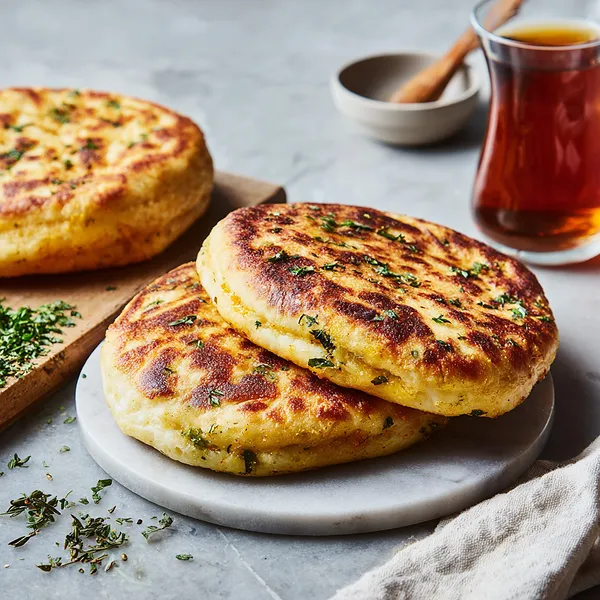
I discovered bazlama bread during a trip to Turkey, watching a street vendor expertly flip these pillowy flatbreads on a massive griddle. The way they puffed up and developed those beautiful charred spots mesmerized me, and when I took that first bite – still warm, slightly smoky, impossibly soft – I knew I had to learn how to make them at home. This recipe captures that authentic flavor and texture using just a few simple ingredients and your stovetop. The dough comes together easily, requiring just a basic knead and some patience during the rising time. What makes bazlama special is the cooking method – using a dry, hot skillet creates those signature leopard spots while steam trapped inside keeps the bread incredibly soft. Unlike naan or pita, bazlama has a unique fluffy texture that's somewhere between the two, making it perfect for so many uses. The gentle char adds a subtle smokiness that elevates even the simplest toppings.
Why I love this recipe
What I love most about this recipe is how it demystifies bread-making and makes it accessible to everyone, even those without fancy equipment or years of baking experience. There's something deeply satisfying about creating fresh bread with your own hands, especially when it requires no oven and minimal cleanup. The transformation from sticky dough to golden, pillowy bread happens right before your eyes in just minutes, which feels almost magical every single time. I appreciate how forgiving this recipe is – the dough is easy to work with, and even if your circles aren't perfectly round, they'll still taste incredible. The versatility is another huge plus; I've used these breads for everything from breakfast wraps to dinner accompaniments, and they never disappoint. But honestly, the best part is sharing them warm from the pan with loved ones, watching their eyes light up as they take that first bite. It's comfort food at its finest, connecting us to centuries of tradition while being perfectly suited to modern, busy lifestyles.
What You Need From Your Kitchen
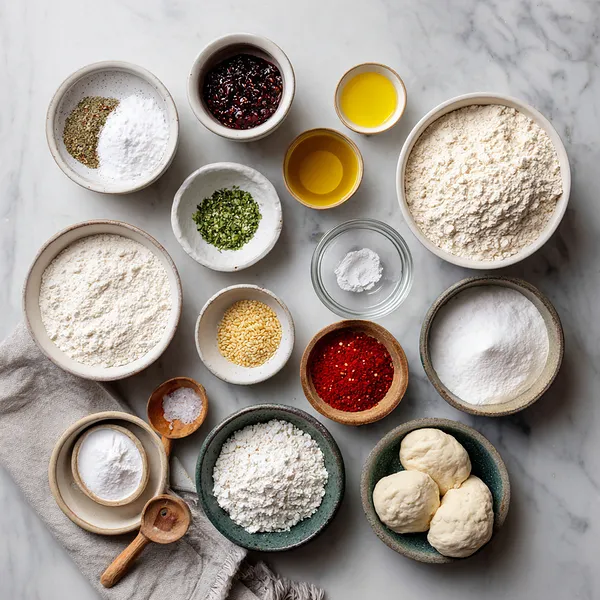
- All-purpose flour: Sift before measuring for lighter texture, and keep extra for dusting your work surface
- Active dry yeast: Check expiration date to ensure it's fresh and will activate properly
- Warm water: Test temperature with your finger - it should feel comfortably warm, like bathwater
- Olive oil: Use extra virgin for best flavor, and reserve some for brushing the bowl
- Sugar: Feeds the yeast and helps with browning during cooking
- Fresh parsley: Chop finely just before serving for bright, fresh garnish
Let's Make These Together
- Activate the yeast mixture
- Start by combining your warm water with sugar and yeast in a small bowl. Give it a gentle stir and then let it rest undisturbed for about 10 minutes. You'll know it's ready when you see a thick, foamy layer on top – this is your yeast coming alive and creating the bubbles that will make your bread fluffy and light.
- Create the dough foundation
- In your large mixing bowl, whisk together the flour and salt to distribute evenly. Make a well in the center and pour in your activated yeast mixture along with the olive oil. Using a wooden spoon, start bringing the ingredients together in a circular motion until you have a shaggy mass that's starting to pull away from the sides of the bowl.
- Knead until perfect
- Turn your dough out onto a lightly floured surface and begin kneading with the heels of your hands. Push the dough away from you, fold it back, rotate it a quarter turn, and repeat. Continue this rhythmic process for 8-10 minutes until the dough transforms from rough and sticky to smooth, elastic, and supple. You'll know it's ready when it springs back when poked and feels silky to the touch.
- Allow the magic rise
- Lightly oil your mixing bowl and place the kneaded dough inside, turning it once to coat all surfaces with oil. Cover the bowl with a clean kitchen towel or plastic wrap and find a warm, draft-free spot in your kitchen. Let the dough rest undisturbed for 60-90 minutes. During this time, the yeast works its magic, creating air pockets that will give your bread its signature fluffy texture.
- Shape individual breads
- Once your dough has doubled in size, punch it down gently to release the air. Divide the dough into 8 equal portions and roll each into a smooth ball. On a lightly floured surface, use your rolling pin to flatten each ball into a circle about 6-7 inches across, maintaining an even thickness of about 1/4 inch throughout.
- Master the stovetop cooking
- Heat your cast-iron skillet or heavy pan over medium-high heat until it's very hot but not smoking. Working with one dough circle at a time, place it in the dry pan and watch as bubbles begin to form on the surface after about a minute. When you see golden-brown spots on the bottom, flip it over and cook the second side. The bread should puff up slightly and develop those characteristic charred spots that give bazlama its authentic flavor. Keep cooked breads warm under a towel while you finish the batch.
 pin it
Switch Things Up
I remember the first time I made bazlama on a lazy Sunday morning when I was craving something warm and comforting but didn't want to heat up the whole kitchen. I was skeptical about making bread without an oven, but watching that first piece puff up in the pan was pure magic. The smell filled my entire apartment, and I couldn't resist tearing into the first one right away – probably ate three pieces before I even finished cooking the batch. Now it's become my weekend ritual, and I love experimenting with different toppings. Sometimes I brush them with garlic butter, other times I sprinkle za'atar on top. My favorite discovery was using them as pizza bases – they cook so fast and get perfectly crispy on the outside while staying soft inside. What started as a curious experiment has become one of my most-requested recipes whenever friends come over.
Perfect Pairings
Turkish bazlama bread pairs beautifully with Mediterranean and Middle Eastern dishes. Serve it alongside creamy hummus, baba ganoush, or muhammara for dipping. It's perfect for wrapping around grilled kebabs, shawarma, or falafel. Try it with Turkish breakfast spreads like honey, jam, or kaymak (clotted cream). It also makes an excellent accompaniment to soups and stews, particularly lentil soup or Turkish beef stew. For a simple snack, brush with olive oil and sprinkle with za'atar or sumac.
 pin it
Frequently Asked Questions
- → Can I make this bread without yeast?
While traditional bazlama uses yeast for its characteristic flavor and texture, you can make a quick version using baking powder instead. However, the taste and texture will be different from the authentic recipe. For best results, stick with yeast and plan ahead for the rising time.
- → Why didn't my bread puff up during cooking?
If your bread didn't puff, the dough may have been rolled too thin, the pan wasn't hot enough, or the dough didn't rise properly. Make sure your yeast is fresh and active, maintain a consistent 1/4-inch thickness when rolling, and ensure your pan is properly preheated before adding each piece of dough.
- → Can I use whole wheat flour instead of all-purpose?
Yes, but you'll need to adjust the recipe. Whole wheat flour absorbs more liquid, so you may need to add 2-3 tablespoons more water. Start with half whole wheat and half all-purpose flour for your first attempt, then adjust to your preference. The texture will be denser and the flavor more robust.
- → How do I store leftover bazlama bread?
Store cooled bread in an airtight container or resealable bag at room temperature for up to 2 days. For longer storage, freeze individual breads with parchment paper between them for up to 3 months. Reheat in a dry skillet over medium heat for 30 seconds per side to restore softness.
- → What's the difference between bazlama and other flatbreads?
Bazlama is thicker and fluffier than most flatbreads like lavash or tortillas, but not as puffy as pita bread. It's cooked on a dry stovetop rather than in an oven, which gives it those distinctive charred spots. The texture is somewhere between naan and pita, making it uniquely versatile for both dipping and wrapping.
- → Can I add flavors to the dough?
Absolutely! Try adding dried herbs like oregano or thyme to the flour mixture, or brush the cooked breads with garlic butter. You can also sprinkle seeds like sesame or nigella on top before cooking. For a sweeter version, add a bit more sugar and brush with honey butter after cooking.
Conclusion
This no-oven Turkish bazlama bread is a game-changer for anyone who loves fresh, homemade bread but doesn't want the fuss of traditional baking. The stovetop method creates those characteristic charred spots while keeping the inside incredibly soft and fluffy. It's versatile enough to serve alongside any meal, use for sandwiches, or enjoy on its own. Once you master this simple technique, you'll wonder why you ever thought bread-making was complicated.