
 pin it
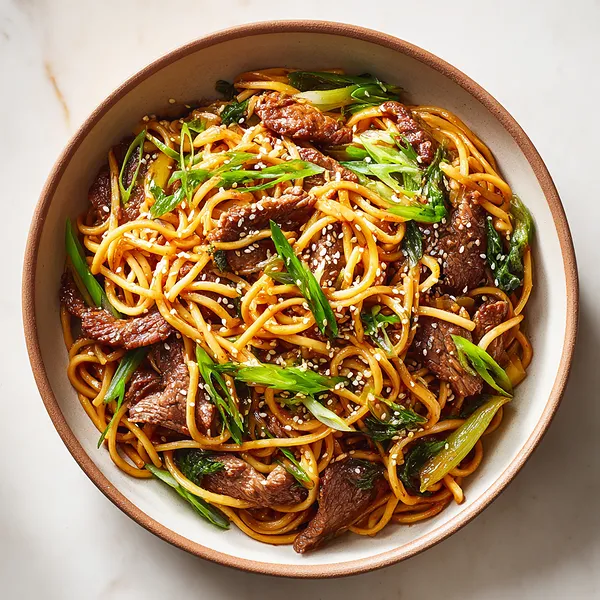
I first encountered authentic lo mein at a tiny family-owned restaurant in Chinatown during a college trip. I watched through the kitchen window as the chef worked his wok with lightning speed, tossing noodles and beef together in a mesmerizing dance of flames and steam. That experience stayed with me for years until I finally decided to recreate it at home. This recipe is my interpretation of that magical dish – it's all about the technique of high heat cooking and the balance of flavors in the sauce. The key is slicing the beef thin against the grain so it stays tender, and not overcrowding your pan so everything gets that beautiful sear. I use fresh lo mein noodles when I can find them at Asian markets, but dried works wonderfully too. The sauce is a simple combination of soy sauce, oyster sauce, and sesame oil, but it creates such depth of flavor. What I love most is how the noodles soak up all those delicious juices while maintaining their chewy texture. The vegetables add color, crunch, and nutrition without overwhelming the star ingredients.
Why I love this recipe
I love this recipe because it proves that incredible food doesn't have to be complicated or time-consuming. In just thirty minutes, you can create something that tastes better than restaurant takeout and costs a fraction of the price. There's something deeply satisfying about the cooking process itself – the high heat, the quick movements, the way everything comes together in those final moments of tossing and combining. It's almost meditative. Beyond that, this dish is incredibly versatile and forgiving. Forgot to buy broccoli? Use snap peas or bell peppers instead. Want it spicier? Add some chili oil. Need more protein? Toss in some extra beef or even shrimp. It's also a fantastic way to use up vegetables that are sitting in your crisper drawer. My family requests this recipe at least twice a month, and I never get tired of making it because each time I can tweak it slightly based on our mood or what's in season. Plus, watching my kids slurp up those long noodles brings me so much joy.
What You Need From Your Kitchen
- Flank Steak: Slice thinly against the grain for maximum tenderness
- Lo Mein Noodles: Cook according to package directions, drain and toss with sesame oil
- Broccoli Florets: Cut into bite-sized pieces for even cooking
- Fresh Ginger: Mince finely to release maximum flavor
- Oyster Sauce: Adds rich umami depth to the sauce
- Sesame Oil: Use toasted sesame oil for authentic nutty flavor
Let's Make These Together
- Cook Your Noodles
- Start by bringing a large pot of water to a rolling boil. Add your lo mein noodles and cook them according to the package directions, usually about 4-6 minutes for dried noodles or 2-3 minutes for fresh. You want them tender but still with a slight chew. Drain them in a colander and immediately rinse with cold water to stop the cooking. Toss with a little sesame oil so they don't stick together while you prepare everything else.
- Sear the Beef
- Heat your wok or large skillet over high heat until it's smoking hot. Add a tablespoon of vegetable oil and swirl to coat. Working in batches if necessary, add your thinly sliced beef in a single layer. Let it sear undisturbed for about a minute to develop that beautiful caramelized crust, then flip and cook another minute. The beef should be browned on the outside but still slightly pink inside. Remove from the pan and set aside – it'll finish cooking when you combine everything at the end.
- Stir-Fry the Vegetables
- Add another tablespoon of oil to the same hot pan. Toss in your broccoli florets, julienned carrots, and sliced onions. Keep everything moving with your spatula or tongs, stir-frying for about 3-4 minutes. The vegetables should be vibrant in color and crisp-tender – you want them cooked but still with a satisfying crunch. In the last 30 seconds, add your minced garlic and ginger, stirring constantly so they become fragrant without burning.
- Create the Sauce
- While your vegetables are cooking, quickly whisk together the soy sauce, oyster sauce, and sesame oil in a small bowl. This magical combination creates that signature lo mein flavor – savory, slightly sweet, and deeply satisfying. The oyster sauce adds incredible umami depth while the sesame oil brings that toasted, nutty aroma that makes this dish smell as good as it tastes.
- Bring It All Together
- Now for the exciting finale! Return your cooked beef to the pan with the vegetables. Add those prepared noodles and pour your sauce over everything. Using tongs, lift and toss everything together over high heat for 2-3 minutes. You want every strand of noodle coated in that glossy sauce, with the beef and vegetables distributed throughout. The noodles should be heated through and glistening. Transfer to a serving platter, sprinkle with sesame seeds, and serve immediately while it's piping hot.
 pin it
Switch Things Up
I'll never forget the first time I decided to skip the takeout menu and make lo mein at home. It was a rainy Tuesday evening, and I was craving that perfect combination of savory noodles and tender beef. I gathered my ingredients, fired up my wok, and within minutes, my kitchen was filled with the most incredible aromas. The sizzle of the beef hitting the hot pan, the fragrance of garlic and ginger – it was intoxicating. When I took that first bite, I couldn't believe I'd made something this delicious myself. The noodles had that perfect chew, the vegetables were still crisp, and the beef was so tender. My family gathered around the kitchen, drawn by the smell, and we ended up having an impromptu dinner party right there. Now, this recipe has become our go-to for busy weeknights when we want something special without the wait or expense of delivery. Sometimes I'll add extra vegetables from the garden, or use different cuts of beef depending on what's available. The beauty of this dish is its flexibility.
Perfect Pairings
This beef lo mein pairs beautifully with classic Chinese appetizers like spring rolls or potstickers to create a complete Asian-inspired feast. For a lighter accompaniment, try serving it alongside a crisp cucumber salad with rice vinegar dressing or some pickled vegetables to cut through the richness. If you want to round out the meal, hot and sour soup or egg drop soup make excellent starters. For beverages, green tea is traditional and refreshing, but I also love pairing this with a cold Asian beer or even a slightly sweet Riesling that complements the savory-sweet sauce perfectly.
 pin it
Frequently Asked Questions
- → Can I use a different type of noodle?
Yes! While traditional lo mein noodles work best, you can substitute with linguine, spaghetti, or even rice noodles in a pinch. Just cook them according to package directions and toss with a bit of oil to prevent sticking. The texture will be slightly different, but the dish will still be delicious.
- → How do I store and reheat leftovers?
Store leftover beef lo mein in an airtight container in the refrigerator for up to 3 days. To reheat, add a splash of water or broth to a pan and heat over medium heat, tossing frequently. You can also microwave in 30-second intervals, stirring between each, until heated through. The noodles may absorb some sauce overnight, so you might want to add a little extra soy sauce when reheating.
- → Can I make this dish vegetarian?
Absolutely! Simply omit the beef and add extra vegetables like mushrooms, bell peppers, snap peas, or tofu. For the sauce, replace the oyster sauce with vegetarian oyster sauce (made from mushrooms) or hoisin sauce. The cooking method remains the same, and you'll still have a delicious, flavorful meal.
- → What's the best cut of beef for lo mein?
Flank steak is ideal because it's flavorful and becomes very tender when sliced thin against the grain. Other great options include sirloin, ribeye, or skirt steak. Whatever cut you choose, the key is slicing it as thin as possible against the grain. Partially freezing the beef for 15-20 minutes makes it much easier to get those paper-thin slices.
- → My lo mein turned out mushy, what went wrong?
Mushy lo mein usually happens from overcooking the noodles or using too much sauce. Cook your noodles just until tender (they'll cook more when tossed with the sauce), and make sure to rinse them with cold water immediately after draining. Also, don't add too much sauce at once – you can always add more, but you can't take it away. Finally, make sure your heat is high enough and you're working quickly to avoid steaming the noodles.
- → Can I prep ingredients ahead of time?
Yes! You can slice the beef and vegetables up to 24 hours in advance and store them separately in the refrigerator. You can also mix the sauce ahead of time. However, it's best to cook the noodles fresh and assemble everything just before serving for the best texture and flavor. The actual cooking process is so quick that having everything prepped makes this a super fast meal.
Conclusion
This beef lo mein is the ultimate weeknight dinner solution that brings restaurant-quality flavors right to your kitchen. The combination of tender beef, chewy noodles, and crisp vegetables creates a perfect harmony of textures and tastes. What makes this recipe truly special is how quickly it comes together while delivering such impressive results. Whether you're cooking for family or entertaining friends, this dish never fails to impress. Plus, it's completely customizable – feel free to swap vegetables based on what's in your fridge!