
 pin it
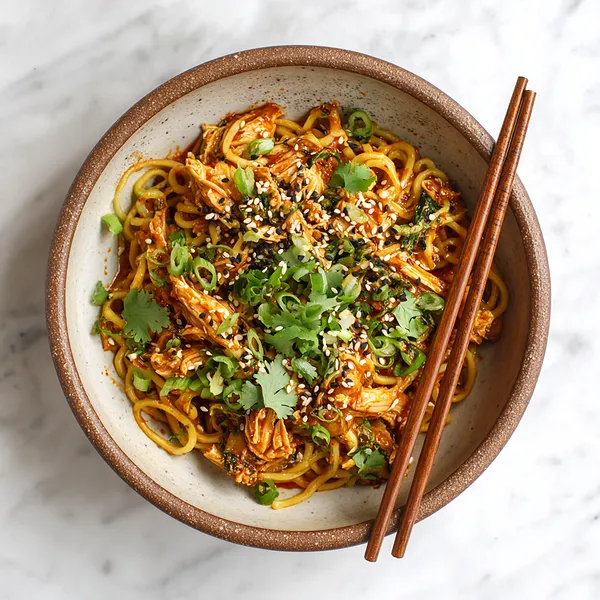
I first had something close to this at a tiny Korean noodle shop where the bowls came out steaming and the sauce was this deep, rust-red color that immediately told you it meant business. The noodles were chewy and slicked with gochujang, and the chicken was so tender it practically melted. I remember sitting there thinking — I need to learn how to make this at home. After a lot of experimenting, I finally cracked the ratio: enough gochujang for serious heat, soy sauce for that salty umami depth, a touch of honey to balance, and sesame oil for that nutty finish. The shredded chicken is key — it creates these little pockets where the sauce clings and concentrates. Every time I make this dish, it brings me right back to that little noodle shop, and I love that I can recreate that feeling in my own kitchen any night of the week.
Why I love this recipe
I love this recipe because it delivers maximum flavor with minimum effort — we're talking one pan, 35 minutes, and ingredients you can find at any grocery store. The gochujang paste is doing all the heavy lifting here: it's simultaneously spicy, savory, slightly sweet, and deeply fermented in a way that makes the sauce taste like it's been simmering for hours. I also love how customizable it is. Turn up the heat, swap proteins, add vegetables, toss in a runny egg — it always works. But mostly, I love how it makes people stop mid-bite and say 'what IS this?' That moment of pure, surprised delight is exactly why I cook.
What You Need From Your Kitchen
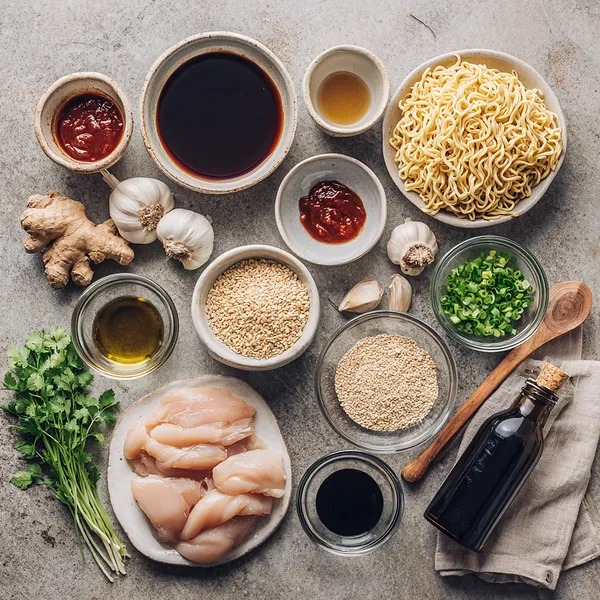
- Chicken Breast: Cooked and shredded into long tender strips that soak up the spicy sauce beautifully
- Gochujang Paste: The star of the sauce — a fermented Korean chili paste that brings bold heat, depth, and a subtle sweetness
- Ramen Noodles: Chewy, springy noodles that hold the glossy gochujang sauce in every curl and tangle
- Garlic: Minced fresh and stirred into the sauce for a pungent, aromatic backbone
- Fresh Ginger: Grated into the sauce to add brightness and a subtle warming spice
- Sesame Oil: Drizzled in for a rich nutty finish that rounds out the entire dish
- Green Onions: Sliced thin and scattered generously on top for freshness and color contrast
Let's Make These Together
- Cook and shred the chicken
- Season your chicken breasts with salt and pepper, then pan-sear them in a hot oiled skillet over medium-high heat for about 6–7 minutes per side until golden and fully cooked through. Let them rest for 5 minutes to retain the juices, then pull them apart using two forks into long, juicy shreds. This shredded texture is essential — it creates little pockets that catch and hold the sauce.
- Whisk the gochujang sauce
- In a small bowl, combine your gochujang, soy sauce, sesame oil, rice vinegar, honey, minced garlic, and grated ginger. Give it a good whisk until it's completely smooth and glossy. Take a little taste — this is your chance to adjust. More gochujang for fire, more honey for balance, more soy for depth.
- Boil noodles to al dente
- Get your water boiling in a large pot and cook the ramen noodles for just 2–3 minutes — you want them slightly underdone because they'll finish cooking in the skillet. Drain immediately and rinse briefly under cold water to stop the cooking process and keep them from clumping together.
- Coat chicken in sauce
- Return your skillet to medium heat and add the shredded chicken back in. Pour all of that gorgeous gochujang sauce over the chicken and toss everything together. Let it cook for a couple of minutes, stirring constantly, until the sauce reduces slightly and clings to every piece of chicken.
- Toss noodles and serve
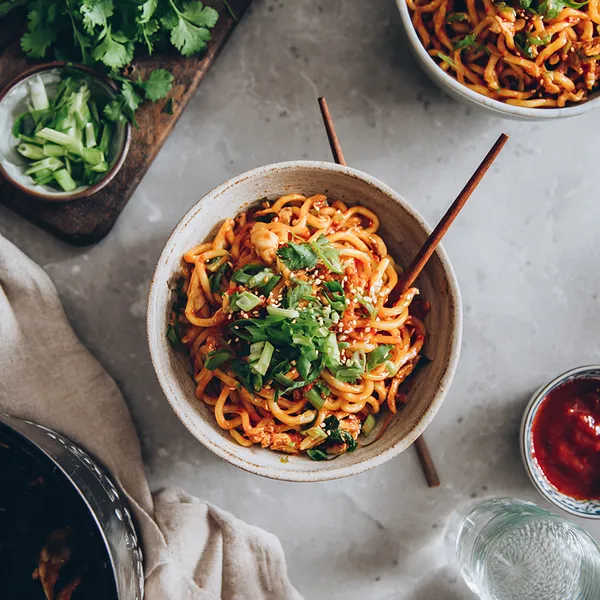
- Add the drained noodles into the skillet and use tongs to toss everything together for 1–2 minutes until every strand is coated in that deep red, sticky, spicy sauce. Plate it up in your favorite bowls, pile on the green onions, sesame seeds, and cilantro, and eat immediately while it's hot and saucy.
 pin it
Switch Things Up
The first time I made this, I accidentally doubled the gochujang and honestly? Best mistake I ever made. The sauce was so thick and fiery and the noodles were just completely coated in it. I've also tried swapping the chicken for shrimp one evening when that's all I had, and it was incredible — the shrimp soaked up the sauce in half the time. Sometimes I throw in a soft-boiled egg on top, and that creamy yolk cutting through the spice is next level. If you're feeling adventurous, a spoonful of peanut butter stirred into the sauce gives it this nutty depth that's absolutely wild in the best way.
Perfect Pairings
These gochujang noodles pair beautifully with a simple cucumber kimchi or a quick Asian slaw with sesame dressing for a cool contrast to the heat. A miso soup on the side keeps the Korean theme going perfectly. For drinks, an ice-cold Korean barley tea or a crisp lager cuts right through the spice. If you're serving guests, start with some steamed dumplings or edamame sprinkled with sea salt — the whole spread feels like a proper Korean-inspired feast.
 pin it
Frequently Asked Questions
- → Can I use a different protein instead of chicken?
Absolutely! This recipe works wonderfully with shrimp, thinly sliced beef, tofu, or even just vegetables. Shrimp cooks especially fast — about 2–3 minutes per side — making it a great weeknight swap. Firm tofu can be pressed, cubed, and pan-fried until crispy before tossing in the sauce.
- → Is gochujang very spicy?
Gochujang has a moderate heat level with a complex, slightly sweet and smoky flavor underneath the spice. If you're heat-sensitive, start with 1.5 tablespoons and build up. If you love serious heat, go up to 4 tablespoons. Most major grocery stores carry it in the international aisle.
- → Can I make this dish ahead of time?
The sauce and cooked shredded chicken can both be prepared up to 2 days ahead and stored separately in the fridge. Cook fresh noodles when you're ready to eat and toss everything together — the whole thing comes together in under 5 minutes with pre-made components.
- → What noodles work best if I don't have ramen?
Udon noodles are a fantastic alternative and give a chewier, thicker bite. Rice noodles work great for a gluten-free version. Even spaghetti or linguine will do in a pinch — the gochujang sauce is so bold it makes any noodle taste amazing.
- → How do I store and reheat leftovers?
Store leftovers in an airtight container in the fridge for up to 3 days. To reheat, add the noodles to a skillet with 2–3 tablespoons of water and warm over medium heat, tossing frequently. Avoid microwaving as it can make the noodles gummy and dry out the chicken.
- → Can I make this less spicy for kids?
Yes! Reduce the gochujang to just 1 tablespoon and increase the honey to 2 tablespoons. You'll still get that gorgeous red color and deep umami flavor but with much milder heat that kids and spice-sensitive eaters will enjoy.
Conclusion
These Saucy Gochujang Chicken Noodles are the kind of meal that earns a permanent spot in your weekly dinner rotation. They're quick enough for a weeknight but bold enough to impress guests. The combination of fiery gochujang, tender chicken, and chewy noodles is simply unbeatable. Make a big batch — you'll want leftovers.