
 pin it
I first encountered chimichurri during a trip to Buenos Aires, where it seemed to appear on every table alongside the most incredible grilled meats I'd ever tasted. Watching the locals generously spoon this bright green sauce over everything inspired me to recreate it at home. This recipe captures that authentic Argentine flavor – it's all about the fresh herbs, the sharpness of good vinegar, and the smoothness of quality olive oil. What I love most is how the flavors meld together yet remain distinct. You get the bright, slightly peppery notes from the parsley, the aromatic kick from cilantro, the pungent warmth of raw garlic, and a gentle heat from red pepper flakes. The pine nuts add a subtle nuttiness and textural interest that makes this version stand out. Unlike pesto, chimichurri maintains a looser, more sauce-like consistency that's perfect for drizzling. The oil doesn't emulsify completely, which means you get these beautiful pockets of herb-infused goodness with every spoonful. It's rustic, unfussy, and utterly delicious.
Why I love this recipe
What makes me absolutely love this chimichurri recipe is its perfect balance of simplicity and impact. With just a handful of ingredients and ten minutes of your time, you create something that tastes like you've spent hours in the kitchen. It's one of those rare recipes where the sum truly exceeds its parts. I love that it requires no cooking – just fresh ingredients, a sharp knife, and a bit of chopping. There's something deeply satisfying about the vibrant green color that tells you it's packed with fresh herbs and flavor. This sauce has saved countless weeknight dinners when I needed to elevate simple grilled chicken or steak into something special. It's also incredibly forgiving – you can adjust the garlic if you want it more or less pungent, add extra vinegar for more tang, or dial up the heat with more pepper flakes. I appreciate how it stays fresh in the refrigerator for weeks, getting even better as the flavors meld. Most importantly, it never fails to impress guests who think I've gone to great lengths, when really, it's one of the easiest recipes in my arsenal.
What You Need From Your Kitchen
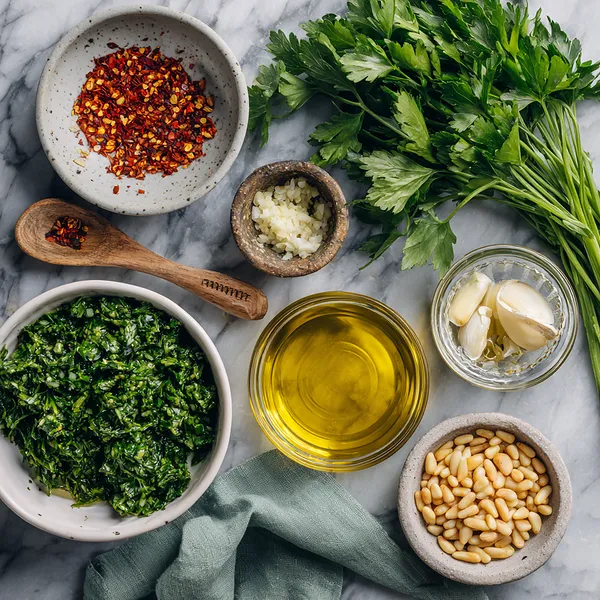
- Fresh Parsley: Wash, dry thoroughly, remove stems and finely chop the leaves
- Fresh Cilantro: Wash, dry thoroughly, remove stems and finely chop the leaves
- Garlic Cloves: Peel and mince finely or use a garlic press
- Red Wine Vinegar: Measure and set aside for mixing
- Extra Virgin Olive Oil: Use high-quality oil for best flavor, measure and prepare for drizzling
- Pine Nuts: Toast in a dry skillet until golden and fragrant, then cool completely
- Red Pepper Flakes: Measure and add to taste for desired heat level
Let's Make These Together
- Prepare Your Fresh Herbs
- Start by washing your parsley and cilantro under cold running water, then spin them dry in a salad spinner or pat them thoroughly with paper towels. It's crucial that the herbs are completely dry before chopping, as excess moisture will dilute your chimichurri and make it watery. Strip the leaves from the stems – you only want the tender leaves for this sauce. Using a sharp knife, finely chop the herbs together on a large cutting board. Take your time with this step; the finer your chop, the better the herbs will distribute throughout the oil, creating a more cohesive sauce.
- Prepare the Aromatics
- Peel your garlic cloves and mince them as finely as possible. If you have a garlic press or microplane, this is a great time to use it for an ultra-fine consistency. The finer the garlic, the more evenly its flavor will permeate the sauce. If you're sensitive to raw garlic's bite, you can briefly blanch the minced garlic in boiling water for about 30 seconds, then drain and pat dry. This mellows the flavor while maintaining the aromatic qualities.
- Toast and Cool Pine Nuts
- Heat a small dry skillet over medium heat and add your pine nuts. Shake the pan frequently and watch them closely – pine nuts go from perfectly toasted to burnt in seconds. Once they're golden and releasing a nutty aroma (about 2-3 minutes), immediately transfer them to a plate to cool. Letting them cool completely is important; adding hot nuts to the sauce can cause the herbs to wilt and lose their vibrant color.
- Build Your Sauce
- In a medium bowl, combine your chopped herbs, minced garlic, red pepper flakes, and dried oregano. Pour in the red wine vinegar and give everything a good stir to coat the herbs. Now slowly drizzle in your olive oil while stirring – you want the oil to mingle with the other ingredients without fully emulsifying. The result should look like bright green herbs suspended in golden oil. Fold in your cooled pine nuts, then season generously with salt and freshly ground black pepper.
- Let It Rest and Intensify
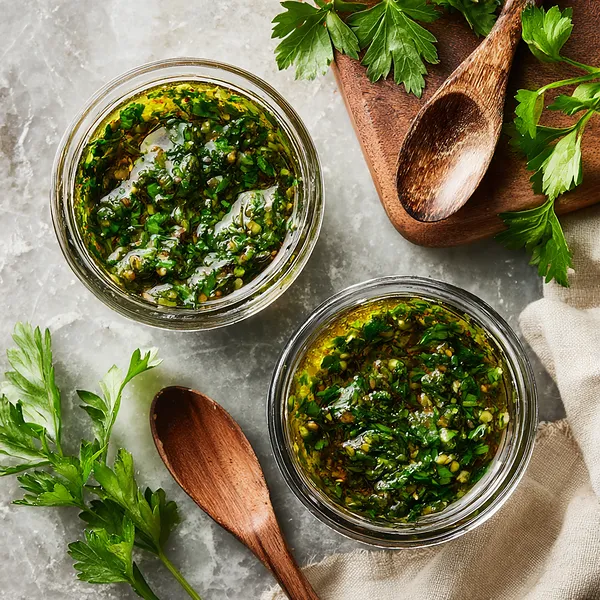
- This is perhaps the hardest step – waiting! Transfer your chimichurri to a glass jar or bowl and let it sit at room temperature for at least 20 minutes before serving. During this time, the garlic mellows slightly, the herbs release their oils into the mixture, and all the flavors marry together beautifully. For even better results, make it a few hours ahead or the night before. The chimichurri will only improve with time. Before serving, give it a good stir to redistribute the oil and herbs, then drizzle generously over your favorite grilled meats, roasted vegetables, or use it as a marinade.
 pin it
Switch Things Up
I still remember the first time I made chimichurri from scratch on a Sunday afternoon before a backyard barbecue. I'd always bought the jarred stuff, thinking homemade would be complicated or time-consuming. Boy, was I wrong! As I chopped the fresh parsley and cilantro, the kitchen filled with this incredible herbaceous aroma that made me wonder why I'd waited so long. When I drizzled that first batch over some grilled flank steak, my friends literally stopped mid-conversation. The flavor was so vibrant, so fresh, so completely different from anything store-bought. Now I make it every couple of weeks, and I've started experimenting with different herbs and adding toasted pine nuts for extra richness. It's become my signature sauce, the thing people ask me to bring to gatherings. The best part? It literally takes ten minutes to throw together, yet people treat it like I've performed some kind of culinary magic.
Perfect Pairings
Chimichurri is incredibly versatile and pairs beautifully with so many dishes. The classic pairing is grilled steak – particularly flank steak, skirt steak, or ribeye – where the sauce's acidity cuts through the richness of the meat perfectly. It's also phenomenal with grilled chicken, lamb chops, or pork tenderloin. For a lighter option, try it drizzled over roasted vegetables like cauliflower, Brussels sprouts, or sweet potatoes. It makes an excellent marinade for shrimp before grilling, and I love it tossed with warm roasted potatoes or spooned over grilled fish. You can even use it as a vibrant dressing for grain bowls or as a dip for crusty bread. Serve it alongside empanadas, grilled corn, or as a topping for baked eggs for a South American-inspired breakfast.
 pin it
Frequently Asked Questions
- → Can I make chimichurri without cilantro?
Absolutely! While traditional Argentine chimichurri often includes cilantro, you can replace it with additional parsley or try using fresh oregano for a different flavor profile. Some people find cilantro tastes soapy due to genetics, so feel free to adjust to your taste preferences.
- → How long does homemade chimichurri last in the refrigerator?
When stored properly in an airtight container or glass jar in the refrigerator, chimichurri will keep for up to two weeks. The oil acts as a preservative for the herbs. You may notice the color darkens slightly over time, which is normal. Just give it a good stir before using as the oil and herbs will separate.
- → Can I freeze chimichurri for later use?
Yes! Chimichurri freezes beautifully for up to three months. Pour it into ice cube trays for convenient single-serving portions, or freeze in a freezer-safe container. Thaw in the refrigerator overnight before using. The texture may be slightly different after freezing, but the flavor remains excellent.
- → What's the best type of olive oil to use?
Use a high-quality extra virgin olive oil for the best flavor. Since the oil isn't cooked, its taste will be prominent in the final sauce. Look for a fruity, peppery oil that you enjoy drinking straight. Avoid light or refined olive oils as they lack the robust flavor that makes chimichurri special.
- → Can I use dried herbs instead of fresh?
Fresh herbs are truly essential for authentic chimichurri – they provide the vibrant color, fresh flavor, and proper texture that define this sauce. Dried herbs simply won't give you the same result. If you can't find fresh parsley or cilantro, it's better to make a different sauce than to substitute with dried versions.
- → Is chimichurri spicy?
Traditional chimichurri has a mild heat from red pepper flakes, but it's not particularly spicy. You can easily adjust the heat level to your preference by adding more or less red pepper flakes. For a spicier version, try adding minced fresh jalapeño or serrano peppers.
- → What's the difference between chimichurri and pesto?
While both are herb-based sauces, chimichurri is oil-based and chunky with a looser consistency, while pesto is typically emulsified into a paste with nuts and cheese. Chimichurri uses vinegar for acidity and is dairy-free, whereas pesto contains Parmesan cheese. Chimichurri is also not blended – the herbs should remain visibly chopped.
Conclusion
This homemade chimichurri is a game-changer that belongs in every home cook's repertoire. Its bright, herbaceous flavor profile cuts through rich meats beautifully while adding depth to lighter fare. The beauty of this recipe lies in its simplicity and versatility – make it once and you'll find yourself reaching for it constantly. Store it in the refrigerator for up to two weeks, and watch as it becomes your go-to condiment for everything from breakfast eggs to dinner steaks.