
 pin it
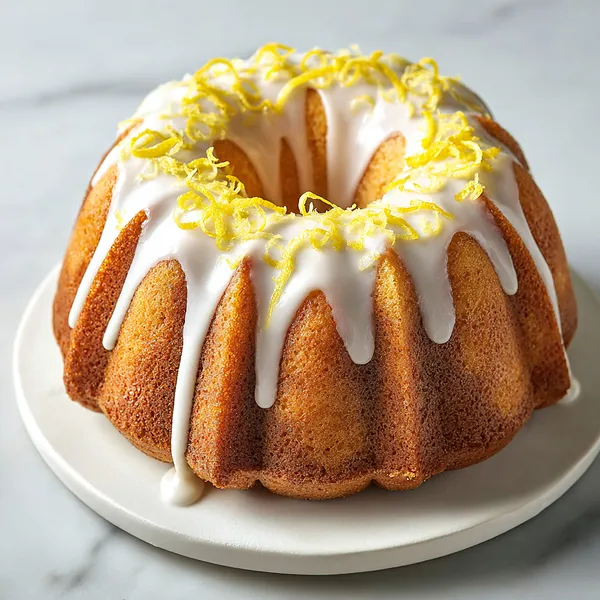
I remember the first time I had a lemon bundt cake — it was at a neighbor's Easter brunch, sitting on a simple white cake stand with glaze still slightly dripping down the fluted sides. I wasn't expecting much, honestly. But that first bite completely rewrote my expectations of what a simple cake could be. The crumb was dense but impossibly soft, the lemon flavor was bright and real — not artificial — and the glaze added this beautiful sweet contrast to the tang. I've been chasing that experience ever since. My version uses sour cream for extra moisture and a generous amount of fresh lemon zest in both the batter and the glaze. The result is a cake that tastes like sunshine in every single bite. It's the kind of dessert that makes a Tuesday feel special, and that's exactly the kind of recipe I want in my life.
Why I love this recipe
I love this Lemon Bundt Cake because it hits that rare sweet spot between effortless and impressive. There's no layering, no complicated decorating — you pour it into a pan, bake it, and finish with a gorgeous glossy glaze. Yet it always looks like you spent hours on it. The flavor is genuinely bright and citrusy without being overwhelming, and the texture is that perfect tender crumb that holds up beautifully for days. It's also incredibly versatile — dress it up for a dinner party or slice it casual for a weekend breakfast. And fresh lemon zest in the batter? That's the non-negotiable secret. It's aromatic, vibrant, and makes the whole kitchen smell incredible while it bakes. This recipe is a keeper for life.
What You Need From Your Kitchen
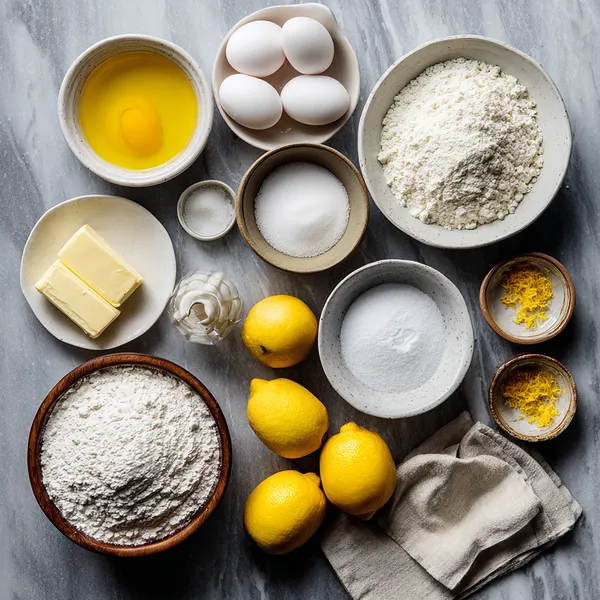
- Fresh Lemons: Zest and juice them for both the batter and the glaze — they are the star flavor of this entire cake
- Unsalted Butter: Soften to room temperature before creaming; it creates the foundation for the cake's rich, tender crumb
- Sour Cream: Adds incredible moisture and a subtle tang that keeps the crumb soft for days
- Eggs: Add them one at a time for the best emulsification and lightest texture
- All-Purpose Flour: Measure carefully using the spoon-and-level method to avoid a dense cake
- Granulated Sugar: Creamed thoroughly with butter to aerate the batter and build structure
- Powdered Sugar: The base of the lemon glaze — sift it first to avoid lumps in your drizzle
Let's Make These Together
- Cream butter and sugar until fluffy
- Using an electric mixer, beat the softened butter and granulated sugar together on medium-high speed for a full 4-5 minutes. You want the mixture to turn noticeably pale and increase in volume — this is where all the light, airy texture comes from, so don't rush this step.
- Add eggs, lemon zest, and juice
- Crack in the eggs one at a time, beating well after each one. Then add your freshly grated lemon zest and fresh-squeezed lemon juice along with the vanilla extract. The batter might look a little broken or curdled — totally fine, it will come together beautifully once the flour goes in.
- Alternate flour and sour cream
- Whisk your flour, baking soda, and salt together in a separate bowl. Then with the mixer on low, add the flour mixture and sour cream alternately to the butter mixture — start and end with the flour. Mix only until just combined; overmixing activates too much gluten and can toughen the cake.
- Fill pan and bake to golden perfection
- Pour the batter into your well-greased bundt pan and use a spatula to smooth the top evenly. Slide it into your preheated 350°F oven and bake for 50-55 minutes. You'll know it's done when a toothpick inserted in the thickest part comes out clean and the kitchen smells absolutely incredible.
- Unmold, glaze, and finish with zest
- Let the cake rest in the pan for exactly 10 minutes, then invert onto a wire rack. Once slightly cooled but still warm, whisk together powdered sugar and fresh lemon juice to make a silky glaze and pour it generously over the top, letting it cascade down the ridges naturally. Finish with a shower of bright lemon zest.
 pin it
Switch Things Up
One afternoon I was craving something citrusy but didn't want a layer cake situation — all that frosting and stacking. I had a bundt pan collecting dust and a bag of lemons on the counter, and something clicked. I zested every single lemon in that bag and threw it all in. When it came out of the oven golden and perfectly shaped, I made the glaze a little thicker than usual and poured it on while the cake was still warm. It soaked in at the edges just enough to make the crust slightly sticky-sweet. I've tweaked the sour cream ratio since then and haven't looked back — it gives the crumb this incredibly tender, almost velvety texture that plain yogurt just can't replicate.
Perfect Pairings
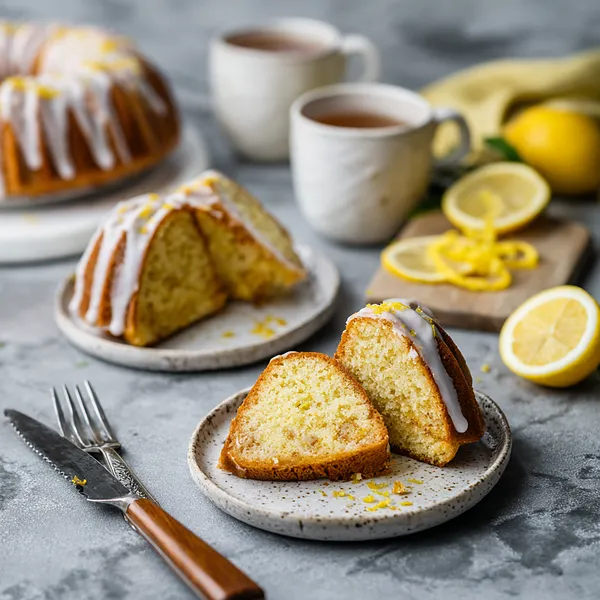
This Lemon Bundt Cake pairs beautifully with a hot cup of Earl Grey or chamomile tea, letting the citrus notes sing. For something more indulgent, serve alongside a scoop of vanilla bean ice cream or a dollop of lightly sweetened whipped cream. A side of fresh mixed berries — raspberries, blueberries, and strawberries — adds a vibrant color contrast and a fruity complement to the lemon. For brunch spreads, it sits perfectly next to a fruit salad and a glass of cold sparkling lemonade.
 pin it
Frequently Asked Questions
- → Can I use a regular cake pan instead of a bundt pan?
You can, but the bundt pan's shape is part of what makes this cake special — the ridged design maximizes the glaze coverage and creates that beautiful presentation. If using a regular round pan, reduce baking time and check for doneness earlier, around 35-40 minutes.
- → Can I make this cake ahead of time?
Absolutely! This cake actually tastes even better the next day once the flavors have had time to meld. Bake it a day ahead, store it covered at room temperature, and add the glaze a few hours before serving for the freshest look.
- → Can I substitute sour cream with something else?
Full-fat Greek yogurt is the best substitute and will give very similar results. You can also use buttermilk, though the batter will be slightly thinner. Avoid low-fat versions as they can affect the cake's moisture and texture.
- → Why did my bundt cake stick to the pan?
This almost always comes down to not greasing the pan thoroughly enough. Make sure to get butter into every single ridge and crevice, then flour the pan as well. Alternatively, use a baking spray that contains flour. Also, waiting the full 10 minutes (but not longer) before unmolding helps significantly.
- → Can I freeze this lemon bundt cake?
Yes! Freeze the unfrosted, fully cooled cake wrapped tightly in plastic wrap and then foil for up to 3 months. Thaw overnight at room temperature and add the glaze fresh before serving. The texture holds up beautifully after freezing.
- → How do I get more intense lemon flavor?
Use a lemon syrup soak in addition to the glaze. While the cake is still hot from the oven, mix equal parts lemon juice and sugar, heat until dissolved, and brush it over the warm cake before it cools. This adds a deeply fragrant lemon punch that goes beyond just the glaze.
Conclusion
This Lemon Bundt Cake is the kind of recipe that earns a permanent spot in your repertoire. The combination of fresh lemon zest, tangy sour cream crumb, and that drizzled glaze makes every slice feel like a celebration. Whether you serve it at a brunch table or as a weeknight treat, it never fails to impress. Simple ingredients, stunning results — that's the magic of a great bundt cake.