
 pin it
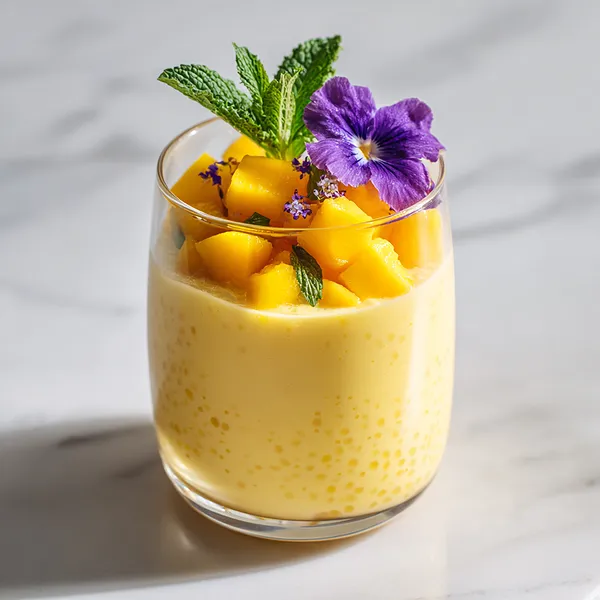
I first had Mango Sago at a small Hong Kong-style dessert cafe tucked into a busy street market. I almost walked past it, honestly — but the golden cups in the window stopped me cold. I went in, ordered one, and sat by the window watching people rush by while I took my first slow spoonful. The texture was unlike anything I expected: smooth mango cream, little chewy pearls popping gently, cool coconut undertones. It was refreshing and rich at the same time. I couldn't believe something this good could exist. I went back the next day and ordered two. By the time I got home, I was already trying to figure out how to recreate it in my kitchen. After a few attempts — adjusting the mango ratio, experimenting with coconut milk versus evaporated milk — I landed on this version, and it tastes just like that cup by the window.
Why I love this recipe
I love Mango Sago because it's the rare dessert that manages to feel both luxurious and effortless. There's no baking, no complicated technique — just good ingredients treated with care. The mango does all the heavy lifting with its natural sweetness and gorgeous color. The sago pearls add this playful, chewy texture that makes every bite interesting. And the coconut milk? It rounds everything out with a gentle richness that never feels heavy. It's the kind of recipe I turn to when I want to impress people without breaking a sweat. It looks like you spent hours on it, but the secret is it practically makes itself.
What You Need From Your Kitchen
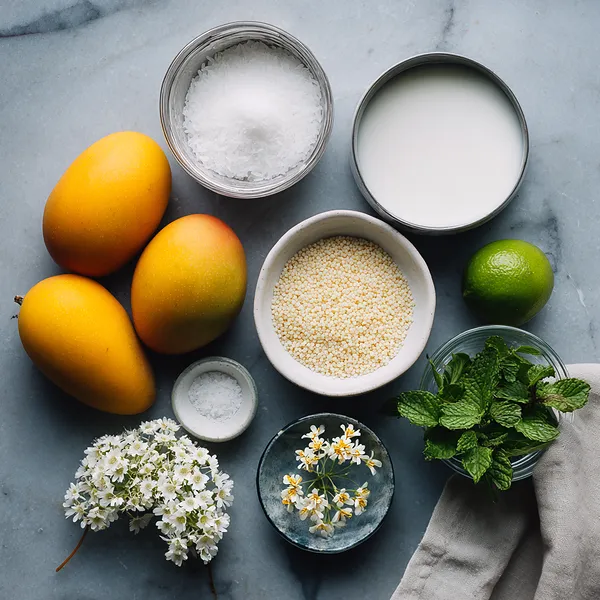
- Ripe Mangoes: Peel, dice, and divide — blend most into the base and reserve some juicy cubes for topping each glass
- Small Sago Pearls: Boil until fully translucent, rinse under cold water, and drain well before folding into the mango base
- Coconut Milk: Use full-fat canned coconut milk for the richest, creamiest result — shake the can well before opening
- Evaporated Milk: Adds a subtle dairy richness and depth that balances the coconut and mango flavors perfectly
- Fresh Lime Juice: Squeeze in just before blending to brighten the mango flavor and cut through the richness
- Fresh Mint: Use as a final garnish — the cool herbal aroma is a beautiful contrast to the sweet tropical base
- Edible Flowers: Optional but stunning — place one bloom on each cup just before serving for a cafe-worthy presentation
Let's Make These Together
- Boil the sago until clear
- Bring a pot of water to a full boil, then pour in your sago pearls and stir right away so they don't stick together. Let them cook for about 10–12 minutes on medium-high heat, giving them an occasional stir. Once they look almost fully translucent, pull the pot off the heat, cover it, and let the pearls finish cooking in the residual steam for another 5 minutes until every single one is clear and glossy.
- Rinse, drain, and set aside
- Immediately drain the sago through a fine mesh strainer and run cold water over them for a couple of minutes. This stops the cooking and washes away the excess starch that would otherwise make everything gluey. Give the strainer a gentle shake and let them drain while you prepare everything else.
- Blend your mango cream base
- Add most of your diced mango into the blender — keep some chunks aside for topping. Pour in the coconut milk, evaporated milk, sugar, lime juice, and vanilla. Blend everything on high until silky smooth. Give it a taste: want it sweeter? Add a pinch more sugar. Need more brightness? A few more drops of lime.
- Fold in the sago pearls
- Pour your gorgeous golden mango cream into a large bowl and add the drained sago pearls. Fold gently with a rubber spatula until the pearls are evenly suspended throughout the mixture. The result should look like a dreamy, dotted golden cream — and yes, it already smells incredible.
- Chill until cold and set
- Cover the bowl and pop it in the fridge for at least 30 minutes — an hour or two is even better. The cold firms everything up slightly and deepens all the flavors. This step is worth the wait, promise.
- Plate, garnish, and serve
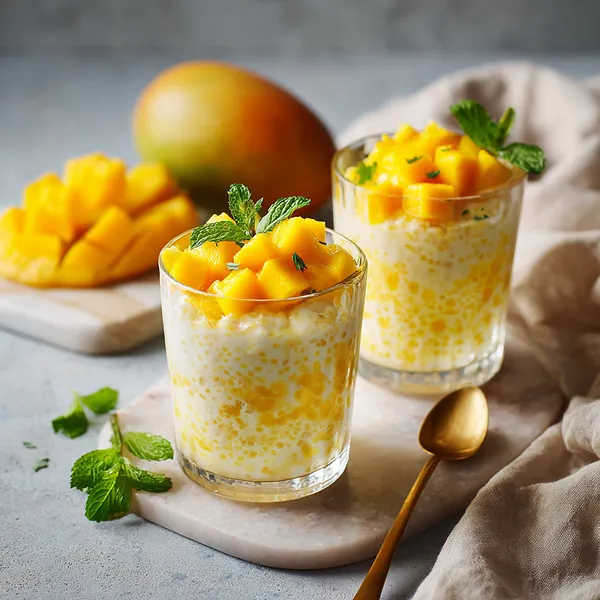
- Spoon the chilled mango sago into clear glasses so everyone can admire those beautiful pearls through the sides. Pile fresh mango cubes on top, add a sprig of mint, and if you're feeling fancy, lay a small edible flower right in the center. Hand it over and watch the reactions.
 pin it
Switch Things Up
I once made this for a summer get-together and literally ran out in ten minutes. I had doubled the batch thinking it would be more than enough, but everyone kept going back for seconds. Now I always make triple — and I add a tiny squeeze of lime right at the end to brighten everything up. Game changer.
Perfect Pairings
Mango Sago pairs beautifully with other Southeast Asian desserts like coconut sticky rice or pandan jelly. For a fuller spread, serve alongside crispy spring rolls or a light jasmine tea. It also works wonderfully as a refreshing finish after a spicy Thai or Vietnamese main course.
 pin it
Frequently Asked Questions
- → Can I use frozen mango instead of fresh?
Yes! Thaw the frozen mango completely and drain any excess liquid before blending. The flavor is still delicious, though fresh ripe mango will always give you the most vibrant color and taste.
- → What type of sago pearls should I use?
Use small white tapioca sago pearls, about 2–3mm in size. They cook faster and have a more delicate texture than large boba pearls. You can find them at Asian grocery stores or online.
- → How long does Mango Sago last in the fridge?
Mango Sago keeps well for up to 2 days in the refrigerator, covered tightly. The sago pearls may absorb some of the liquid over time, so give it a gentle stir and add a splash of coconut milk if needed before serving leftovers.
- → Can I make this recipe dairy-free?
Absolutely. Simply replace the evaporated milk with an equal amount of full-fat coconut milk or any unsweetened plant-based milk. The result will be slightly less rich but still creamy and delicious.
- → My sago pearls are clumping together — what went wrong?
Clumping usually happens when the pearls aren't stirred enough during cooking or when they aren't rinsed properly afterward. Make sure to stir them frequently while boiling and rinse thoroughly under cold running water right after draining.
- → Can I serve Mango Sago warm?
While it's traditionally served cold, you can enjoy it at room temperature if preferred. However, chilling it significantly improves the texture of the sago pearls and makes the dessert far more refreshing, especially in warm weather.
Conclusion
Mango Sago is one of those desserts that feels indulgent yet surprisingly light. The combination of silky mango puree, chewy pearls, and coconut cream is pure tropical magic. It's a crowd-pleaser for any occasion — and once you make it, you'll never stop.