
 pin it
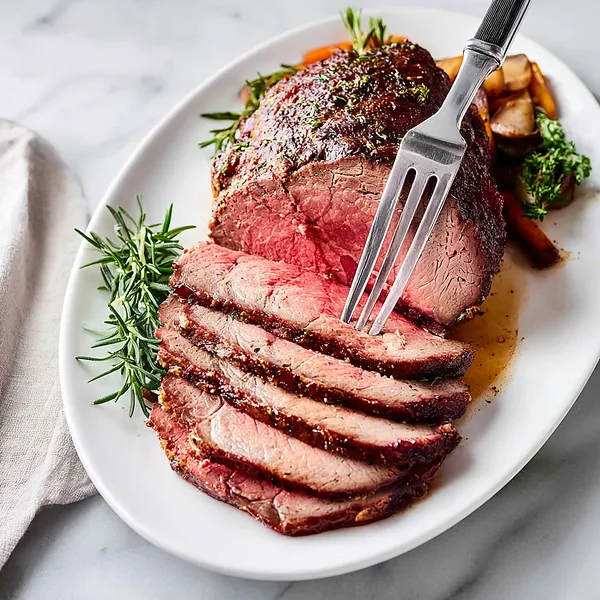
I first encountered a proper Christmas roast beef at a friend's family gathering in the countryside. Walking into their dining room, I saw this glorious roast sitting center stage—golden brown, herb-encrusted, and absolutely magnificent. The host carved it tableside, and I watched in awe as slice after perfect pink slice fell onto the platter. That first bite changed everything I thought I knew about roast beef. It wasn't dry or tough like ones I'd had before; it was tender, flavorful, and seasoned to perfection. The herb crust added this incredible aromatic quality that made each bite special. I went home determined to recreate it. After some trial and error with temperatures and timing, I finally cracked the code. The secret is high heat at the start to create that beautiful crust, then lower heat to cook it through while keeping it juicy. Using a meat thermometer was a game-changer—no more guessing and hoping for the best. Now, this roast is my go-to for any special occasion. The technique is straightforward once you understand the basics, and the results are consistently impressive. Every time I make it, I'm transported back to that first perfect slice.
Why I love this recipe
This roast beef recipe holds a special place in my heart because it represents everything I love about holiday cooking. It's elegant yet approachable, impressive but not intimidating once you know the steps. I love how the simple combination of herbs, garlic, and quality beef creates something so spectacular. The transformation that happens in the oven is magical—watching that raw roast become a golden, aromatic centerpiece never gets old. What I appreciate most is how this recipe makes me look like a culinary genius with relatively minimal effort. The hands-on time is actually quite short; the oven does most of the work. I love that it feeds a crowd, making it perfect for gatherings. The leftovers are a bonus treasure—cold roast beef sandwiches with horseradish and arugula are my favorite next-day lunch. But beyond the food itself, I love how this roast brings people together. There's something about carving a beautiful roast at the table that feels ceremonial and special. It creates a moment that everyone remembers. This recipe has given me confidence in the kitchen and created countless happy memories around the dinner table.
What You Need From Your Kitchen
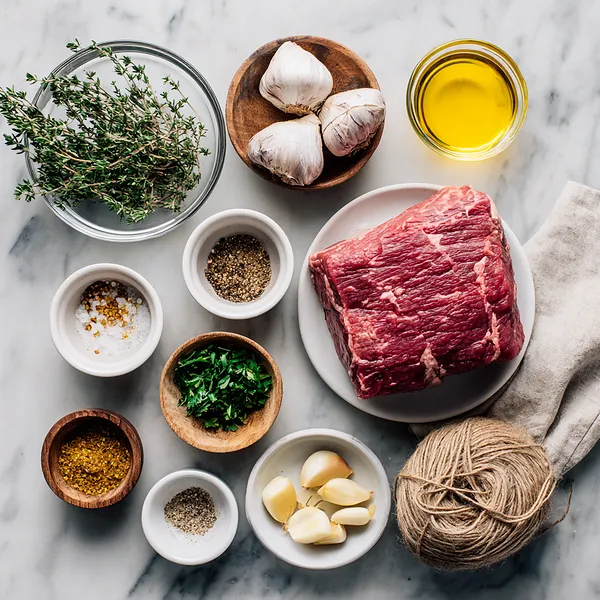
- Beef rib roast: Choose a well-marbled prime or choice grade roast for the best flavor and tenderness
- Fresh garlic: Mince finely and mix into the herb paste for aromatic depth
- Fresh rosemary: Chop finely to release oils and spread evenly over the roast
- Fresh thyme: Strip leaves from stems and incorporate into the herb mixture
- Dijon mustard: Creates a base for herbs to adhere and adds subtle tangy notes
- Beef broth: Pour into pan bottom for basting and to create flavorful pan juices
Let's Make These Together
- Prepare Your Roast
- Start by bringing your beef roast to room temperature, which takes about an hour. This step is crucial because cold meat cooks unevenly. Pat it completely dry with paper towels—any moisture will steam rather than sear, preventing that gorgeous golden crust we're after. Season generously with salt and pepper on all sides.
- Create the Herb Coating
- Mix your minced garlic, chopped rosemary, thyme, olive oil, and Dijon mustard in a small bowl until it forms a fragrant paste. The mustard acts as a binder while adding a subtle tang that complements the beef beautifully. Massage this mixture all over the roast, ensuring every inch is covered. The herbs will create an aromatic crust that's absolutely irresistible.
- Sear at High Heat
- Place your prepared roast on a rack in your roasting pan and pour beef broth into the bottom. Start with a hot 450°F oven for the first 15 minutes. This initial blast of heat sears the outside, creating a caramelized crust that locks in all those precious juices. You'll hear it sizzle and smell the herbs toasting—that's exactly what you want.
- Slow and Steady Roasting
- Reduce your oven temperature to 325°F and continue roasting. This gentler heat cooks the roast through without drying it out. Baste every 20 minutes with the pan juices—this keeps the surface moist and builds flavor. Use your meat thermometer to check for doneness, pulling it out at 125-130°F for perfect medium-rare.
- Rest Before Carving
- This is where patience pays off. Tent your roast loosely with foil and let it rest for at least 20 minutes. The juices redistribute, the temperature evens out, and when you finally slice into it, you'll see that perfect pink center with no juice loss. Carve against the grain in neat slices and watch everyone's faces light up.
 pin it
Switch Things Up
I'll never forget the first time I made this roast for Christmas dinner. I was nervous—it was my turn to host, and I wanted everything perfect. As the beef cooked, the house filled with the most incredible aroma of herbs and garlic. My grandmother walked in and said it smelled just like the roasts her mother used to make. When I sliced into it and saw that perfect pink center, I knew I'd nailed it. My uncle, who's notoriously picky about beef, went back for thirds. Now, five years later, this has become my signature dish. Everyone expects it, requests it, and I'm honestly proud to make it every single time. The leftovers (when there are any) make the most incredible sandwiches the next day—though they rarely survive that long in my house.
Perfect Pairings
This magnificent roast beef pairs beautifully with classic Yorkshire puddings that soak up all those delicious pan juices. Creamy horseradish sauce is absolutely essential—it cuts through the richness perfectly. Roasted root vegetables like carrots, parsnips, and baby potatoes add color and complement the beef's hearty flavor. A robust red wine gravy made from the pan drippings elevates everything to restaurant quality. For vegetables, consider roasted Brussels sprouts with bacon or green beans almondine. Don't forget a crisp green salad with a tangy vinaigrette to balance the richness. And of course, a full-bodied red wine like Cabernet Sauvignon or Merlot is the perfect beverage pairing.
 pin it
Frequently Asked Questions
- → How do I know when the roast is done?
Use a meat thermometer inserted into the thickest part of the roast. For medium-rare, remove it at 125-130°F; it will rise to 135°F after resting. For medium, pull it at 135-140°F. Remember, the meat continues cooking as it rests, so always remove it slightly before your target temperature.
- → Why is resting the meat so important?
Resting allows the juices to redistribute throughout the meat. If you cut into it immediately, all those flavorful juices will run out onto the cutting board instead of staying in the meat. A 20-30 minute rest ensures every slice is juicy and tender.
- → Can I use dried herbs instead of fresh?
While fresh herbs are preferred for their vibrant flavor and moisture, you can use dried herbs in a pinch. Use about 1/3 the amount of dried herbs since they're more concentrated. Mix them with extra olive oil to help them stick to the meat.
- → What if I don't have a roasting rack?
You can create a makeshift rack using vegetables—arrange thick slices of onions, carrots, and celery on the bottom of your pan and place the roast on top. This elevates the meat while adding flavor to your pan juices. The vegetables become deliciously caramelized and can be served alongside.
- → How do I make gravy from the drippings?
After removing the roast, pour the pan drippings into a separator or skim off excess fat. Place the pan over two burners on medium heat, add 2 tablespoons of flour, and whisk constantly for 2 minutes. Gradually add 2 cups of beef broth while whisking, then add back the drippings. Simmer until thickened, about 5 minutes, and season to taste.
- → Can I prepare this roast ahead of time?
You can prepare the herb paste and rub it on the roast up to 24 hours in advance. Wrap it tightly and refrigerate. Remember to bring it to room temperature for an hour before roasting. This actually enhances the flavor as the herbs have more time to penetrate the meat.
- → What's the best cut of beef for roasting?
A bone-in rib roast (also called prime rib) is ideal for its marbling and flavor. A boneless ribeye roast works wonderfully too. Look for well-marbled meat with a nice fat cap on top—this bastes the meat naturally as it cooks. Choose USDA Prime or Choice grade for best results.
Conclusion
This Christmas roast beef is more than just a meal—it's a tradition in the making. The herb crust creates an incredible depth of flavor while keeping the interior tender and juicy. Whether you're serving it for Christmas dinner or any special occasion, this roast delivers restaurant-quality results at home. The key is letting the meat rest properly after cooking, which ensures every slice is perfectly juicy. Pair it with your favorite sides, and you've got a feast worthy of celebration.