
 pin it
I first encountered crème brûlée at a small bistro in Paris during a college trip, and I was absolutely mesmerized by it. The waiter brought it to the table still warm from the torch, and I remember being almost afraid to crack through that perfect sugar shell. But when I did, and tasted that incredible vanilla custard underneath, I was hooked for life. This recipe is my attempt to recreate that magical moment in my own kitchen, and honestly, I think I've come pretty close. The key is using real vanilla bean – you can see those tiny black specks throughout the custard, and the flavor is just incomparable to extract alone. I love how this dessert is all about technique and timing rather than complicated ingredients. The water bath ensures even, gentle cooking so your custard sets perfectly without any bubbles or curdling. And that final torching step? It never gets old. There's something deeply satisfying about transforming plain sugar into a glassy, crackling masterpiece. Every time I make this, I'm transported back to that little Parisian bistro, and I love that I can share that experience with friends and family now.
Why I love this recipe
What I love most about this crème brûlée recipe is how it manages to be both impressive and achievable at the same time. It's one of those desserts that makes people think you're some kind of culinary genius, but the reality is that it's quite forgiving if you follow the steps carefully. I love the ritual of making it – from scraping the vanilla bean seeds to carefully pouring the custard into ramekins, every step feels special and intentional. The overnight chilling time builds anticipation, and then you get that final dramatic moment with the kitchen torch. I also appreciate how versatile this base recipe is – once you master the classic version, you can experiment with endless flavor variations. But beyond the technique and the flavors, I love what this dessert represents: taking time to create something beautiful and delicious, the French art of savoring simple pleasures, and the joy of sharing something you've made with your own hands. It's a dessert that demands your full attention, both in the making and in the eating, and in our rushed world, I find that incredibly valuable. Plus, let's be honest – there's something incredibly empowering about owning a kitchen torch and knowing exactly how to use it!
What You Need From Your Kitchen
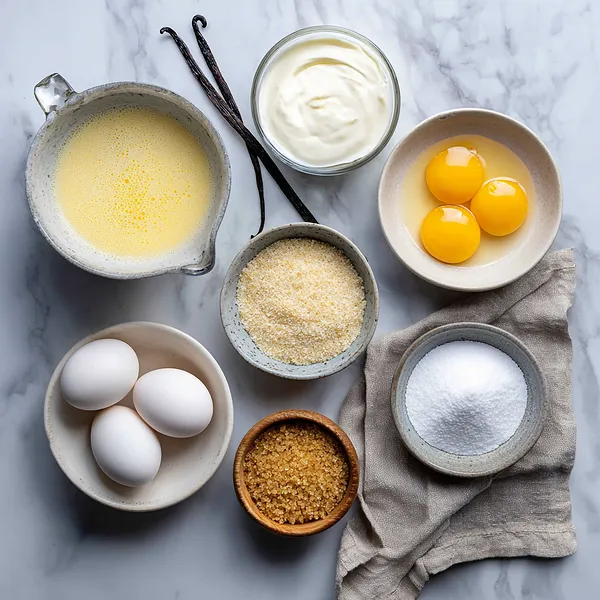
- Heavy cream: Heat with vanilla until just simmering, then steep for 15 minutes to infuse the vanilla flavor
- Vanilla bean: Split lengthwise and scrape out seeds, then steep the pod and seeds in the cream for maximum flavor
- Egg yolks: Whisk with granulated sugar until pale and thick, then temper with the warm cream mixture
- Granulated sugar: Whisk with egg yolks to create the sweet custard base
- Turbinado sugar: Sprinkle evenly over chilled custards and torch until caramelized into a crispy shell
- Fresh raspberries: Use as a bright, tart garnish on top of the finished crème brûlée
Let's Make These Together
- Infuse the Cream
- Start by preheating your oven to 325°F. Split your vanilla bean and scrape out those precious seeds – this is where all the magic happens! Heat the cream with the vanilla pod and seeds in a saucepan over medium heat until it just starts to bubble around the edges. Remove it from heat and let it steep for 15 minutes so the vanilla flavor really develops. This step is crucial for that authentic French vanilla taste.
- Create Custard Base
- While the cream is steeping, whisk together your egg yolks and granulated sugar in a large bowl until the mixture turns pale yellow and slightly thick. This usually takes 2-3 minutes of good whisking. When your cream is ready, slowly pour it into the egg mixture while whisking constantly – this is called tempering, and it prevents your eggs from scrambling. Take your time with this step! Once combined, strain the mixture through a fine-mesh sieve to ensure the smoothest possible custard.
- Water Bath Baking
- Arrange your ramekins in a large baking dish and pour the custard mixture evenly into each one, filling them about three-quarters full. Now here's the key to perfectly cooked custard: the water bath. Carefully pour hot water into the baking dish until it comes halfway up the sides of the ramekins. This gentle, even heat prevents the edges from overcooking while the centers set. Bake for 40-45 minutes until the custards are set around the edges but still have a slight jiggle in the center – they'll firm up more as they cool.
- Chill and Caramelize
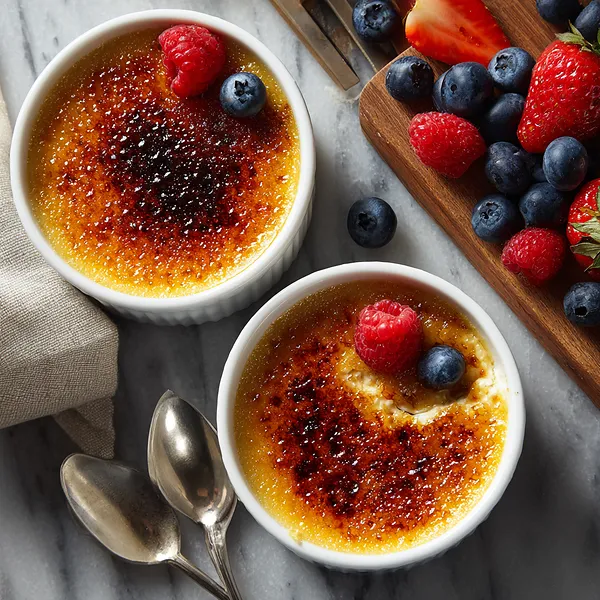
- Remove the ramekins from the water bath and let them cool to room temperature before refrigerating for at least 4 hours, though overnight is even better. When you're ready to serve, pat the tops dry if there's any condensation, then sprinkle turbinado sugar evenly over each custard. Fire up your kitchen torch and caramelize that sugar in circular motions until it's a beautiful deep amber color. Let it harden for a minute or two, then crown your creation with fresh raspberries and mint. That first crack through the sugar crust is pure satisfaction!
 pin it
Switch Things Up
I'll never forget the first time I successfully made crème brûlée at home. I was terrified of messing it up because it always seemed so fancy and delicate. But when I pulled those ramekins out of the water bath and they had that perfect jiggle, I knew I'd nailed it. The real fun came later when I got to torch the sugar – my partner thought I was going to set off the smoke alarm! Now it's become my go-to dessert for special occasions. Last month, I made it for my best friend's birthday dinner, and she literally closed her eyes and sighed after the first bite. That's the power of a perfectly executed crème brûlée. I've experimented with different flavors – lavender, coffee, even orange zest – but honestly, there's something timeless about the classic vanilla version that keeps me coming back.
Perfect Pairings
This Classic Crème Brûlée pairs beautifully with a cup of strong espresso or French press coffee to cut through the richness. For a more indulgent pairing, try it alongside a glass of sweet dessert wine like Sauternes or late-harvest Riesling. The fresh raspberries on top already provide a lovely contrast, but you could also serve it with a small bowl of mixed berries on the side. If you're serving this as part of a full French meal, it's the perfect ending after a light main course like herb-roasted chicken or pan-seared fish. A small butter cookie or delicate madeleine on the side adds a nice textural element without overwhelming the star of the show.
 pin it
Frequently Asked Questions
- → Can I make crème brûlée without a kitchen torch?
Yes! While a kitchen torch gives the best results, you can use your oven's broiler setting. Place the ramekins on a baking sheet about 2-3 inches from the heat source and broil for 1-2 minutes, watching very carefully to prevent burning. The sugar won't caramelize quite as evenly, but it still works in a pinch.
- → How do I know when the custard is done baking?
The custard is perfectly done when the edges are set and firm, but the center still has a slight jiggle when you gently shake the ramekin – think of it like jello. It should not be liquid in the center, but it shouldn't be completely solid either. The custard will continue to set as it cools, so slightly underdone is better than overdone.
- → Can I use vanilla extract instead of vanilla bean?
Absolutely! If you don't have vanilla beans, use 2 teaspoons of high-quality pure vanilla extract. Add it to the cream mixture after you remove it from the heat rather than heating it with the cream. The flavor won't be quite as intense, but it will still be delicious.
- → How far in advance can I make crème brûlée?
You can make the custards up to 3 days ahead and store them covered in the refrigerator. However, you should only caramelize the sugar topping just before serving – if you do it too early, the sugar will absorb moisture from the custard and lose its crispy texture.
- → Why do I need to use a water bath?
The water bath (also called a bain-marie) provides gentle, even heat that prevents the delicate custard from curdling or developing an eggy texture. It also helps the custards cook evenly from edge to center, giving you that perfect creamy consistency throughout. Don't skip this step!
- → What's the best type of sugar for the caramelized topping?
Turbinado sugar (also called raw sugar) is ideal because it has larger crystals that caramelize beautifully and create a thicker, crunchier crust. Regular granulated sugar works too, but the crust will be thinner. Avoid powdered sugar as it won't caramelize properly.
Conclusion
This Classic Crème Brûlée is the ultimate show-stopping dessert that proves elegance doesn't have to be complicated. With just a handful of quality ingredients and a little patience, you'll create a French masterpiece that rivals any fancy restaurant. The contrast between the crackling caramelized sugar and the smooth, creamy custard is what dessert dreams are made of. Whether you're impressing dinner guests or treating yourself to something special, this recipe delivers every single time.