
 pin it
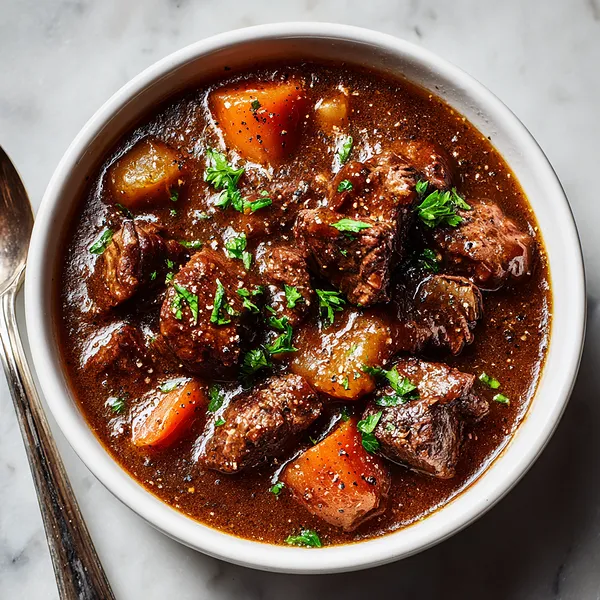
I first encountered this classic beef stew at my grandmother's farmhouse when I was about ten years old. It was a Sunday afternoon, and she had this massive pot simmering on her old cast iron stove. The aroma was intoxicating – a blend of caramelized beef, sweet carrots, and aromatic herbs that made my stomach growl with anticipation. When she finally ladled it into deep bowls, I remember thinking it looked like a painting with all those rich browns and vibrant orange carrots. That first bite was a revelation – the beef was so tender it melted on my tongue, and the gravy had this deep, complex flavor that I'd never experienced before. She told me the secret was patience and quality ingredients. Over the years, I've refined her recipe, but the essence remains the same: good beef, fresh vegetables, and the willingness to let it cook low and slow. This isn't just food; it's a hug in a bowl, a remedy for cold days, and a reminder that the best meals are often the simplest ones made with love and time.
Why I love this recipe
What I love most about this beef stew is its incredible versatility and reliability. It's one of those rare recipes that impresses guests while being simple enough for a weeknight dinner. The transformation that happens during cooking is almost magical – tough beef becomes melt-in-your-mouth tender, ordinary vegetables turn sweet and flavorful, and simple broth evolves into a rich, velvety gravy. I love that it's essentially a one-pot meal, which means less cleanup and more time to enjoy with family. The aroma that fills your home while it cooks is worth making it for that alone. But beyond the practical aspects, this stew represents comfort and tradition. It's the kind of dish that brings people together, sparks conversations, and creates memories. Every time I make it, I'm reminded of why home cooking matters – it's not just about sustenance, but about creating moments of warmth and connection. Plus, leftovers taste even better, making it perfect for meal prep.
What You Need From Your Kitchen
- Beef Chuck: Cut into 1.5-inch cubes, patted dry, and seasoned before browning
- Carrots: Peel and cut into 1-inch chunks for even cooking
- Potatoes: Peel and quarter, adding them in the last hour of cooking
- Onion: Dice finely to create a flavorful base for the stew
- Beef Broth: Use high-quality broth for the richest flavor
- Tomato Paste: Adds depth and helps thicken the gravy
Let's Make These Together
- Prepare the Beef
- Start by cutting your beef chuck into uniform 1.5-inch cubes, which ensures even cooking. Pat them completely dry with paper towels – this crucial step allows for proper browning. Season generously with salt and pepper, then heat your Dutch oven until it's nice and hot before adding oil. Brown the beef in small batches, resisting the urge to move them around too much. Let each side develop a deep, caramelized crust before turning. This browning process creates complex flavors that form the foundation of your stew.
- Build Flavor Layers
- Once all the beef is browned and set aside, use the same pot to cook your aromatics. The onions and celery will soften in the flavorful fond left behind from the beef. Stir frequently to scrape up those delicious browned bits stuck to the bottom – that's pure flavor gold. When the garlic goes in, your kitchen will smell absolutely incredible. The flour coating at this stage creates a roux that will naturally thicken your stew as it cooks, giving you that perfect, velvety consistency.
- Simmer to Perfection
- This is where patience pays off. As the stew simmers gently, the tough connective tissues in the beef break down into gelatin, creating that melt-in-your-mouth texture. The low, steady heat allows all the flavors to meld together beautifully. After the first hour, when you add the vegetables, they'll cook in this incredibly flavorful liquid, absorbing all those wonderful tastes while contributing their own sweetness and earthiness to the pot.
- Final Touches
- In the last stages of cooking, check your vegetables with a fork – they should be tender but still hold their shape. Remove those bay leaves, taste the gravy, and adjust the seasoning. This is your moment to make it perfect. If you want a thicker consistency, just let it simmer uncovered for a bit longer. That fresh parsley at the end isn't just for looks – it adds a bright, fresh note that balances all those rich, deep flavors beautifully.
 pin it
Switch Things Up
I remember making this stew on a particularly cold winter evening when I had friends coming over. I'd started it in the afternoon, and by the time they arrived, the entire house smelled like a cozy restaurant. What I love most is how forgiving this recipe is – I've made it dozens of times, sometimes adding mushrooms when I have them, other times throwing in parsnips or turnips. Once, I accidentally added too much wine (oops!), and it still turned out incredible. The key moment is when you first taste that gravy after it's been simmering for hours – it's transformed from simple broth into liquid gold. My favorite trick? I always make extra because this stew actually tastes better on day two when the flavors have had even more time to develop. Last time, I portioned the leftovers into containers and had the most amazing lunches all week.
Perfect Pairings
This beef stew pairs beautifully with crusty French bread or warm dinner rolls for soaking up that delicious gravy. For a complete meal, serve it alongside a crisp green salad with a light vinaigrette to balance the richness. A glass of full-bodied red wine like Cabernet Sauvignon or Merlot complements the deep, savory flavors perfectly. For a more casual pairing, try it with buttered egg noodles or creamy mashed potatoes. If you want to add some brightness, top individual bowls with a dollop of sour cream and extra fresh herbs.
 pin it
Frequently Asked Questions
- → Can I make this beef stew in a slow cooker?
Absolutely! After browning the beef and sautéing the vegetables on the stovetop, transfer everything to your slow cooker. Cook on low for 7-8 hours or on high for 4-5 hours. Add the potatoes and carrots during the last 2-3 hours of cooking to prevent them from becoming too soft.
- → What's the best cut of beef for stew?
Chuck roast is ideal because it has the perfect amount of marbling and connective tissue that breaks down during slow cooking, resulting in tender, flavorful meat. Other good options include bottom round or brisket, though chuck remains the most popular choice for traditional beef stew.
- → How do I store and reheat leftovers?
Store leftover stew in an airtight container in the refrigerator for up to 4 days, or freeze for up to 3 months. To reheat, warm gently on the stovetop over medium-low heat, stirring occasionally and adding a splash of broth if needed to thin the gravy. You can also microwave individual portions, stirring halfway through.
- → Can I add wine to this recipe?
Yes! For extra depth of flavor, you can add 1 cup of red wine (like Cabernet or Merlot) after browning the beef. Let it simmer for a few minutes to cook off the alcohol before adding the broth. The wine adds complexity and richness to the gravy.
- → Why is my stew meat tough?
Beef stew requires low, slow cooking to break down the tough connective tissues. If your meat is still tough, it simply needs more cooking time. Continue simmering until the beef is fork-tender. Also, make sure you're using a cut like chuck roast rather than lean cuts, which can dry out during long cooking.
- → How can I thicken my beef stew gravy?
If your gravy is too thin, you have several options: simmer uncovered for 15-20 minutes to reduce the liquid, create a slurry with cornstarch and water and stir it in, or mash a few of the potato pieces against the side of the pot to naturally thicken the gravy.
Conclusion
This Old-Fashioned Beef Stew is the ultimate comfort food that brings warmth to any table. With its tender beef, perfectly cooked vegetables, and rich savory gravy, it's a complete meal in one pot. The slow cooking process allows all the flavors to meld together beautifully, creating a dish that tastes even better the next day. Whether you're feeding a hungry family or meal prepping for the week, this stew delivers satisfaction in every spoonful. Serve it with crusty bread or over mashed potatoes for an extra hearty meal.