
 pin it
I first encountered truly homemade pasta during a trip to a small village in Tuscany, where I watched an elderly woman make it with such ease and grace that it looked like a dance. She used no measurements, just the wisdom of decades of practice, creating a well in the flour and cracking eggs into the center with one hand. That experience stayed with me, and when I returned home, I was determined to recreate that magic in my own kitchen. This recipe is my adaptation of what I learned that day – it's designed to be approachable for home cooks while still honoring that traditional technique. The key is in the kneading; you want to work the dough until it's completely smooth and springs back when you poke it. Rolling it out by hand does take some elbow grease, but there's something deeply satisfying about the process. You'll know you've rolled it thin enough when you can almost see your hand through it. Cutting the pasta into ribbons is my favorite part – I like to make fettuccine because the wider noodles are forgiving and showcase the pasta's texture beautifully. When you drop these fresh noodles into boiling water and watch them cook in just minutes, you'll understand why fresh pasta is considered such a treasure in Italian cuisine. The taste is delicate, slightly eggy, and has a tender bite that dried pasta simply cannot match.
Why I love this recipe
There's something incredibly special about making pasta by hand that goes beyond just the final dish on the plate. I love this recipe because it slows me down and makes me present in the kitchen in a way that few other cooking projects do. You can't rush the kneading process, you can't take shortcuts with the rolling – it demands your attention and rewards your patience with something truly beautiful. Every time I make it, I feel connected to generations of Italian cooks who've done the exact same thing, using the exact same simple ingredients. I also love how adaptable this recipe is – once you master the basic dough, you can cut it into any shape you like, add herbs or spinach to the dough itself, or experiment with different flours. But perhaps what I love most is the reaction I get when I serve it. There's a moment of surprise when people realize it's homemade, followed by genuine delight at the taste and texture. It's a dish that impresses without being fussy, that feels elegant but is made from the most humble ingredients. And honestly, there's a deep satisfaction in creating something so essential and nourishing entirely from scratch. In our world of convenience foods and shortcuts, taking the time to make pasta by hand feels like a small act of rebellion – a declaration that some things are worth doing the slow, traditional way.
What You Need From Your Kitchen
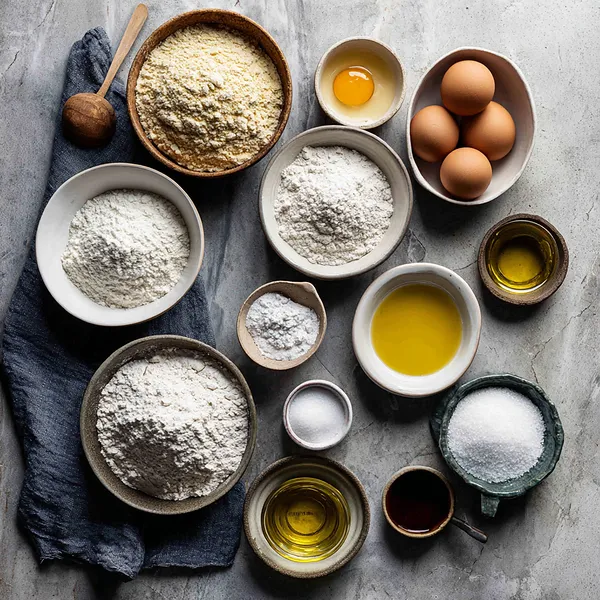
- All-purpose flour: Forms the base structure of the pasta dough; use high-quality flour for best results
- Large eggs: Provide richness, color, and binding; use room temperature eggs for easier incorporation
- Olive oil: Adds subtle flavor and helps create a silky texture in the dough
- Fresh Parmesan cheese: Grate just before serving for maximum flavor and aroma
- Fresh parsley: Chop finely and use as a bright, fresh garnish
Let's Make These Together
- Create the flour well
- Start by mounding your flour on a clean work surface and using your fingers to create a wide, deep well in the center. The walls of the well should be sturdy enough to hold the eggs without breaking through. This traditional method allows you to control how much flour is incorporated into the eggs, giving you better control over the dough's consistency.
- Mix eggs into flour
- Crack the eggs directly into the well, add your olive oil and salt, then use a fork to beat the eggs gently. Begin pulling in flour from the inner edges of the well little by little, mixing continuously. Work slowly and deliberately – if you break through the wall and eggs spill everywhere, just gather everything back together and continue. The mixture will gradually thicken from a liquid to a thick paste.
- Knead until smooth
- Once the mixture is too thick to stir, abandon the fork and use your hands to bring it all together. At first, the dough will feel rough and shaggy, but don't be discouraged. Begin kneading by pushing the dough away from you with the heel of your hand, then folding it back over itself and giving it a quarter turn. Repeat this motion rhythmically for 8-10 minutes. You'll notice the texture transforming – it becomes smoother, more elastic, and increasingly satisfying to work with. The final dough should feel silky and spring back when you poke it.
- Rest and relax the gluten
- Wrap your beautiful ball of dough tightly in plastic wrap and let it rest at room temperature for at least 30 minutes. This resting period is not optional – it allows the gluten strands that developed during kneading to relax, which makes rolling out the dough infinitely easier. Without this rest, the dough will constantly shrink back and fight you every step of the way.
- Roll paper-thin
- Divide your rested dough into manageable pieces and work with one at a time, keeping the others covered. Dust your work surface lightly with flour and begin rolling from the center outward, rotating the dough frequently. Apply steady, even pressure and keep rolling until the dough is thin enough that you can almost see your hand through it. This takes patience and a bit of arm strength, but the results are worth it.
- Cut into ribbons
- Lightly flour your thin pasta sheet, then loosely roll it up like a scroll. Using a sharp knife, slice through the roll to create ribbons of your desired width. Immediately unroll the cut pasta and toss it gently with a bit of flour to prevent the strands from sticking together. Admire your handiwork – you just made pasta!
- Cook to perfection
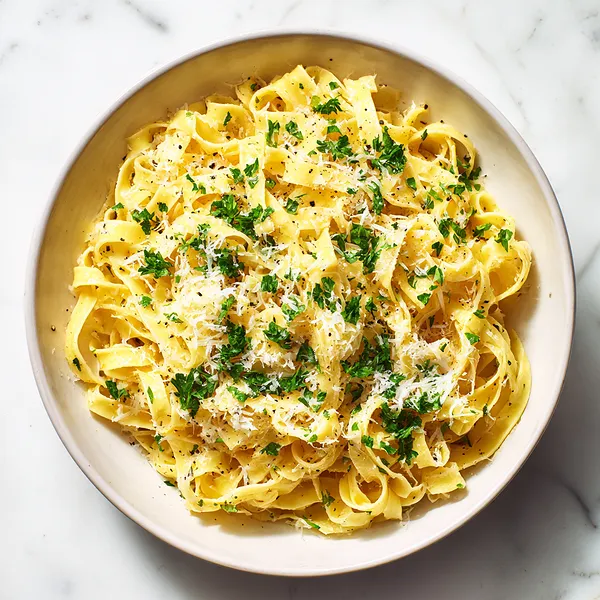
- Bring a large pot of generously salted water to a vigorous boil. Add your fresh pasta and stir gently to separate the strands. Fresh pasta cooks incredibly quickly – usually just 2-3 minutes. You'll know it's done when it floats to the surface and tastes tender with just a slight resistance when you bite into it. Drain immediately and serve with your chosen sauce, a generous snowfall of Parmesan, and a sprinkle of fresh parsley.
 pin it
Switch Things Up
The first time I made pasta by hand, I was honestly a bit skeptical. I'd always assumed you needed one of those fancy pasta machines to get it right. But one rainy Sunday afternoon, I decided to give it a shot with just a rolling pin and a lot of determination. The dough felt rough and shaggy at first, and I thought I'd messed it up. But as I kept kneading, something magical happened – it transformed into this smooth, silky ball that was incredibly satisfying to work with. Rolling it out was a bit of an arm workout, I won't lie, but watching those thin sheets form was mesmerizing. When I cut my first batch of fettuccine and held up those golden ribbons, I felt like a real Italian nonna. The best part was cooking them – they only took about 2 minutes in boiling water, and when I tasted that first bite tossed with just butter and Parmesan, I was hooked. Now I make fresh pasta at least once a month, and every time I do, I remember that rainy afternoon when I discovered that the best tools in the kitchen are sometimes just your own two hands.
Perfect Pairings
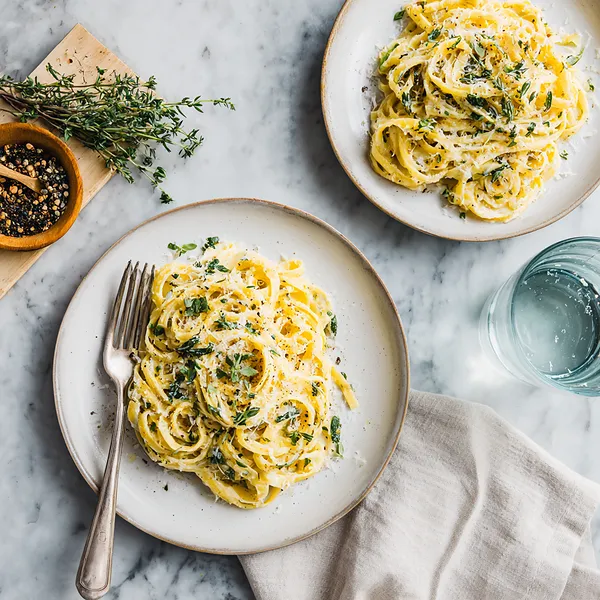
Fresh homemade pasta is incredibly versatile and pairs beautifully with a variety of sauces and accompaniments. For a classic approach, toss it with a simple brown butter and sage sauce, letting the pasta's delicate flavor shine through. It's also perfect with a rich Bolognese or carbonara – the tender noodles soak up creamy sauces wonderfully. For a lighter option, try it with fresh cherry tomatoes, basil, and garlic sautéed in olive oil. Don't forget a generous shower of freshly grated Parmesan or Pecorino Romano cheese. Pair your pasta with a crisp green salad dressed in balsamic vinaigrette, some crusty Italian bread for sopping up any extra sauce, and a glass of Chianti or Pinot Grigio. For dessert, consider a light panna cotta or tiramisu to complete your Italian feast.
 pin it
Frequently Asked Questions
- → Can I make pasta dough without eggs?
Yes, you can make eggless pasta using just flour and water, though the texture and flavor will be different. Use about 2 cups flour with 1/2 to 3/4 cup warm water, adjusting as needed to achieve a smooth dough. This type of pasta is common in southern Italian cuisine and works wonderfully with robust sauces.
- → How thin should I roll the pasta dough?
For fettuccine and most ribbon pastas, aim for about 1/16 inch thickness – thin enough that you can almost see your hand through it when held up to light. The pasta will puff up slightly when cooked, so rolling it thin ensures a delicate, tender texture. If you're making filled pasta like ravioli, you can go even thinner.
- → Can I freeze homemade fresh pasta?
Absolutely! Fresh pasta freezes beautifully. After cutting, arrange the pasta in single-layer portions on a baking sheet dusted with flour and freeze until solid, then transfer to freezer bags. Frozen pasta can be cooked directly from frozen – just add an extra minute to the cooking time. It will keep for up to 2 months in the freezer.
- → Why is my pasta dough too sticky or too dry?
Flour absorption can vary based on humidity, egg size, and flour type. If your dough is sticky, add flour one tablespoon at a time while kneading. If it's dry and crumbly, wet your hands with water and continue kneading, or add water a teaspoon at a time. The perfect dough should feel soft and pliable, similar to Play-Doh, and shouldn't stick to your hands or the work surface.
- → Do I need a pasta machine to make good homemade pasta?
Not at all! While a pasta machine makes rolling easier and more consistent, you can achieve excellent results with just a rolling pin and some elbow grease. The key is patience and practice. Your first few attempts might not be perfectly uniform, but the taste will still be incredible. Many traditional Italian cooks make pasta entirely by hand and consider it the superior method.
- → How do I know when fresh pasta is properly cooked?
Fresh pasta cooks much faster than dried pasta – usually in just 2-3 minutes. Watch for the pasta to float to the surface of the boiling water, which is a good indicator it's nearly done. The best test is to taste it; properly cooked fresh pasta should be tender throughout with just a slight resistance when you bite into it (al dente). Unlike dried pasta, fresh pasta won't have a chalky center when undercooked.
Conclusion
Making homemade pasta without a machine is truly a rewarding experience that connects you to centuries of Italian culinary tradition. The process might seem intimidating at first, but once you get the feel for the dough, it becomes second nature. The texture and flavor of fresh pasta are incomparable to dried varieties, and your family will absolutely taste the difference. This recipe proves that you don't need expensive equipment to create restaurant-quality pasta at home. Serve it simply with butter and Parmesan, or dress it up with your favorite sauce – either way, you'll be amazed at what you've created with just your hands and a few basic ingredients.